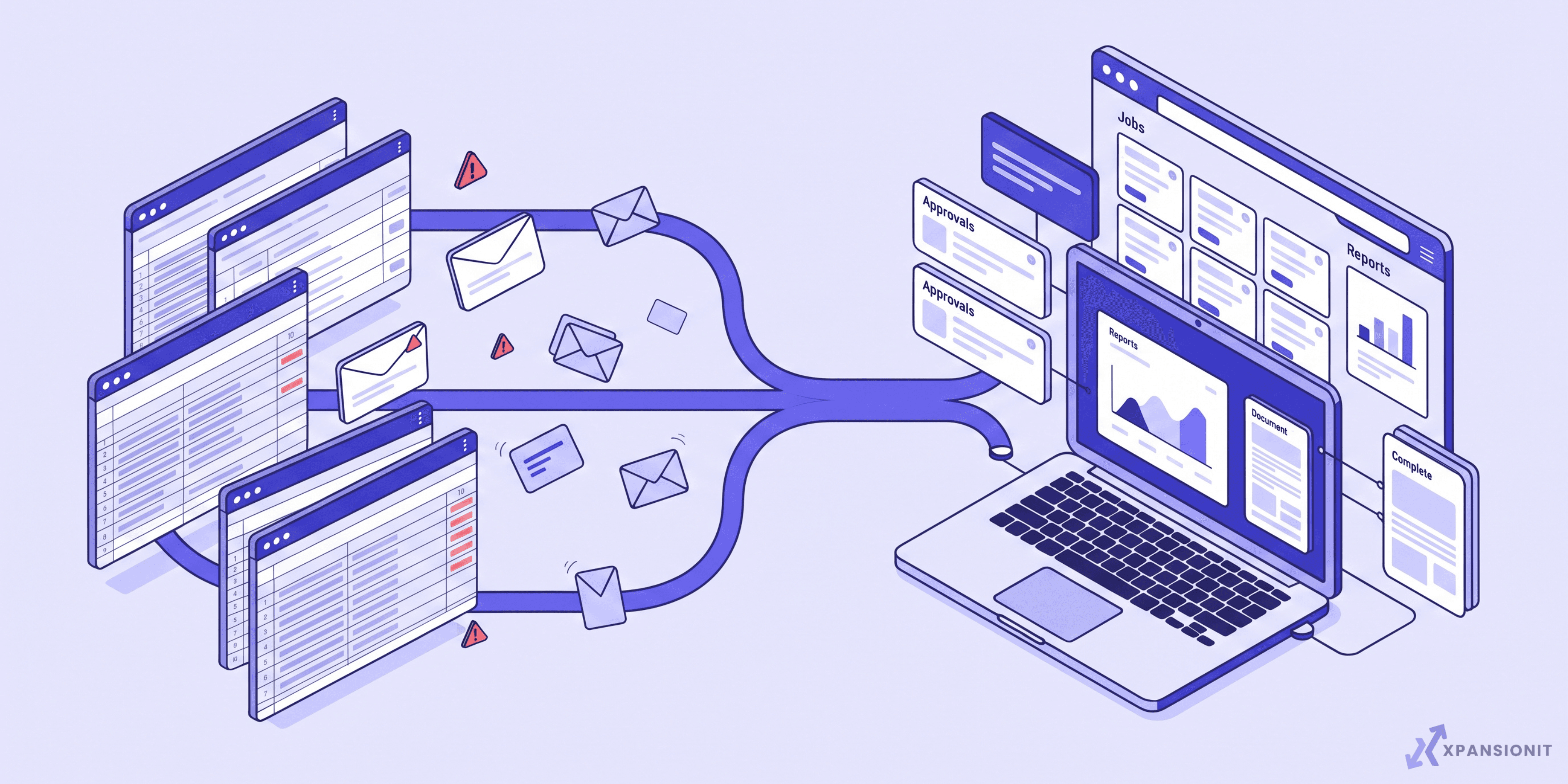
A chatbot answers one question and stops. AI agents do not stop. Give one a goal and it will work through the steps to reach it: read the data, decide what to do next, use the right tool, and finish the task while a person checks the result. That shift is why every software vendor is talking about them, and why Australian businesses are right to ask what they should actually hand over.
The honest answer is that AI agents are very good at some jobs and a poor fit for others. This guide covers what they are, what to automate first, what to leave alone for now, and how to start without taking on risk you cannot see.
What AI agents actually are
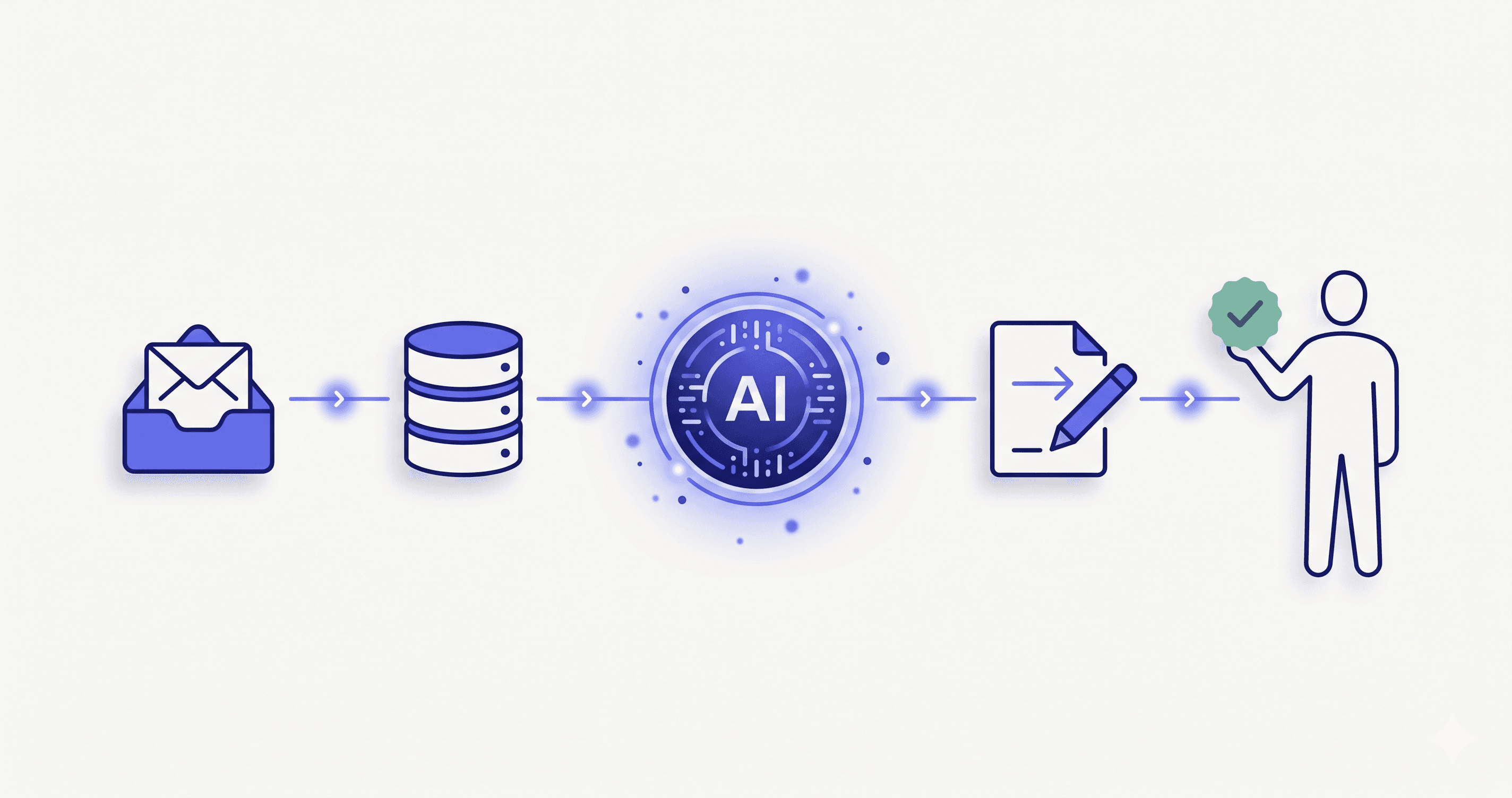
An AI agent is a system built around a model that can take a goal and carry out a multi step task, rather than reply to a single prompt. The difference is the steps. A chatbot gives you an answer. An agent reads a customer email, looks up the order in your system, drafts a reply, updates the record, and flags anything it is unsure about for a person to approve.
The agent does not run on guesswork. It is connected to your data and your tools, given clear limits on what it can touch, and watched the whole time. This is the work behind workflow automation, and it sits on top of the same AI integration that connects a model to your business in the first place.
What to automate first
Start where the task is high volume, follows a clear pattern, and has a low cost if it gets one case slightly wrong. Good first jobs:
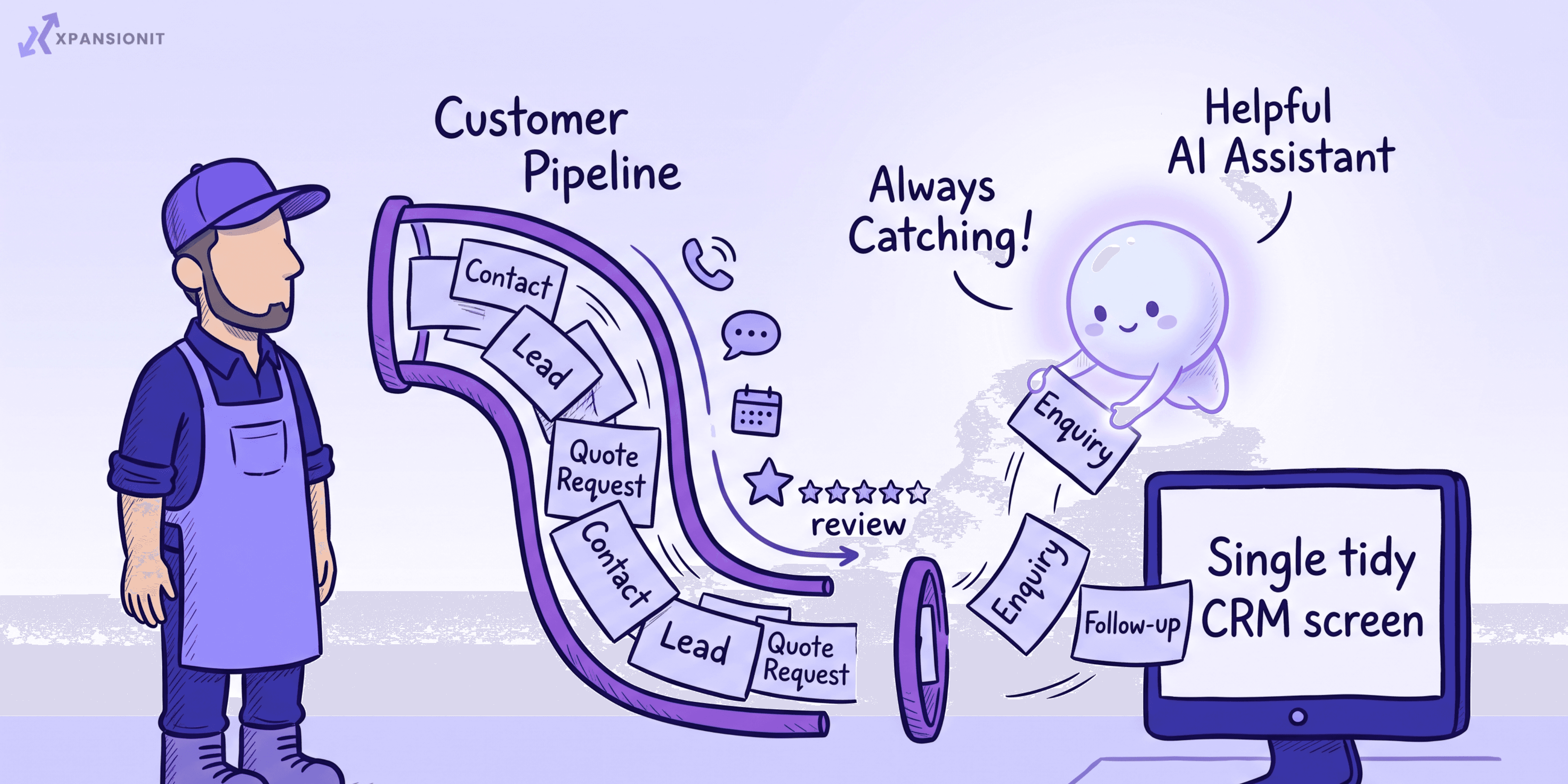
- Sorting and routing. Read incoming emails, tickets, or forms and send each one to the right place.
- Drafting, not sending. Prepare replies, summaries, and reports for a person to review and approve.
- Data entry between systems. Move details from one tool to another so your team stops copying and pasting.
- First pass research. Pull together the background a person needs before they make a decision.
Notice the pattern. The agent does the heavy lifting and a person keeps the final say. That keeps the speed without handing over judgement.
What to leave alone for now
AI agents are a poor fit when a mistake is expensive, hard to undo, or hard to spot. Keep a person firmly in charge of:
- Anything that moves money on its own without a check
- Final decisions about people, such as hiring, credit, or anything that affects someone's rights
- Tasks where being wrong damages trust and you cannot easily catch the error
- Work that touches sensitive personal or health information without strict controls
The rule is simple. If you cannot quickly tell when the agent got it wrong, do not let it act alone yet.
The Australian rules to plan around
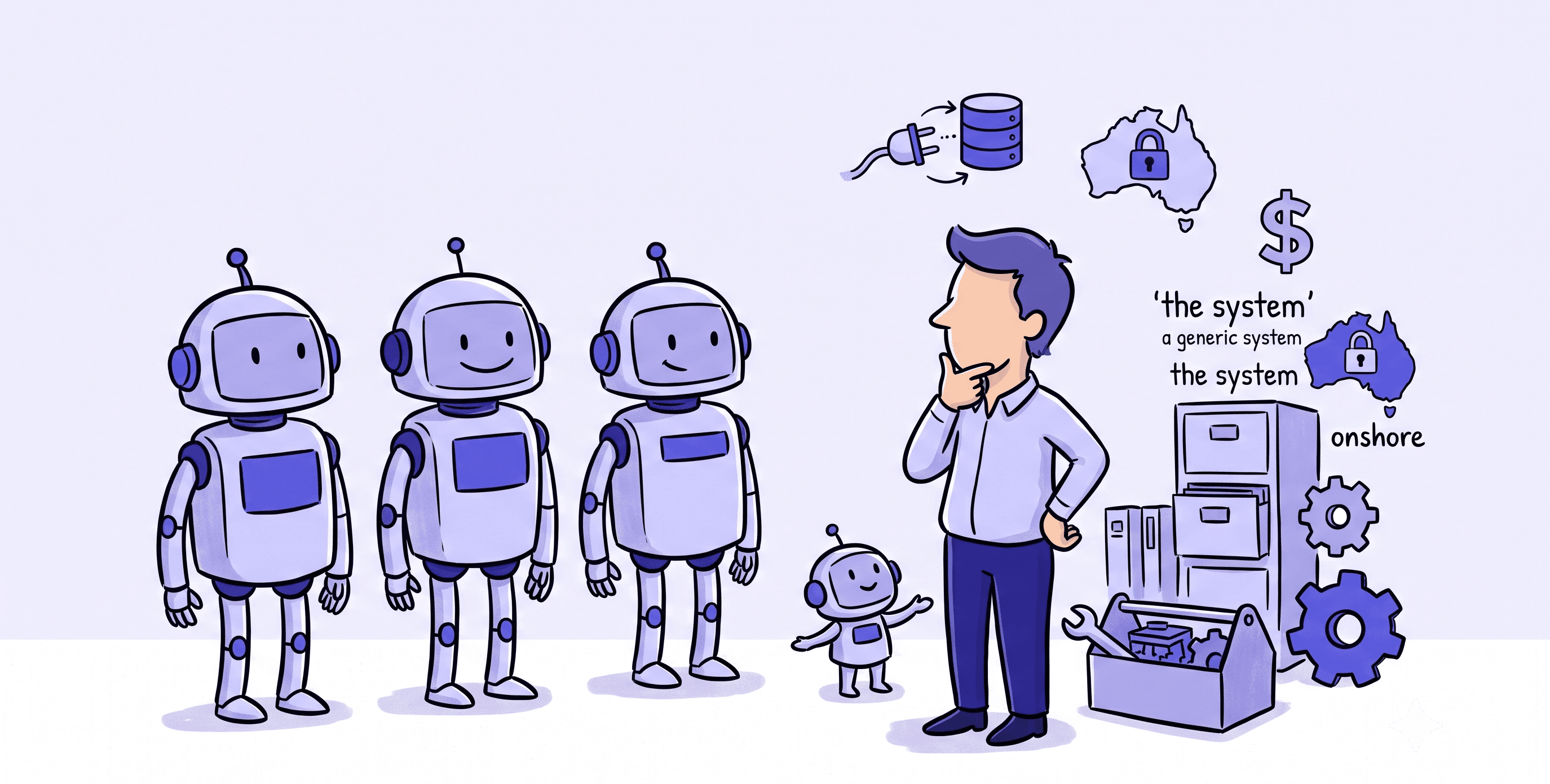
If an agent touches personal information, you sit under the Privacy Act 1988 and the Australian Privacy Principles, which the Office of the Australian Information Commissioner enforces. Two points matter most with agents. First, an agent that acts on its own can make a small mistake at scale very quickly, so logging and limits are not optional. Second, if it sends data to an overseas model provider, that is a cross border disclosure you are responsible for, which is one reason a locally hosted model is worth considering for sensitive work. Connecting agents to your other systems also pulls in business process automation, so it pays to map the whole flow before you switch anything on.
How to start without the risk
Pick one task from the first list. Run the agent in draft mode, where it prepares the work but a person approves every result. Track two numbers: how often it gets the task right, and how much time it saves. Once the accuracy is steady and the team trusts it, you can loosen the approval step on the safest cases and leave it in place everywhere else.
This is the part most businesses get wrong. They either hand over too much too soon and get burned, or they wait so long that the time savings never arrive. Starting small with a human check is how you avoid both.
The short version
AI agents are ready for real work, but only the right work. Automate the high volume, low risk, pattern based tasks first, keep a person on anything expensive or hard to reverse, and build in logging and limits from day one.
If you want help picking the first task and setting the guardrails, you can book an intro call and we will tell you which jobs are worth handing to an agent before any work begins.