More people are asking a question and reading the answer the AI gives back, rather than clicking through a page of blue links. Google AI Overviews, Perplexity, and ChatGPT all reply directly, and they pull those replies from a handful of websites they trust. If your site is not built so those tools can read it and quote it, you can rank well in old fashioned search and still never appear in the answer. Answer engine optimisation is the work of fixing that.
This guide explains what answer engine optimisation is, how it differs from regular search work, how these tools decide what to quote, and the changes that make your website easy to find and cite.
What answer engine optimisation is
Answer engine optimisation is the practice of structuring your website so AI answer tools can understand it, trust it, and quote it in their replies. Regular search optimisation aims to win a ranking spot you hope someone clicks. Answer engine optimisation aims to become the source the AI uses when it writes the answer itself.
The two overlap, but the goal is different. Old search rewards pages that match a query. Answer engines reward pages that give a clear, correct, well structured answer they can lift with confidence. That changes how you write and how you build the page.
How answer engines decide what to quote
These tools are not magic. They favour pages that make their job easy. In practice that means they reach for content that:
- Answers the question directly and early, in plain language, rather than burying it under a long introduction
- Uses clear headings so a section can be matched to a specific question
- Is marked up with structured data, such as FAQ schema, that spells out questions and answers
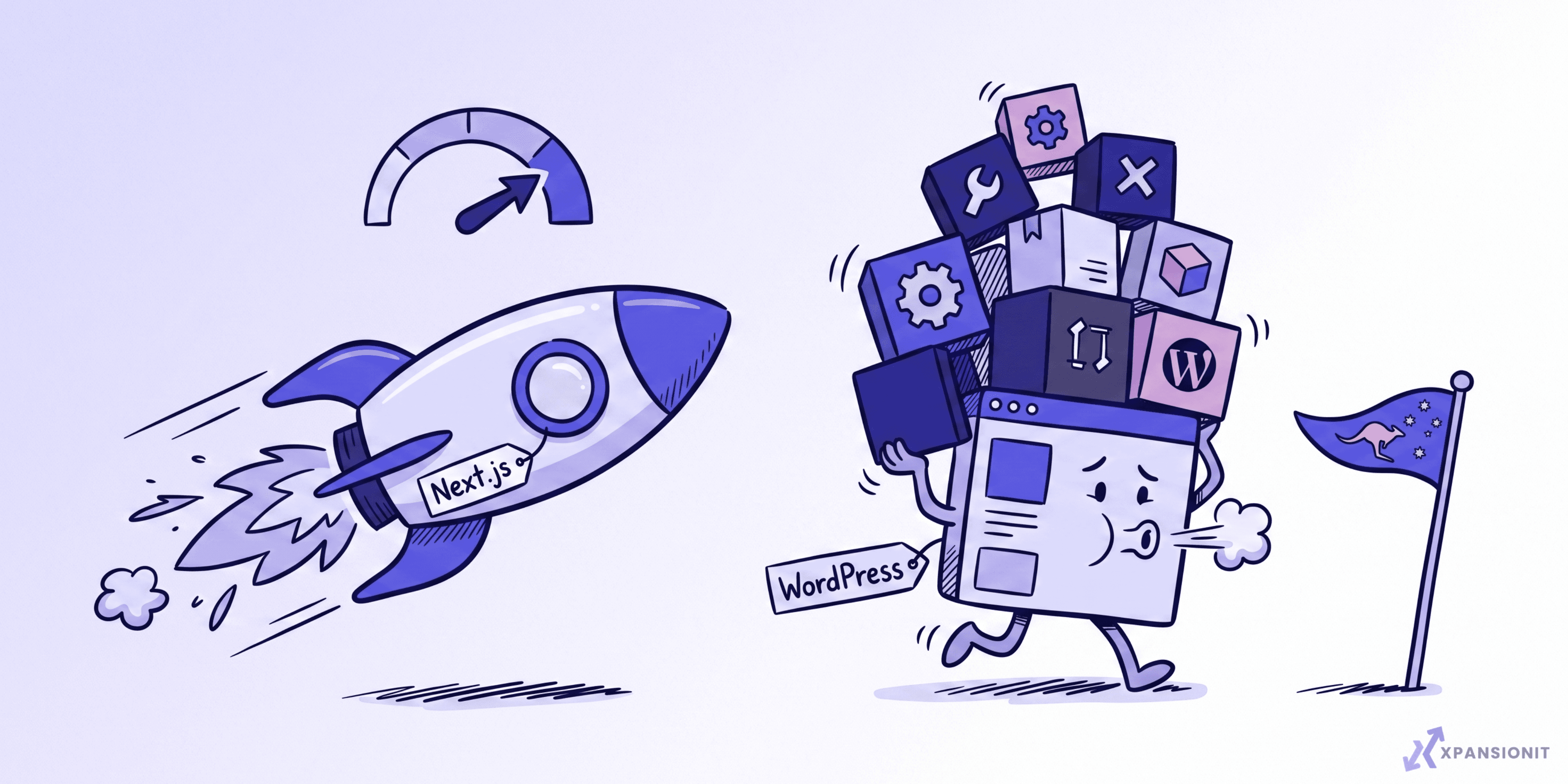
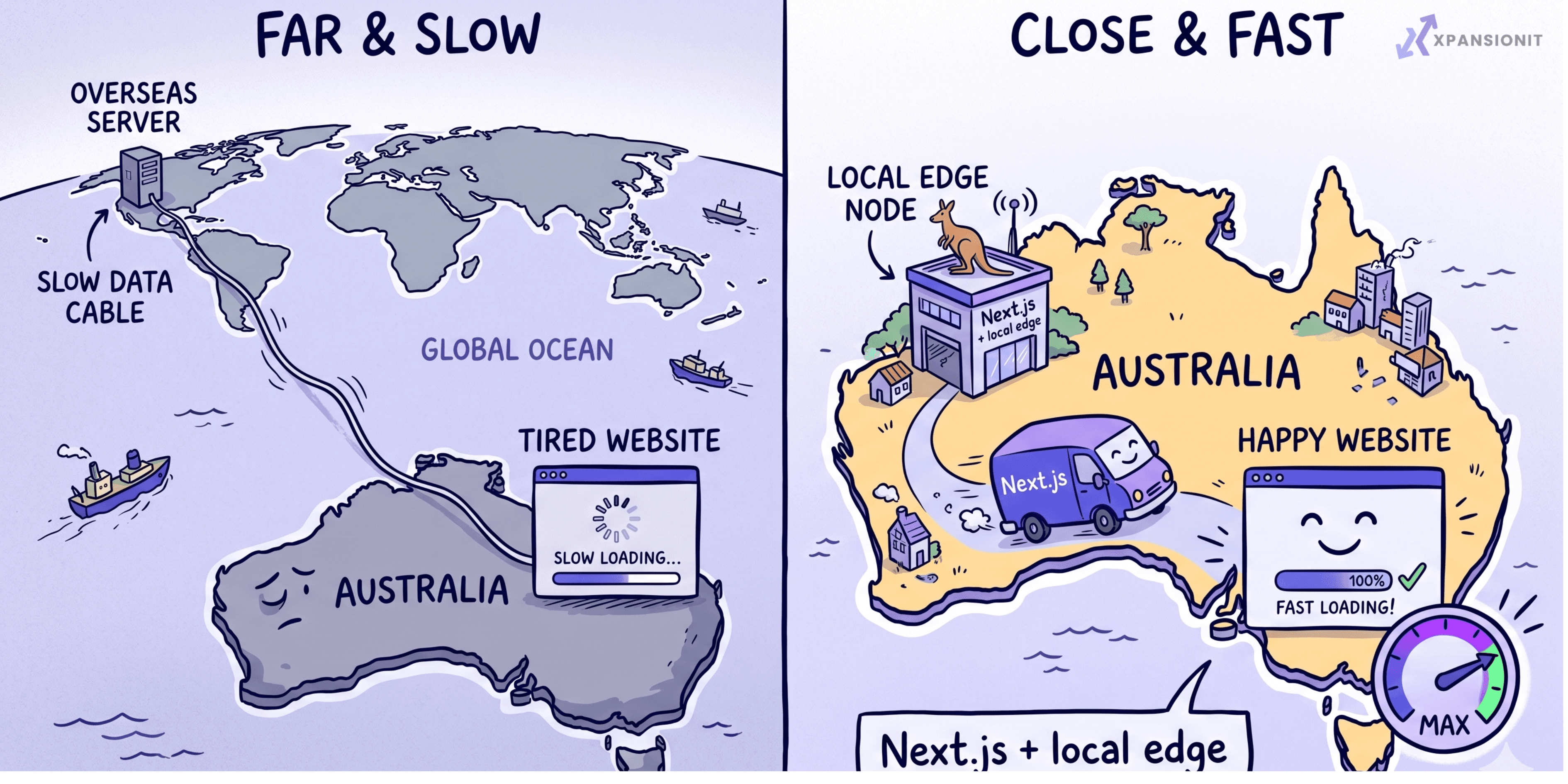
- Loads fast and works properly on a phone, because a page that struggles to load is a page that gets skipped
- Comes from a site that looks trustworthy, with accurate business details and content that is kept current
Notice how many of those are design and build decisions, not just writing. That is why answer engine optimisation belongs with your web design work, not bolted on afterwards.
The changes that move the needle
Here is what to actually do, in order of impact:
- Lead with the answer. Put a direct, one or two sentence answer at the top of each page or section. Save the detail for below.
- Structure with real headings. Break the page into clear H2 and H3 sections, each answering one question a reader might ask.
- Add an FAQ block with schema. Plain question and answer pairs, marked up as FAQ schema, give answer engines text they can quote word for word.
- Fix speed and mobile. A slow or clumsy page gets passed over. This is core UI and UX design work, not an afterthought.
- Keep your details accurate and consistent. Your business name, location, and contact details should match everywhere they appear, so the tools trust who you are.
Done together, these make your pages the easy choice for an answer engine to quote.
Why this is a web design problem, not just a content one
A page can have perfect writing and still get ignored if it loads slowly, breaks on a phone, or hides its structure from the tools reading it. Speed, clean markup, sensible headings, and accessibility are all design and build choices. A site that is fast and clearly structured is easier for both people and answer engines to use, which is the whole point of good UI and UX design in the first place. Keeping it that way over time is where web application maintenance earns its keep, because a site that goes stale slowly drops out of the answers.
The Australian angle
If your customers are in Australia, write in Australian English, because matching the way local people phrase a query helps the tools connect your page to that query. Make your location obvious, keep your business details consistent across your site and your listings, and answer the questions Australian customers actually ask, including anything specific to local rules or expectations. Local trust signals help an answer engine decide your page is the right one to quote for an Australian reader.
How to start
Pick your most important page and read the top of it out loud. If it does not answer the obvious question in the first couple of sentences, rewrite it so it does. Add a short FAQ block with proper schema. Check the page loads fast and behaves on a phone. Repeat for your next most important page. Small, steady changes across your key pages move you into the answers faster than one big overhaul.
The short version
Answer engine optimisation is about making your website easy for AI tools to read, trust, and quote. Lead with the answer, structure the page with clear headings, add FAQ schema, keep the site fast and current, and write for your local audience. The pages that do this are the ones that show up when someone asks an AI instead of searching.
If you want your site rebuilt to be fast, clearly structured, and ready for AI search, you can book an intro call and we will look at where you stand before any work begins.