Australians spent a record $82.6 billion online in 2025, up 14% on the year, and online now makes up about a quarter of all retail spending. So the money is there. The problem is how much of it walks back out the door. Across the board, roughly 70% of shopping carts get abandoned before checkout. A big slice of that is not your prices or your products. It is your store being slow and your checkout being painful. Headless commerce is the most effective fix for both.
This guide explains what headless commerce is in plain terms, why speed decides who wins, and whether it is the right move for your store.
What headless commerce actually is
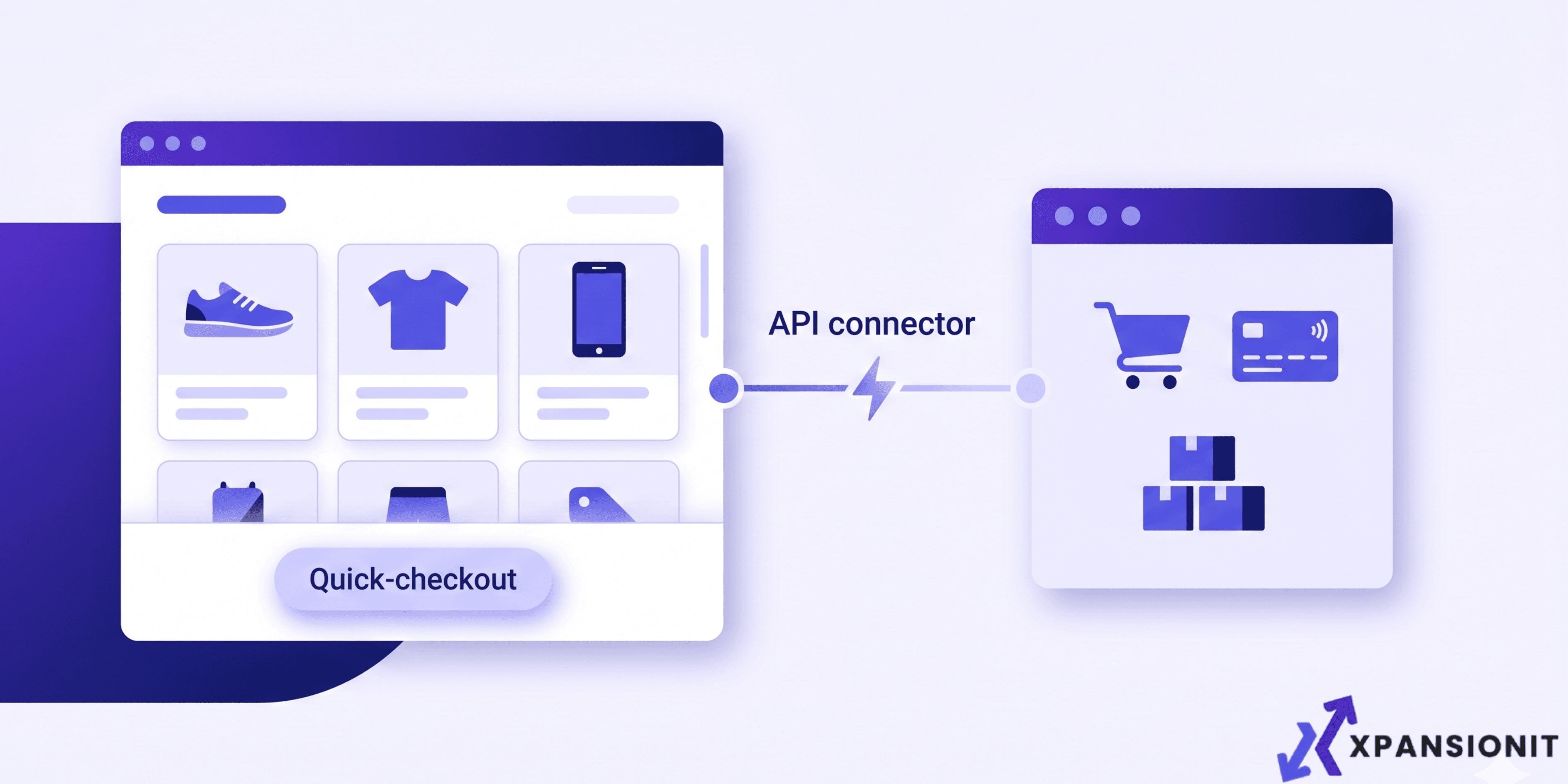
Headless commerce means splitting your store into two parts that used to be glued together. The front end, which is everything a shopper sees and clicks, gets separated from the back end, which is the engine that runs your cart, checkout, payments, and inventory. The two talk to each other through an API.
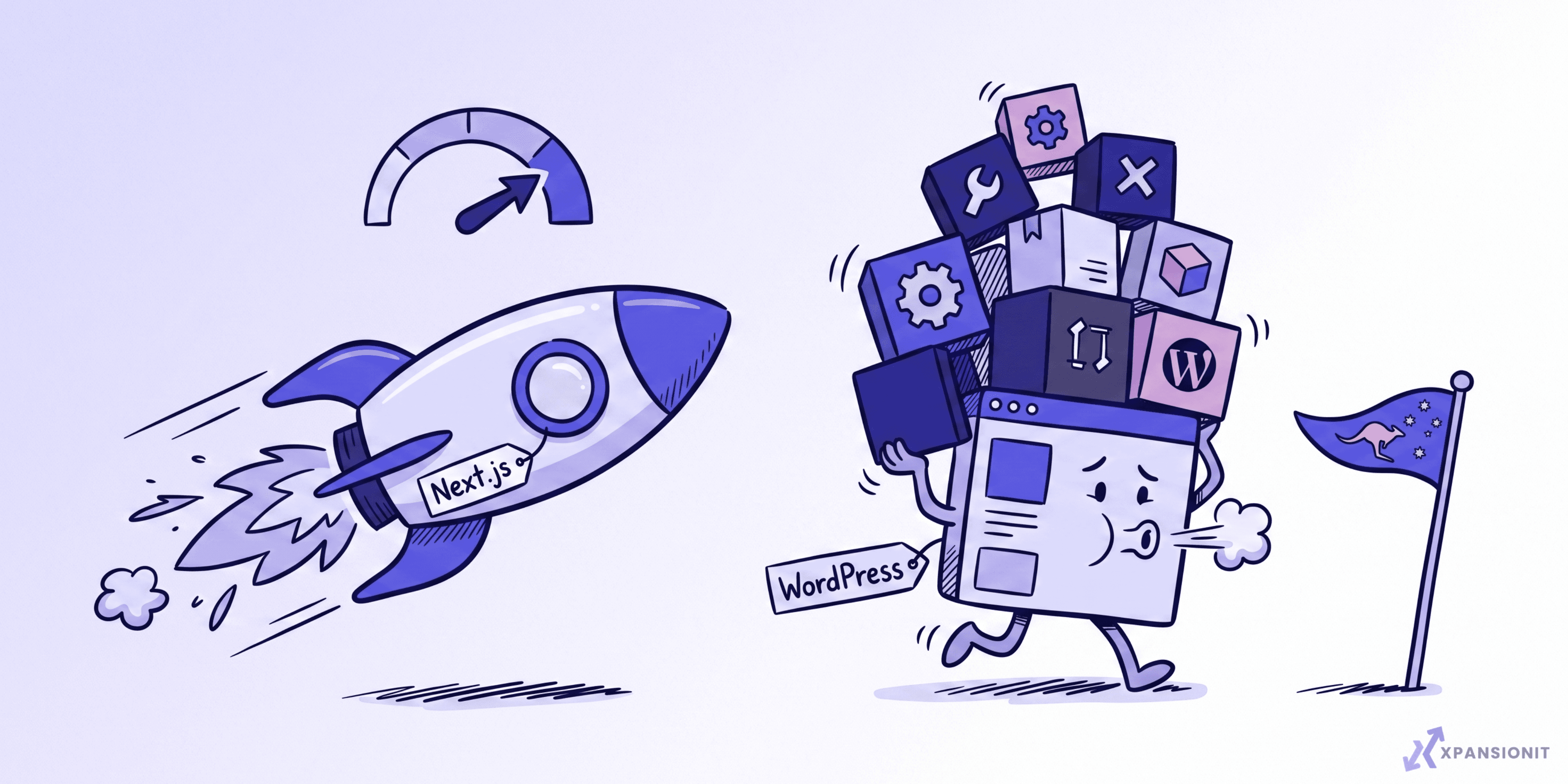
In practice that means you build a fast, custom storefront in a modern framework like Next.js, while a proven commerce engine such as Shopify or BigCommerce keeps doing the heavy lifting behind the scenes. You are not throwing away your platform. You are giving it a faster, fully custom shopfront.
The plain version: a normal store is one locked box. A headless store is a fast front window bolted onto a reliable engine, and you get to design the window exactly how you want.
Why speed is the whole game
Speed is not a nice-to-have. It is the difference between a sale and a bounce, and the numbers are blunt.
- Google and Deloitte found that even a 0.1 second improvement in mobile speed lifted retail conversions by around 8%.
- Research by Portent found that pages loading in one second convert about three times higher than pages that take five.
The reason most stores are slow is simple. Off the shelf themes carry code you never use, and every app, tracking pixel, and chat widget you bolt on adds more weight. It piles up until your pages crawl. A shopper on their phone in a checkout queue does not wait around.
How headless makes a store fast
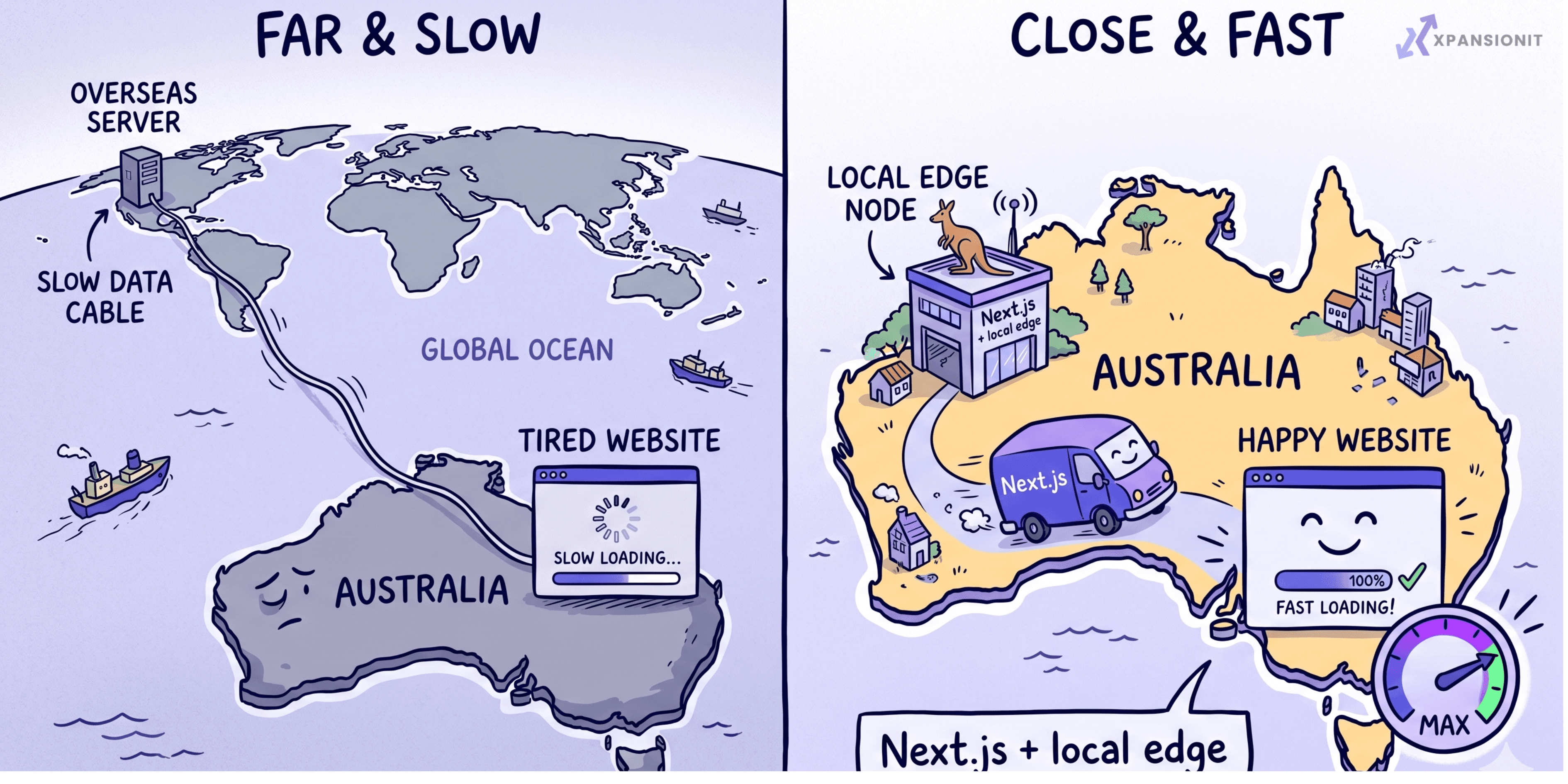
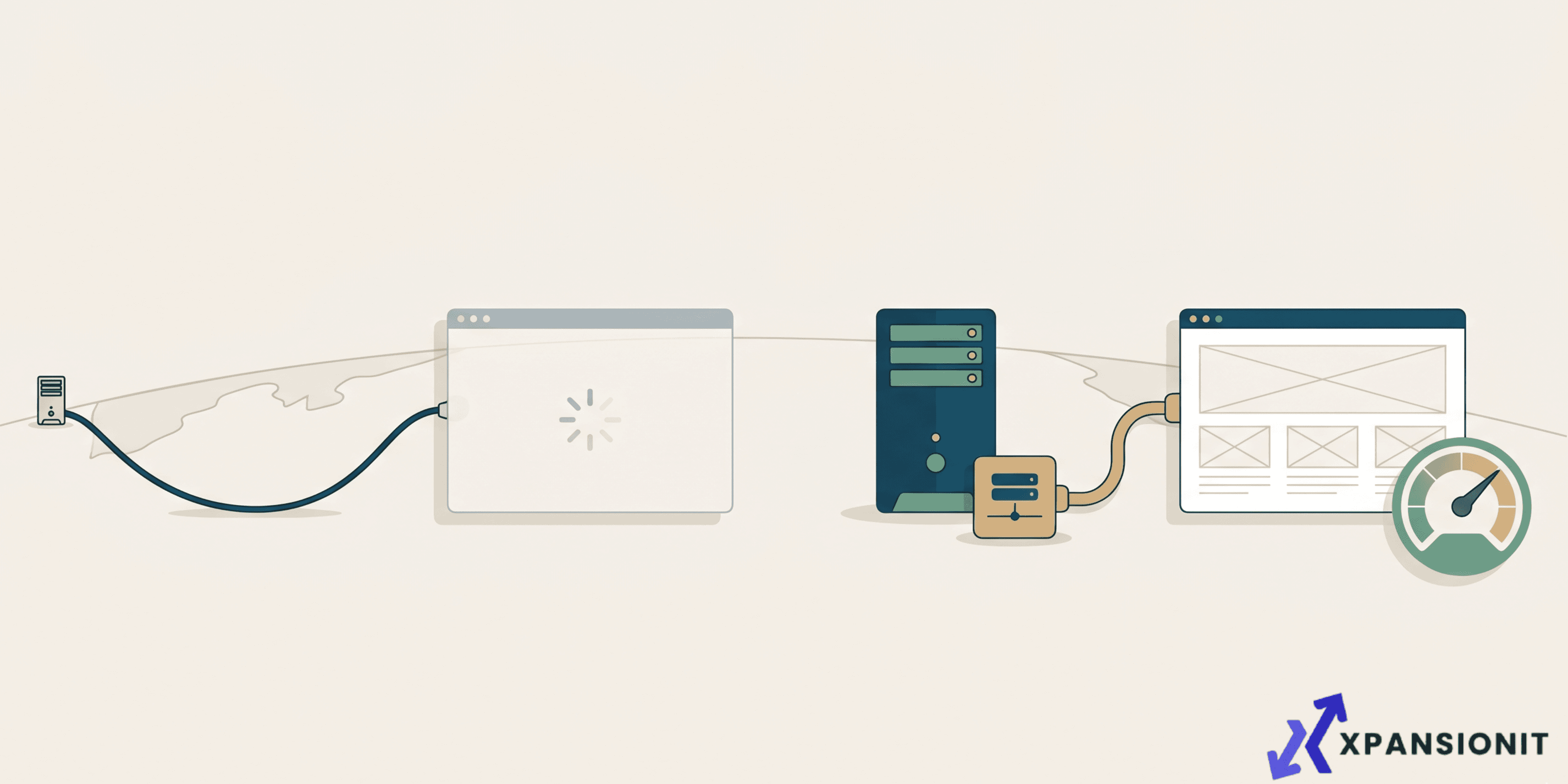
A headless build attacks the weight problem at the source. The front end is lean and carries only the code your store needs. Product and category pages can be built ahead of time and served from a CDN, so they appear almost instantly. And the checkout can be stripped back to the few steps that matter instead of a slow, cluttered default.
The results are real. BigCommerce reports that one retailer who moved to a headless build loaded around 85% faster, doubled its mobile speed, and lifted conversions by 37% after simplifying the checkout. That is the same traffic and the same products, just a faster path to buy.
Checkout is where the money leaks
Here is the part most stores underinvest in. With about 70% of carts abandoned, the checkout is the single biggest leak in the funnel. Baymard's testing found that a large store can gain roughly a third more conversions through better checkout design alone, and that surprise costs appearing late are one of the top reasons people bail.
A headless setup gives you full control of that checkout. You can show the real total early, cut the form down to the fields that matter, and make every tap feel instant. You cannot do much of that on a locked default checkout, which is exactly why fast growing stores go headless.
Is headless right for your store
Be honest about this, because headless is not for everyone. It costs more to build than dropping in a theme, and a sloppy headless build can end up slower than a decent normal one. It earns its keep when:
- You have real traffic, so a few percent more conversions is real money
- Your current theme is slow and you have hit the ceiling on fixing it
- You want a checkout and a look that the standard platform will not let you build
- You are selling across more than one channel and want one engine behind all of them
If you are just starting out with low traffic, a fast, well built standard store is the smarter first step. Get the fundamentals right with solid UI and UX design first, then go headless when the platform becomes the thing holding you back.
The Australian angle
Two local realities make speed and checkout matter even more here. Aussie shoppers are value driven and quick to compare, so a slow store loses them to the next tab. And delivery expectations are sharp: around 26% expect same or next-day delivery when something is urgent. A fast store with clear pricing and clear delivery options at checkout is what keeps a cautious shopper from bouncing. Once the store is live, keeping it fast over time is its own job, which is where ongoing web application maintenance earns its place.
How to start
Do not guess. Measure your store's speed on real pages with a tool like Google PageSpeed Insights, and look at your checkout completion rate. If your key pages are slow and your cart abandonment is high, you have found your money. Fix the worst pages first, simplify the checkout, and if your platform is the ceiling, that is when headless ecommerce development is worth the build.
The short version
Headless commerce splits a fast custom storefront from a proven commerce engine, so your pages load quickly and your checkout converts. Speed drives sales, checkout is where most stores leak, and headless gives you control of both. It is the right move once you have the traffic and your current platform is fighting you, not before.
If you want to know whether your store would gain from going headless, you can book an intro call and we will look at your speed and checkout numbers before any work begins.