The smartest software play in 2026 is not the next billion dollar unicorn. It is the opposite: a tiny, focused product, built by one or two people, solving one narrow problem, and quietly earning real money every month. That is micro SaaS, and the conditions for building one have never been better.
You do not need a slice of the whole market to win. The global SaaS market is worth more than $400 billion and heading past a trillion within a decade, with over 30,000 SaaS companies already operating worldwide. In a market that size there are countless small niches the big players will never bother with. A micro SaaS is built to own one of them.
This guide covers what micro SaaS is, why it is booming, and how to build one that actually makes money.
What micro SaaS actually is
A micro SaaS is a small software product that solves one specific problem for one specific niche, run lean by a solo founder or a small team. The goal is not to raise money and grow at all costs. The goal is a profitable product with low overhead that you own outright.
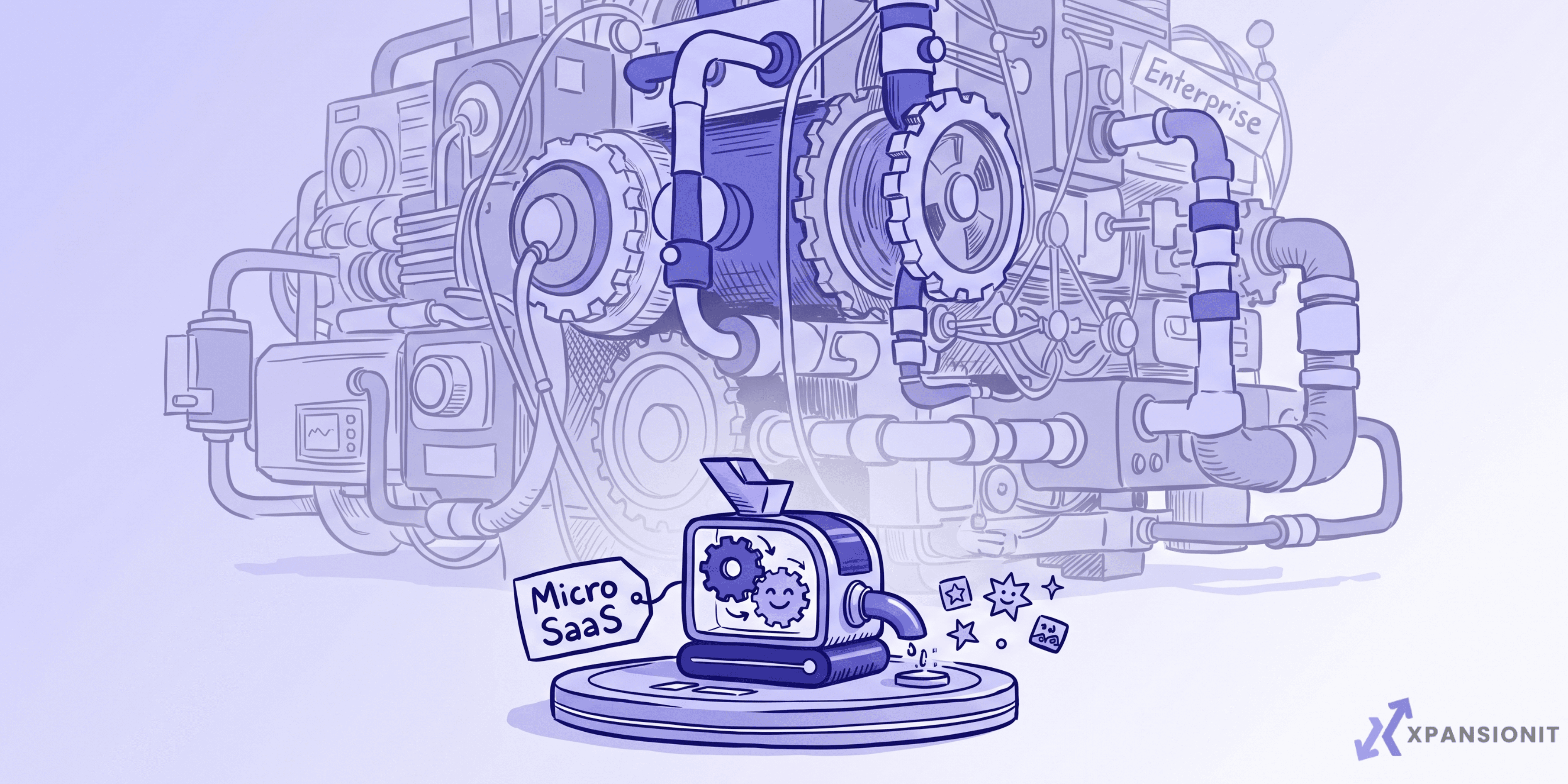
The contrast with traditional SaaS is the whole point. A venture-backed SaaS chases a huge market, hires fast, and burns cash to grow. A micro SaaS does one thing well for a niche too small to interest the giants, stays lean, and turns a profit early. Different game, different rules.
Why micro SaaS is booming in 2026
Three things have lined up to make this the best time yet to build one.
Building is far cheaper and faster. Modern tools and AI have collapsed the cost of building real software. With over 70% of developers now using AI coding tools daily, a tiny team can ship in weeks what used to take a big one months. The barrier to a working product has never been lower.
The niches are endless. With tens of thousands of SaaS companies chasing the big, obvious markets, the small, awkward, specific problems get left alone. Those overlooked niches are exactly where a micro SaaS thrives.
You keep it. A micro SaaS is usually bootstrapped, so there are no investors to answer to and no pressure to grow at any cost. You own the product, you keep the profit, and you decide how big it gets.
What makes a good micro SaaS idea
Not every small idea is a good micro SaaS. The ones that work share four traits:
- A narrow, painful problem. One specific job a specific group of people genuinely dislikes doing.
- A niche that pays. Small enough that the big players ignore it, but made up of people or businesses willing to pay to solve the problem.
- A recurring need. A problem that comes back regularly, so a subscription makes sense rather than a one-off purchase.
- Insight you already have. The best micro SaaS ideas come from a world you know, your industry, your old job, your hobby, where you can already see the painful task others put up with.
How to build a micro SaaS
- Find the niche and the pain. Start from something you understand, and look for the repetitive task people in that world quietly hate. That is your product.
- Validate before you build. Talk to real potential customers and confirm they would pay. Interest is cheap. A pre-sale or a paid pilot is proof.
- Build small, but build it properly. A micro SaaS is small, not flimsy. It still needs real sign up, billing, and data separation on a sound SaaS foundation, built with solid full stack engineering. Lean means focused, not fragile.
- Use AI to move faster and do more. Lean on AI integration both to build quickly and to power features, so a tiny team can deliver and run a real product.
- Charge from day one and grow from profit. Put a price on it at launch, keep overhead low, and reinvest what it earns. No outside money required.
The traps to avoid
- Going too broad. "Software for small business" is not a micro SaaS. "Rostering for hospitality venues" is. Narrow wins.
- A niche too small to pay. A specific problem is good. A specific problem that only a handful of people have is a hobby, not a business.
- Building before validating. The most expensive mistake is spending months on a product nobody confirmed they wanted.
- Over-engineering. Micro SaaS wins on low overhead. Resist the urge to build the giant platform version before the small one earns its keep.
How to start
Pick a niche you genuinely know. Find the one repetitive, painful task people in it would pay to be rid of. Confirm they will pay, then build a small, real product that does that one thing well. Charge from launch and grow from profit. That is the entire micro SaaS playbook.
If you have a niche and a painful problem in mind and want help turning it into a real product, you can book an intro call and we will help you scope a lean first version before any work begins.