Australia runs on small business. Small businesses make up 97.3% of all Australian businesses, around 2.7 million of them, and most still run customer relationships out of inboxes, phones, and a spreadsheet someone started two years ago. That works right up until a lead slips, a follow-up is forgotten, or the one person who knew a client goes on leave and takes the details with them.
A small business CRM is how a growing Australian business stops losing customers to disorganisation. This guide covers what one is, when you actually need it, how to choose, and when it is worth building your own.
What a small business CRM is
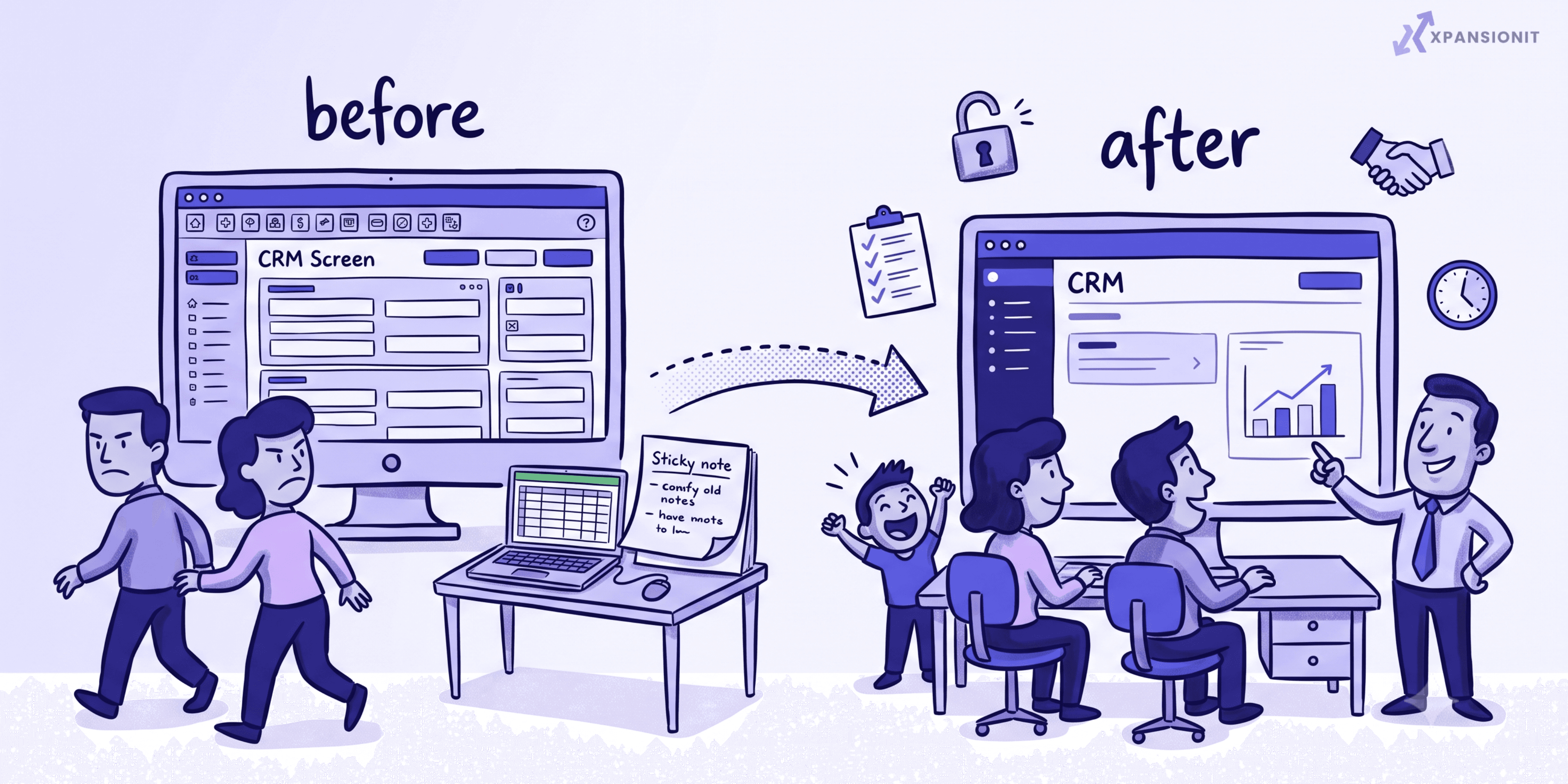
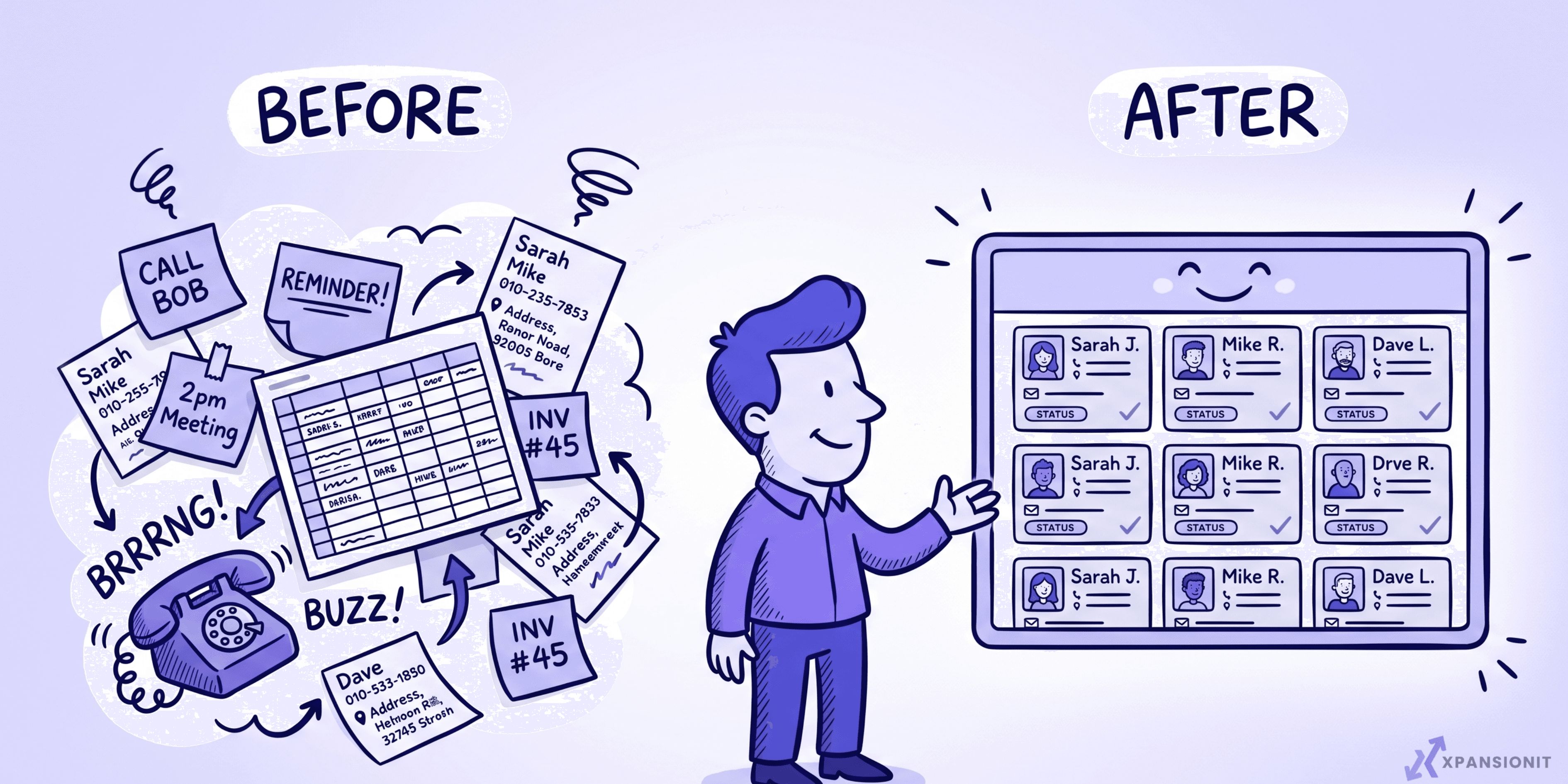
A small business CRM (customer relationship management system) is one place for every customer, lead, conversation, and follow-up. Instead of details scattered across email, phones, and spreadsheets, anyone on the team can see who a customer is, what was said, and what happens next. For a lean Australian business where one person often wears several hats, that single source of truth is the whole point.
Signs your Australian business needs a CRM
You have probably outgrown the spreadsheet when:
- Leads slip through the cracks because follow-ups live in someone's head or inbox.
- You cannot see your pipeline, who is close to buying and who has gone quiet.
- Customer details are scattered across spreadsheets, phones, and notebooks.
- When someone is away or leaves, their client knowledge walks out the door with them.
- You spend more time on admin than on actual customers.
If two or more of those sound familiar, a CRM will pay for itself quickly.
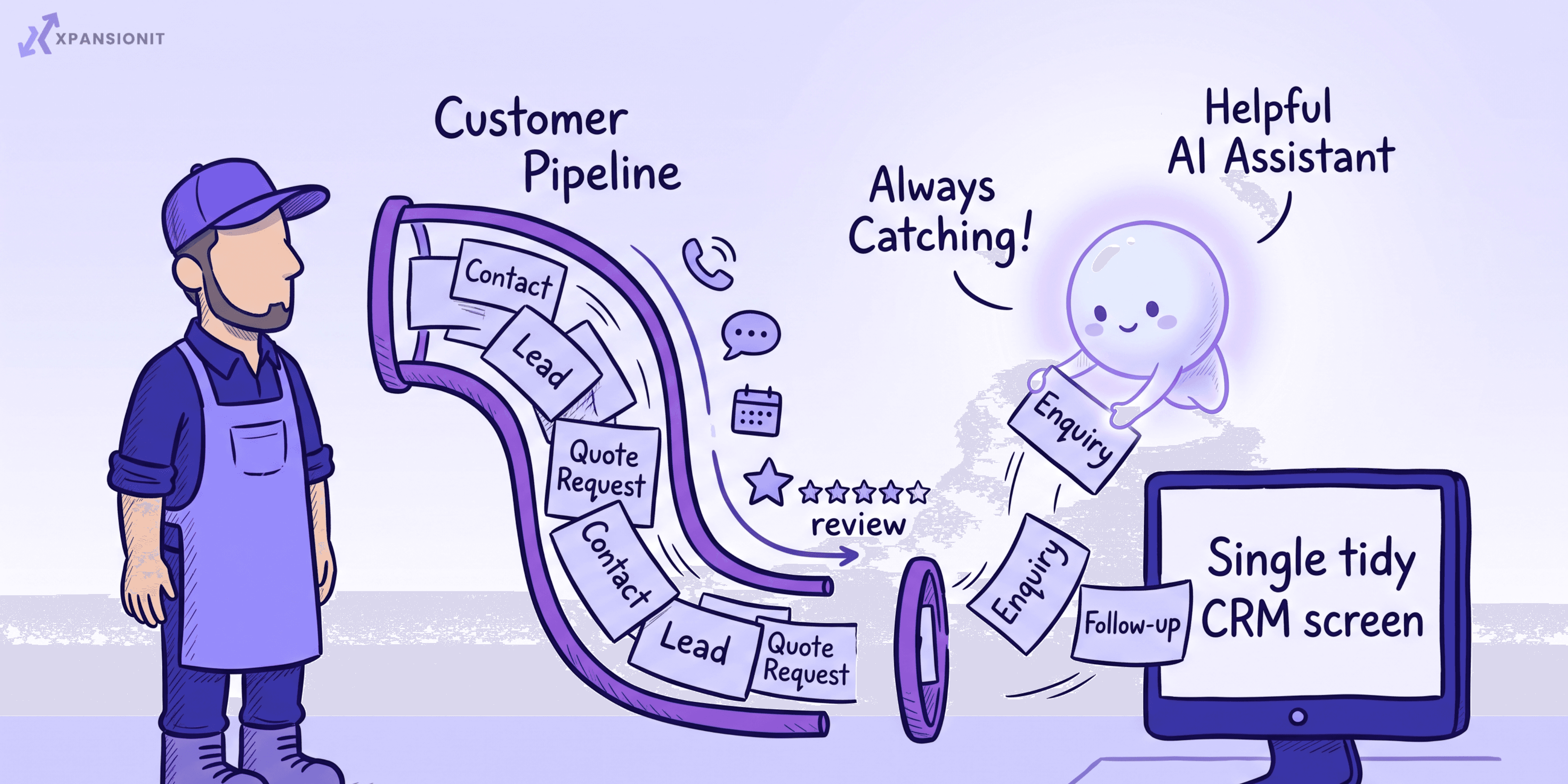
What a CRM does for a small business
A CRM keeps everything in one place, reminds you to follow up, shows your pipeline at a glance, and takes the admin off your plate. The payoff is real: businesses report a productivity boost of around 34% after adopting a CRM, and save 5 to 10 hours a week, largely by automating repetitive tasks. For a small team, that time goes straight back into serving customers and winning work, rather than chasing notes.
Off-the-shelf or custom: start simple
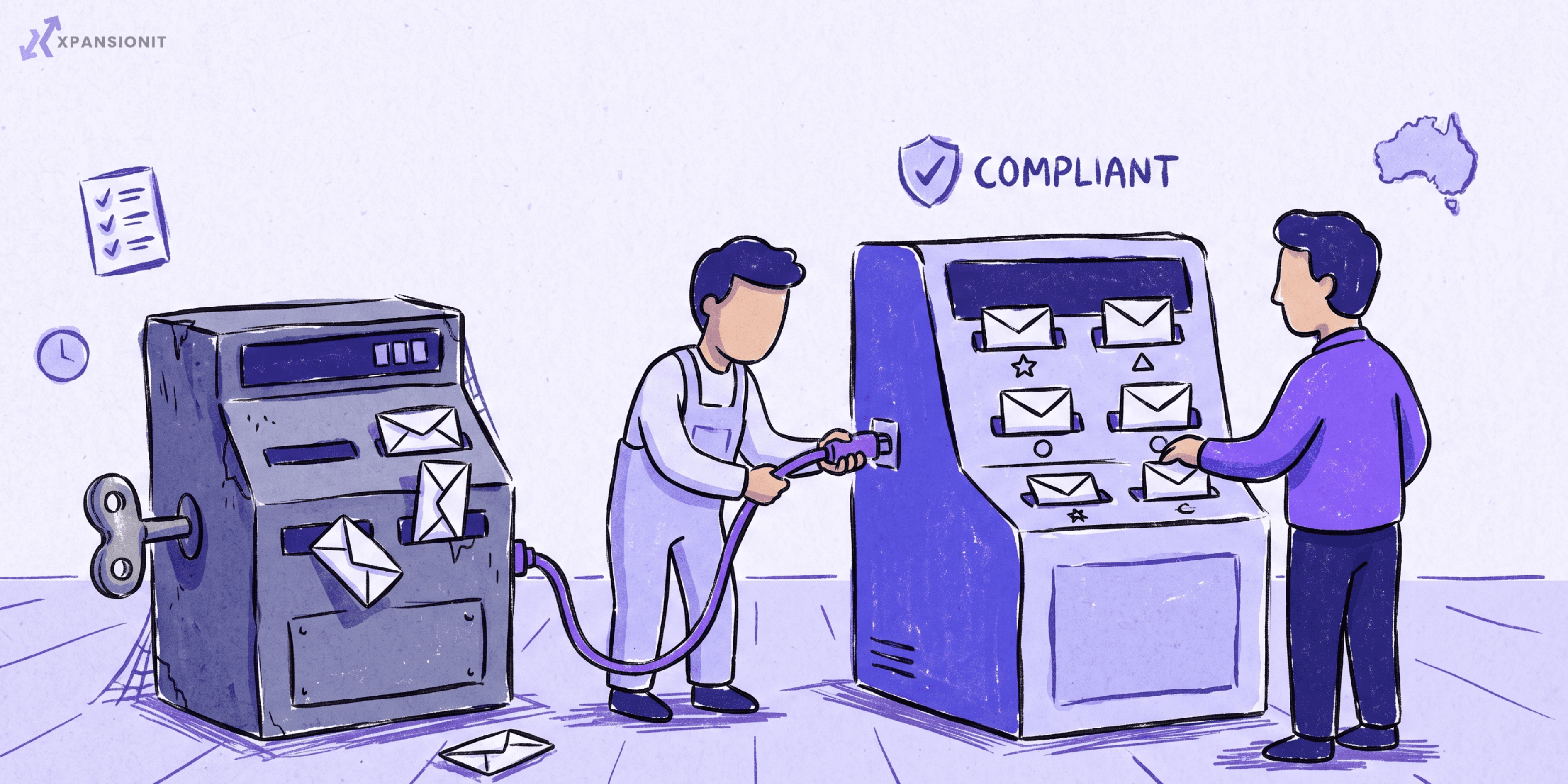
Here is the honest advice most software companies will not give you: most small businesses should start with a good off-the-shelf CRM, not a custom build. Mainstream tools like HubSpot, Zoho, and Pipedrive have free or low-cost tiers that cover the basics well and are quick to set up. A custom CRM is the right move later, once you have outgrown the generic tool, not on day one.
The thing that actually decides success is whether your team uses it. Roughly 55% of CRM rollouts fail to meet their goals, almost always because the tool was too complex or nobody kept it updated. So pick the simplest CRM that does what you need, not the one with the longest feature list.
How to choose a small business CRM
- Start from your process, not the feature list. Map how a lead becomes a customer, then find a CRM that fits that, rather than reshaping your business around the software.
- Choose something your team will actually use. Simple and used beats powerful and ignored every time.
- Make sure it fits Australian needs. GST-friendly invoicing or integrations, local payment options, your time zone, and clarity on where your data is stored.
- Start cheap and grow. Use a free or starter tier, prove the habit, then upgrade once you know what you actually need.
- Get your data in and keep it clean. Import your contacts and automate follow-ups so the CRM stays current without extra effort, which is what keeps people using it.
When to build a custom CRM
You will know you have outgrown an off-the-shelf CRM when you are bending your business to fit the tool, paying for seats and features you never touch, or fighting to connect it to your other systems. That is the point a custom CRM built around how your business actually works starts to pay off, and where business process automation can connect it to the rest of your tools so the busywork runs itself. Until then, keep it simple and spend your money elsewhere.
How to start
List the three places you most often lose leads or drop follow-ups. Pick a simple CRM that fixes those first, get your contacts in this week, and set up automated reminders so nothing slips. Build that habit, and you can always grow into something more powerful, or more custom, later.
The short version
Small businesses are 97.3% of Australian businesses, and most still run on inboxes and spreadsheets. A small business CRM puts your customers, leads, and follow-ups in one place so nothing slips, and businesses that adopt one save real time every week. Most Australian small businesses should start with a simple off-the-shelf CRM and only build custom once they have outgrown it. Choose from your process, pick something your team will use, and keep the data clean.
If you have outgrown your current CRM and are weighing a custom build, you can book an intro call and we will give you a straight answer before any work begins.