How to Run a CRM Implementation in Australia That People Use
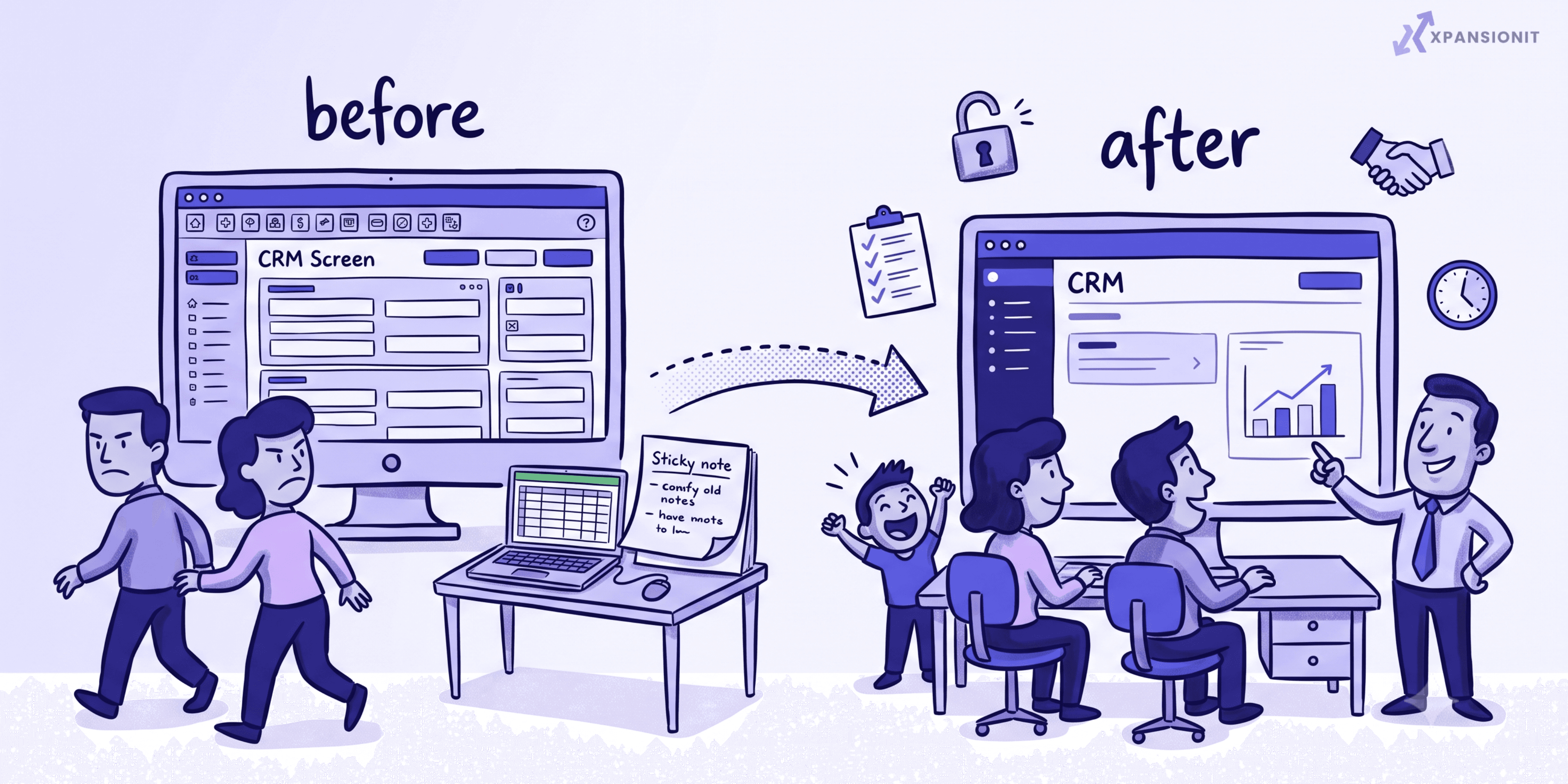
Most failed CRM projects do not die on the invoice. They die three months after go-live, when the sales team quietly drifts back to the spreadsheet and the shiny new system fills up with blank fields. A CRM implementation is not really a software purchase, it is a change to how people work, and that is exactly the part most businesses underfund. We at XpansionIT build and rescue these systems for Australian companies, so we will say the uncomfortable thing plainly: the software you pick is almost never why a CRM fails. Get the people and the process right and almost any decent platform works. Get them wrong and the best CRM on the market will gather dust. Here is how to land on the right side of that line.
Why Do So Many CRM Implementations Fail?
Because businesses treat them as an IT project instead of a change project. Depending on which study you read, somewhere between a third and two-thirds of CRM implementations miss their goals, and the leading cause is not the technology, it is poor user adoption. People are asked to change how they work, nobody helps them, and they stop.
The Software Is Almost Never the Problem
This is the finding that surprises people, and it is worth sitting with. When analysts trace CRM failures back to their root cause, over 60% come down to people, roughly 30% to process, and only somewhere around 6 to 10% to the software itself. In other words, more than nine failures in ten have nothing to do with which CRM you bought. Yet most organisations spend around 80% of their implementation effort on configuring the technology and only 20% on adoption and process. That single imbalance is the quiet killer.
It also explains a mistake we see constantly: a business has a rough experience with one CRM, decides the tool was the problem, and buys a different one, only to fail again in the same way for the same reasons. If the rollout was the real problem, a new platform just gives you a more expensive version of the same disappointment.
The Real Reasons CRM Projects Fail
Strip it back and the failures cluster into a handful of predictable patterns.
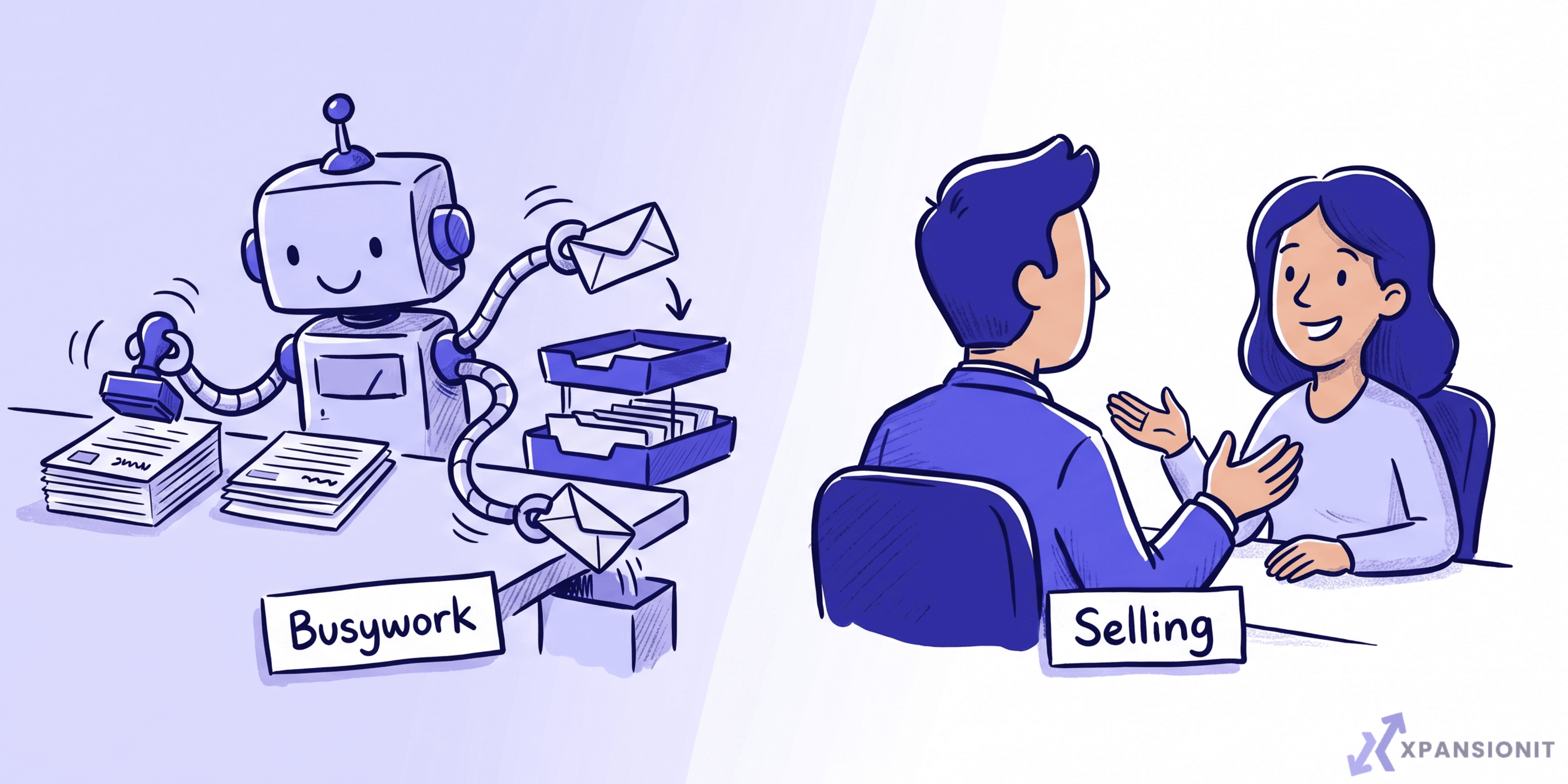
Poor adoption, driven by friction. Sales reps see data entry as admin that steals time from selling, and they are not entirely wrong: studies show a large share of reps lose more than an hour a day to manual entry. If using the CRM feels like a tax, people avoid it. This is why automating the busywork matters so much, and it is the whole subject of our guide on what to automate in a CRM.
Bad data. A CRM is only as good as what is in it, and roughly three quarters of users say less than half their CRM data is accurate. Once the reports are visibly wrong, trust collapses and usage follows.
Over-complex, generic platforms. Enterprise CRMs pack in hundreds of fields and workflows to win big contracts. Faced with all of it, a small team freezes and retreats to what they know. More features rarely means more adoption. Often it means less.
No visible leadership. If the executives do not use the CRM or reference its data in meetings, everyone quickly learns that entering data is optional, and optional things do not get done.
Big-bang rollouts and forced-fit customisation. Switching everything on at once overwhelms people, and bending a generic platform to mirror every quirk of an old process just multiplies the complexity without improving the outcome.
Where the Right Tool Does Matter
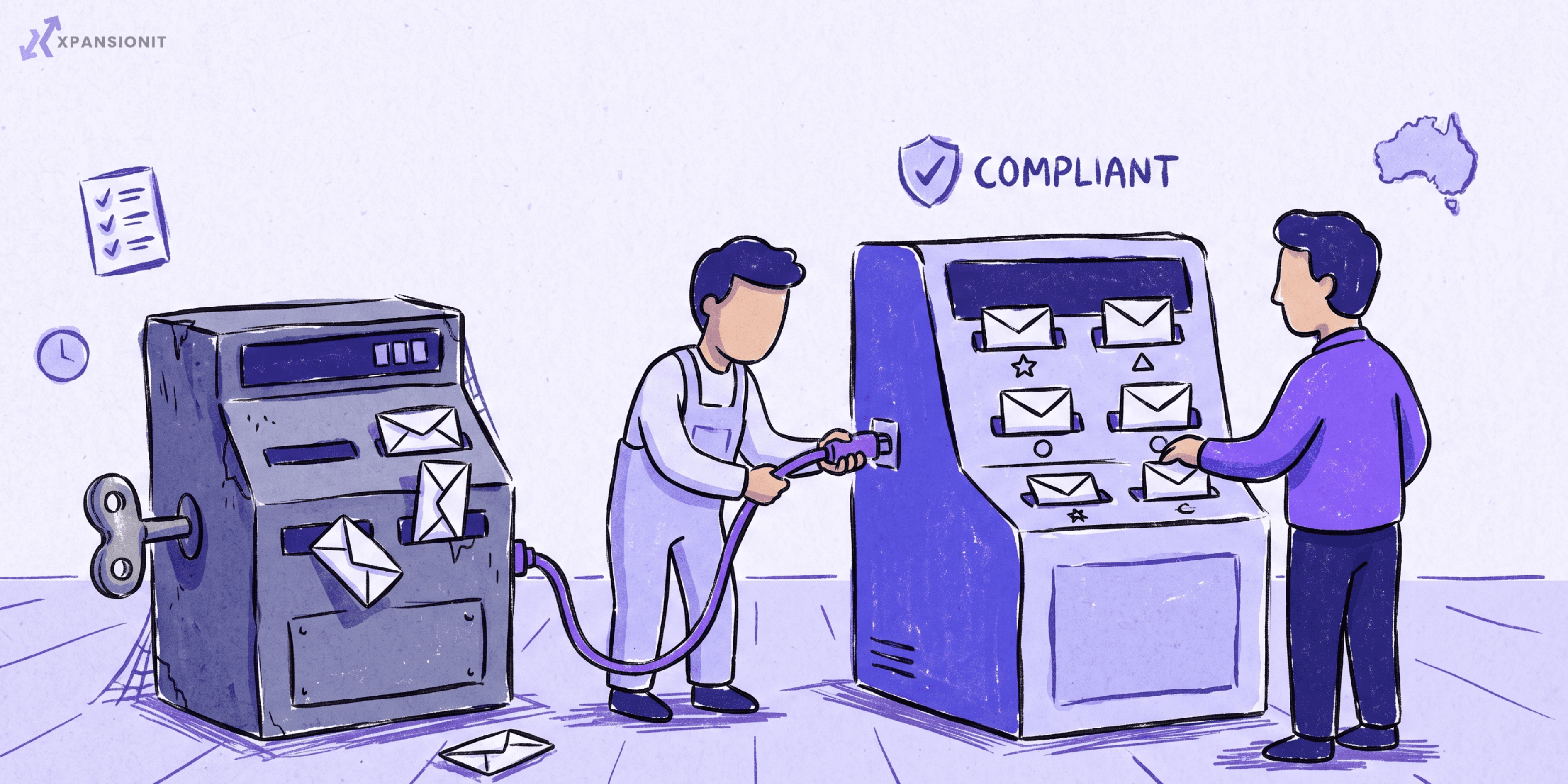
Now the honest counterweight, because "the software does not matter" is too glib. The tool matters enormously in one specific way: how well it fits the way your team works, and how little friction it puts between a person and their job. A generic platform with fifty irrelevant fields actively suppresses adoption. A system shaped around your real workflow, showing each role only what it needs, quietly encourages it. That fit is the entire argument for a custom CRM built around your business rather than the other way round, and it is why some teams are better served building their own AI-assisted CRM than renting a bloated one. If your needs are truly simple, an off-the-shelf tool is the right call, and our guide to choosing a CRM for a small business covers that path. The point is not custom for its own sake. It is fit.
How to Get a CRM Implementation Right
The businesses that succeed do a few unglamorous things in a deliberate order.
Fix the process before you touch the software. Map how the work really flows today, decide how it should flow, and only then configure the system to support it. Automating a broken process just breaks things faster.
Involve the users from day one. The people who will live in the CRM should shape the fields, the stages, and the screens. When they help design it, they own it, and adoption follows on its own.
Appoint a champion and get leadership visibly using it. An internal advocate can lift adoption dramatically, and executives referencing CRM data in every meeting sends the message that the system is not optional.
Roll out in phases. Staged rollouts are far more likely to succeed than flicking every switch at once, because each phase gives people something to master before the next arrives. Migrate clean data, not the mess you already have.
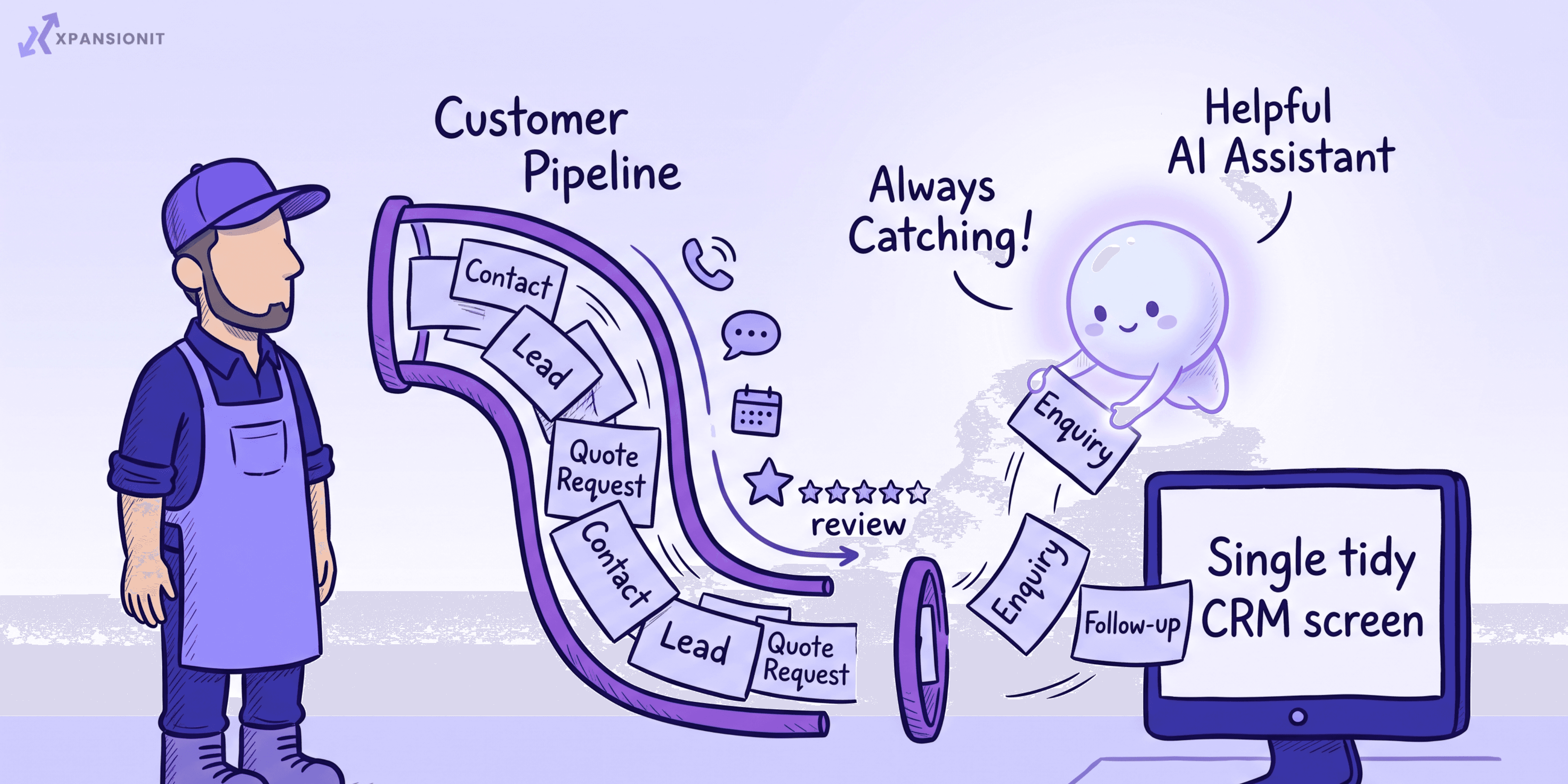
Then keep automating the friction away, so the system saves people time instead of costing it. Our local business CRM and AI playbook walks through this in practical detail. Above all, treat go-live as the start of adoption, not the finish line.
When Not to Start Yet
Since we build these systems, we could tell you to start tomorrow. We will not. A CRM you will not commit to adopting is worse than the spreadsheet you have now, because it costs more and gives you false confidence in bad data. If your leadership will not use it, if nobody can own the process work, and if there is no appetite for change management, wait until there is. A realistic implementation is measured in months of process and people work, not just a software fee, and a custom build scoped to your workflow usually starts in the low tens of thousands. The cheapest CRM in the world is still a total loss if it sits unused.
Why This Matters to Us
We are a small Adelaide team, and a fair share of our CRM work is not fresh builds, it is rescues: businesses that spent real money, watched adoption fizzle, and called us to work out what went wrong. It is almost never the platform. It is that nobody designed for the humans who had to use it. We scope to the actual workflow, cut the fields nobody needs, automate the admin that kills adoption, and treat the rollout as a change project, not a software install. When a system does need saving, that is exactly what our legacy system modernisation work is for.
What Do the Numbers Say?
The research points in one direction with unusual consistency. CRM failure is a people-and-process problem wearing a technology costume, and the businesses that treat it that way win.
| What the data shows | Figure |
|---|---|
| CRM projects that fail to meet their goals | up to around 50% |
| Failures caused by people and process, not software | over 60% |
| Typical effort split most firms use | 80% technology, 20% adoption |
| More likely to succeed with proper change management | 3.5x |
A Quick Word From Our Own Playbook
"A CRM does not fail because you bought the wrong software. It fails because you asked people to change and then left them to it."
Want to know more? Read our guide on what to automate in a CRM.
Talk to Us
If you are about to roll out a CRM, or you are staring at one your team never adopted, we are happy to give you a straight read on what would really make it stick. Call us on +61 420 883 221 or tell us about it through our contact page, and we will tell you plainly whether you need a new system or a better rollout of the one you have.
Whether that means a fresh build, a rescue, or simply automating the friction out of your current setup, we design around the people who have to use it. Take a look at everything we do at XpansionIT, get to know who we are, or browse our services. If CRM is the priority, start with our custom software development service, which covers custom CRMs and the automation around them, and when you are ready, get in touch.