Web Application Development
Websites and web apps built around the job
We build websites, online shops, customer portals and browser-based tools. Tell us what people need to do online, and we will plan the design, development and support around that task.
Online shops, customer portals and booking tools in daily use by our clients.
What’s included
One team, from first sketchto the site people use
Design, development, content editing, connections and hosting are handled together. You decide what the site needs to do. We take responsibility for everything it takes to get there.
Web design
A clear, on-brand look that first-time visitors trust.
Web development
Built to load quickly and keep working under real use.
MVP development
A smaller first version (an MVP) to test the idea before spending big.
Online stores (e-commerce)
Sell products or services online, with payments handled by an established provider.
Customer portals
Customers log in to book, pay or check status instead of emailing you.
Booking and scheduling
Take bookings around the clock with less back and forth.
Content management (CMS)
A simple editor for your own pages, text and images.
CRM and tool connections
New enquiries and orders flow into the customer tools you already use.
Technical SEO
Set up so search engines can read and list every page.
Analytics and tracking
See which pages your enquiries and sales come from.
Hosting and support
We keep it online, patched and up to date after launch.
What we build
Websites, online shops, portals and browser-based tools, designed, built and supported.
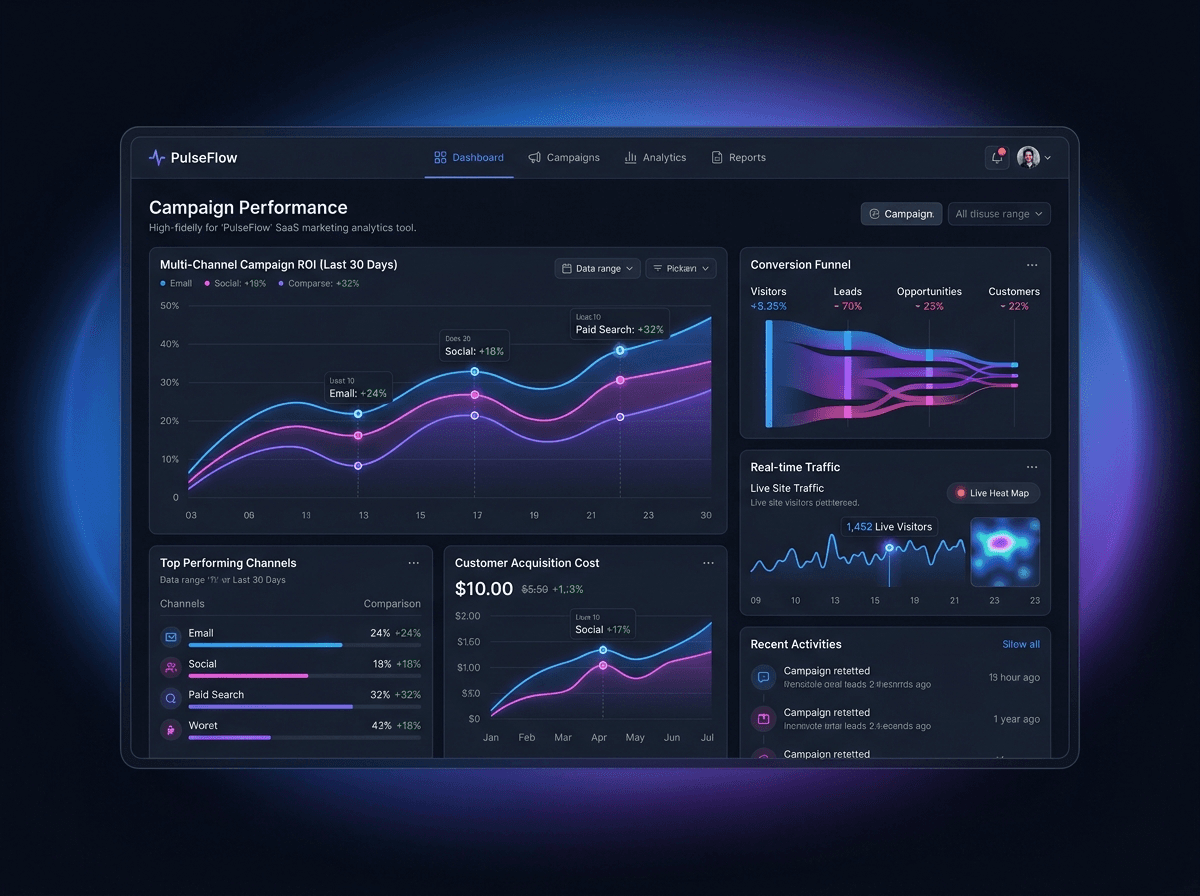 Analytics dashboard
A design that builds trust
On-brand and clear on any screen
Take payments the safe way
Cards, subscriptions, refunds, receipts
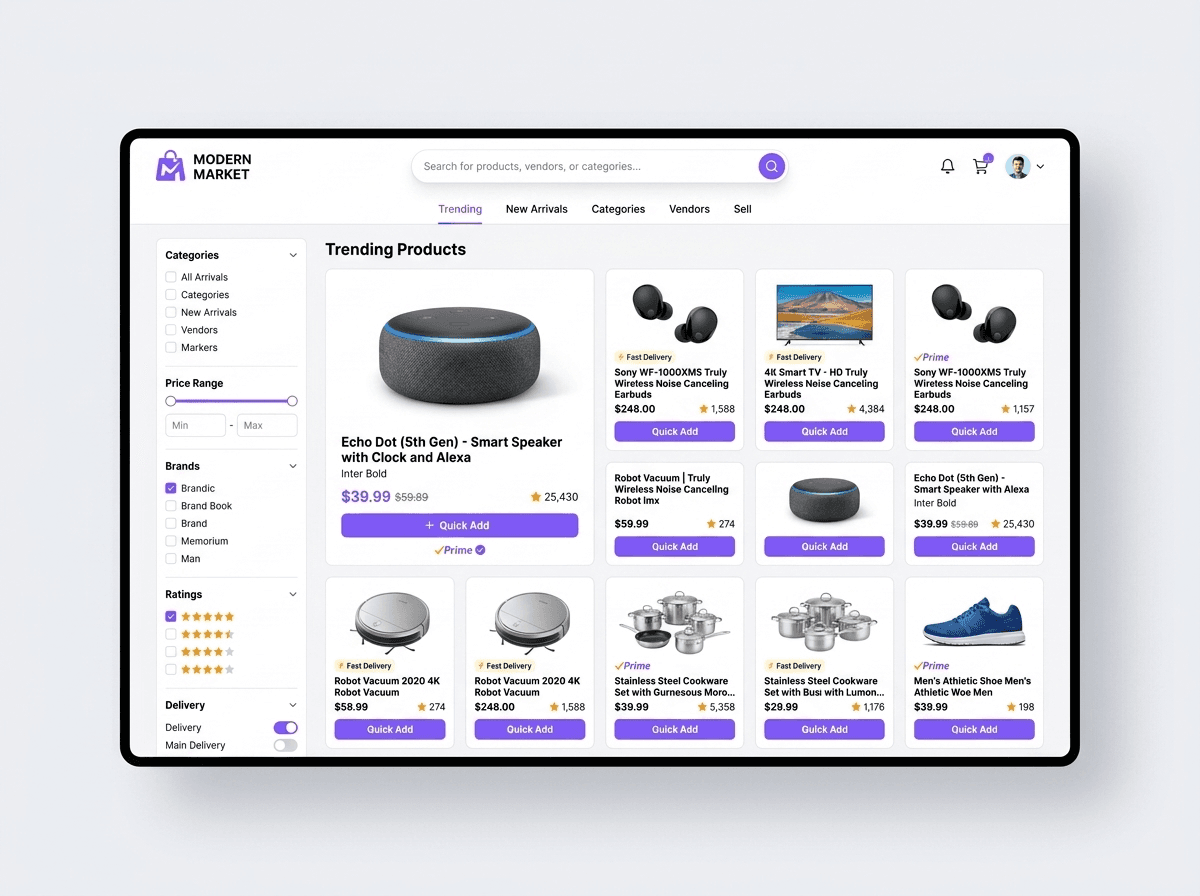 Online shop
Logins for your customers
Fewer calls, self-serve answers
Reports you will use
Live figures, exportable to a spreadsheet
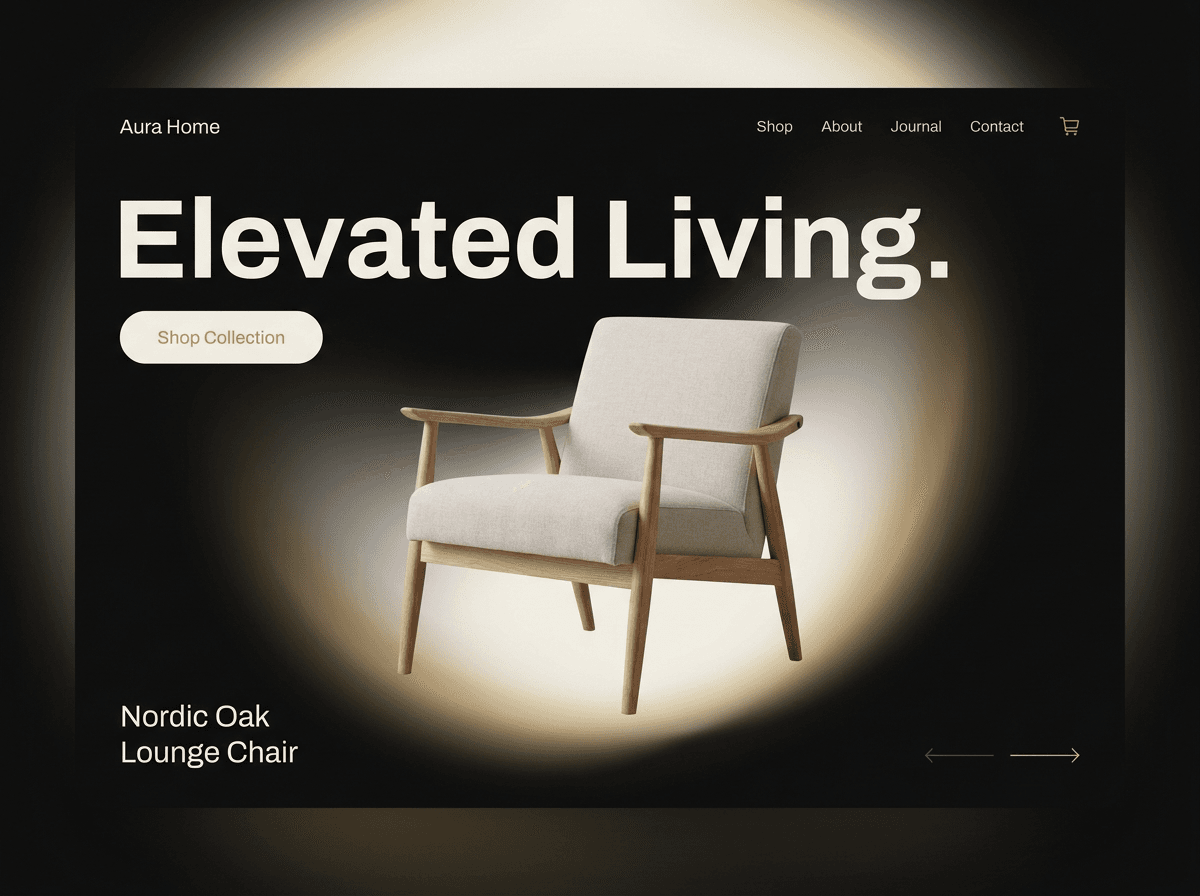 Storefront
Edit it yourself
Preview changes before they go live
Readable by search engines
Fast pages, tested on real phones
Which one fits
Three kinds of website, one clear choice
Marketing website
Explain the business and collect enquiries.
Online shop or portal
Let customers buy, book, pay or manage an account.
Web application
Run a workflow that standard website tools cannot handle.
Proof
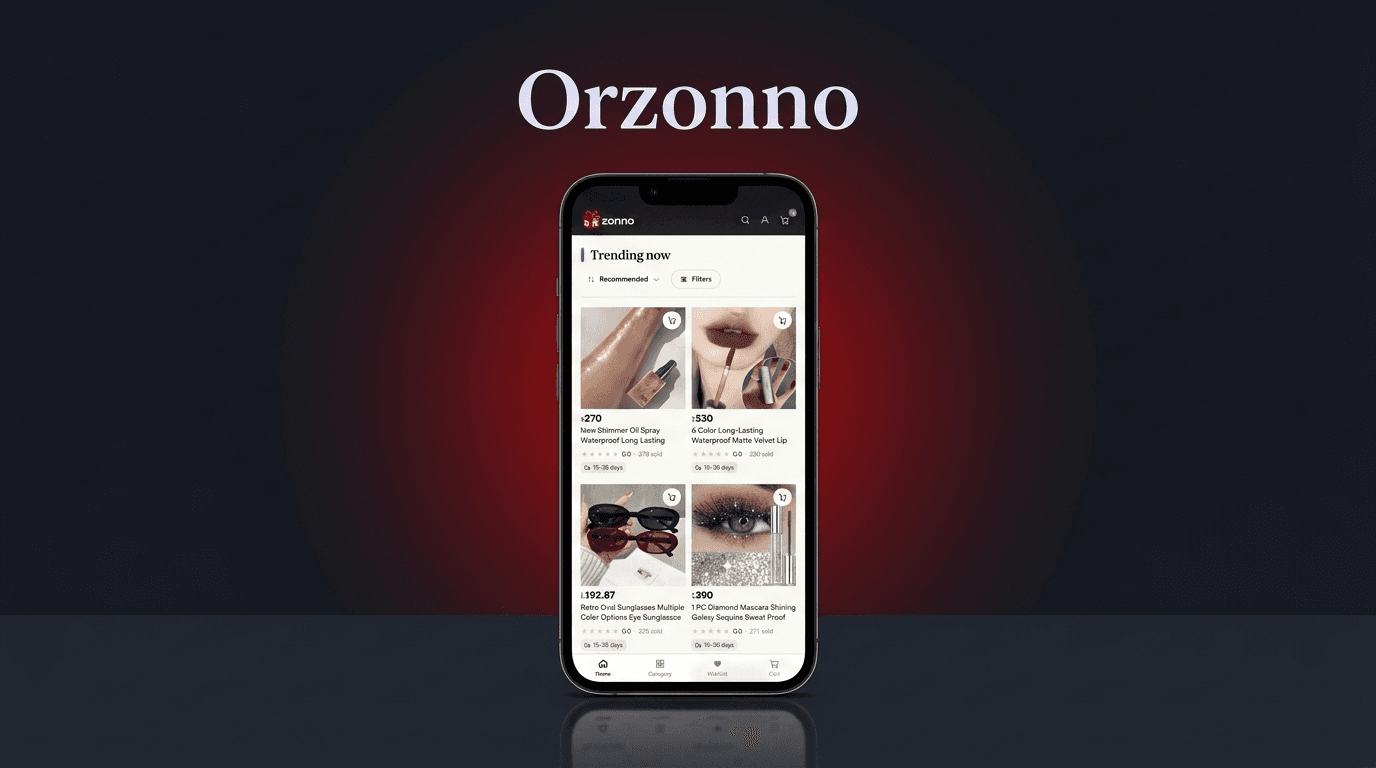 Orzonno
Orzonno: Custom E-commerce Platform
A custom commerce platform connecting product discovery, verified checkout, content management, and order fulfilment.
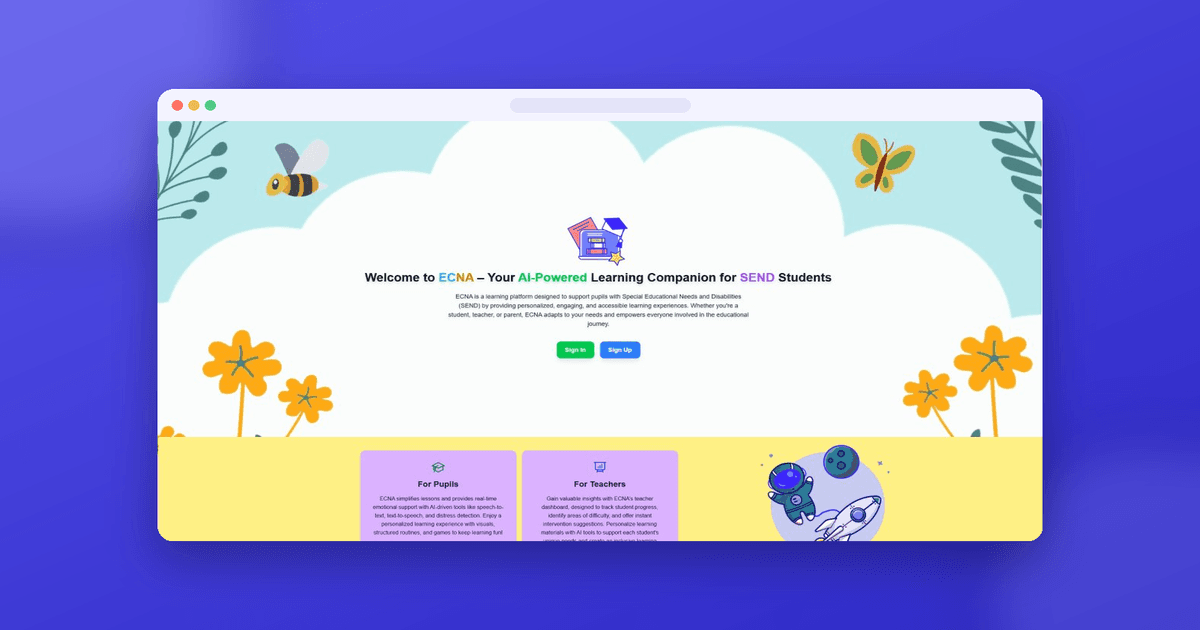 ECNA
ECNAECNA: Adaptive AI Learning Companion
An AI learning platform that adapts the national curriculum to how each SEND pupil learns, communicates, and manages emotion.
Thinking about a build like this for your business?
Tech stack
The tools we build it on.
We choose tools that fit the job and are easy to maintain.
- Next.js
- React
- TypeScript
- Tailwind CSS
- Sanity
- PostgreSQL
- Supabase
- Stripe
- Zapier
- Google Analytics
- Vercel
Rented or built
A template, or a site built around how you sell
A template shop and a few stitched-together tools can get a business online. The cost shows up later, when nothing quite fits and the pieces only half talk to each other.
A rented Shopify or Wix shop that looks like everyone else's
An online shop built around how you sell, with the products, pricing and checkout your business needs.
A generic CRM or a growing pile of spreadsheets
A customer system that matches how your team works. Details are entered once and seen by everyone who needs them.
A template website your competitors are also using
A site designed only for your business, shaped around what you offer.
Separate tools loosely stitched together with Zapier
One connected system where your site, bookings, payments and customer records talk to each other.
How we work
A clear path from first message to launch.
The same process every time, adapted where the work needs it. You see progress at every step.
- 01
Phase 01
First chat
We learn your business, your customers and what the site needs to do, before anyone talks about screens.
- 02
Phase 02
Plan and price
A written plan naming what will be delivered, agreed with you before development begins. You know what you are buying.
- 03
Phase 03
Design
You see the real screens early and can react before anything is built. Changes are cheap at this stage.
- 04
Phase 04
Build
Working software you can click through as it grows, not a black box you wait on until the end.
- 05
Phase 05
Launch and support
We test it, put it live carefully, then keep it running and make small improvements as your business changes.
Before you enquire
The questions business owners usually ask.
If yours isn't here, just ask. A real person reads every message.
It depends on what the site needs to do, so we scope it first. The work and price are agreed before development starts, and any change in scope is costed before the extra work begins.
Often that is the cheaper option. We look at what you have first, because replacing something that mostly works can cost more than improving it. If a fresh start is better, we will explain why in plain terms.
Yes. We set up a simple editor for your own pages, so you and your team can change text, images and pages whenever you like without paying us for every small edit.
Every site we build is designed for phones first and set up so search engines can read and list every page. Where a page appears in results depends on your content and competition, so we do not promise positions.
Yes. We put it live on accounts you own, keep it monitored and patched, and offer an ongoing support arrangement for updates, fixes and small improvements.
Ready when you are
Tell us what people need to do online.
Tell us what customers or staff need to do online. We will help you choose the right type of website or web application.
Explore
The rest of what we do.
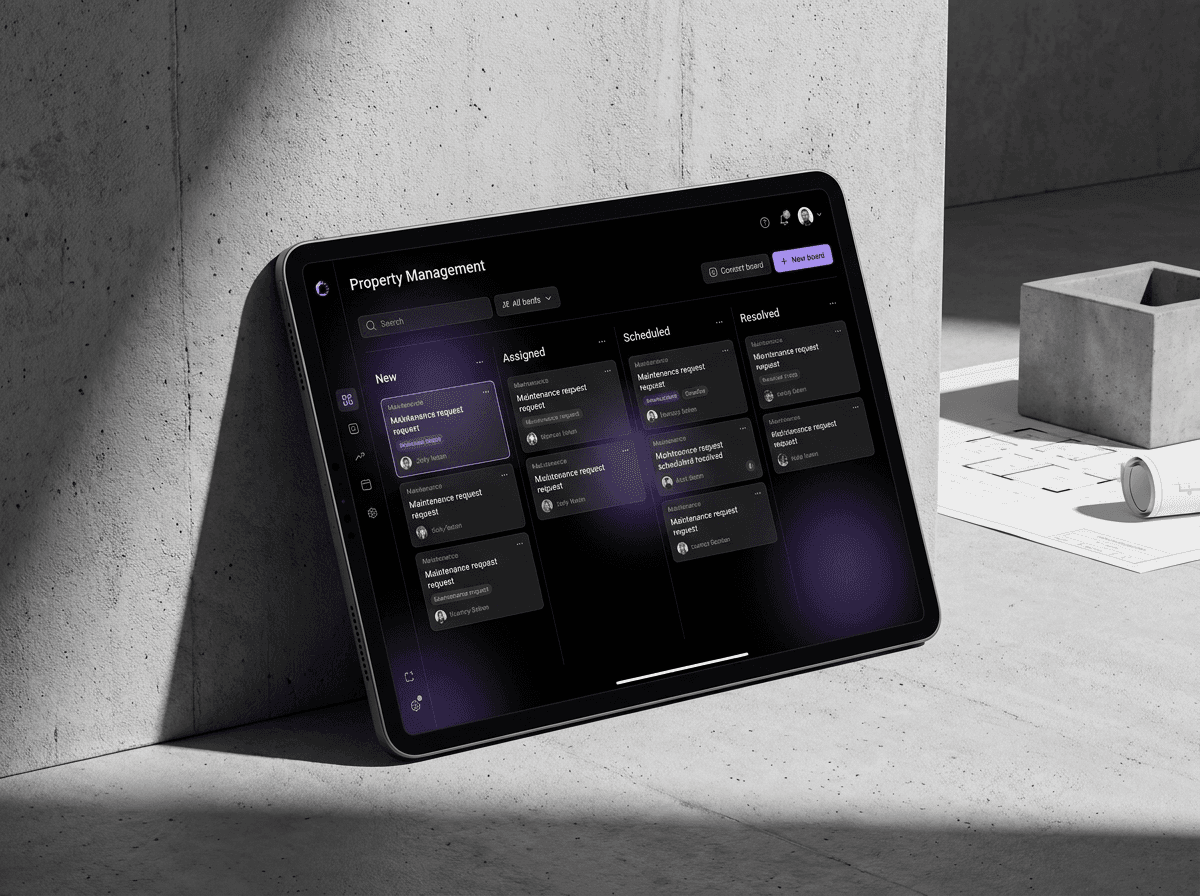 Custom Software DevelopmentSoftware built around a workflow that ready-made tools cannot fit.
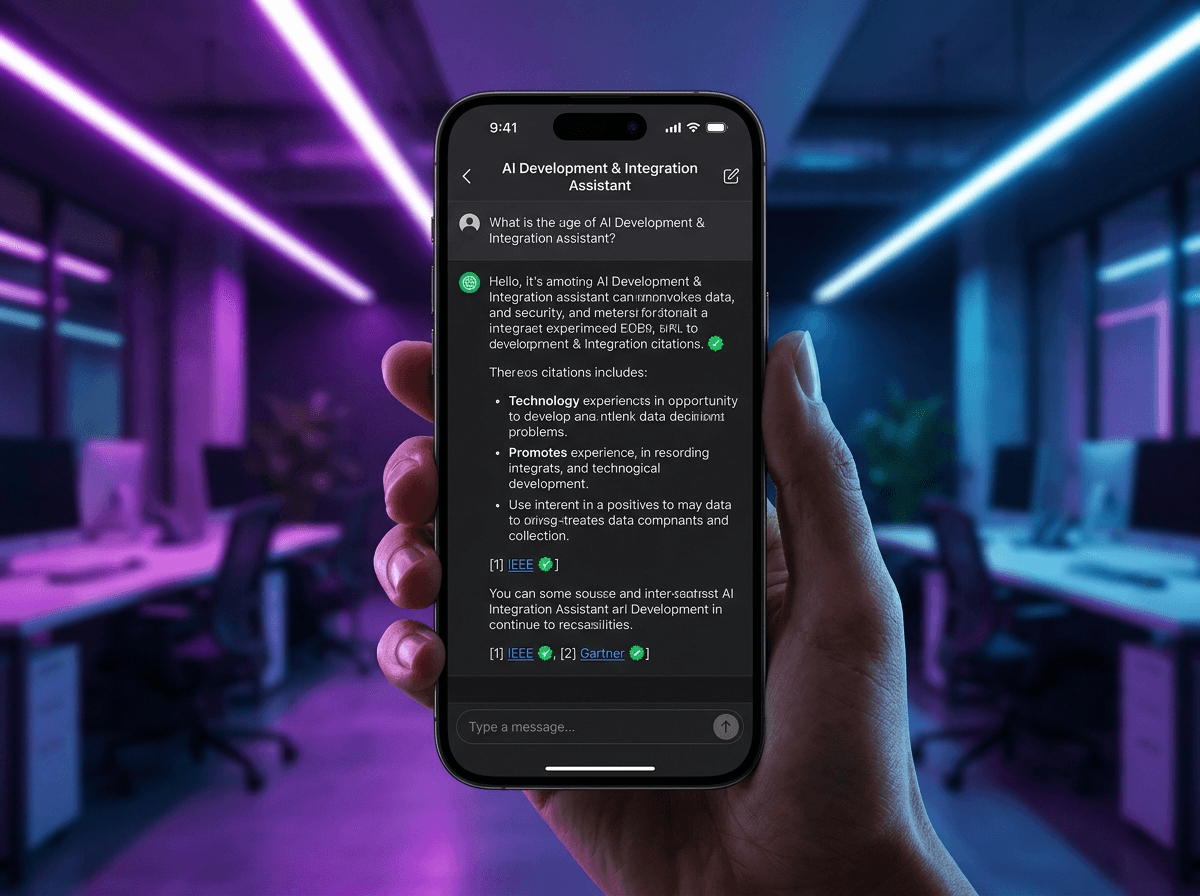 AI Development and IntegrationAssistants, document search and automation for a clear business task.
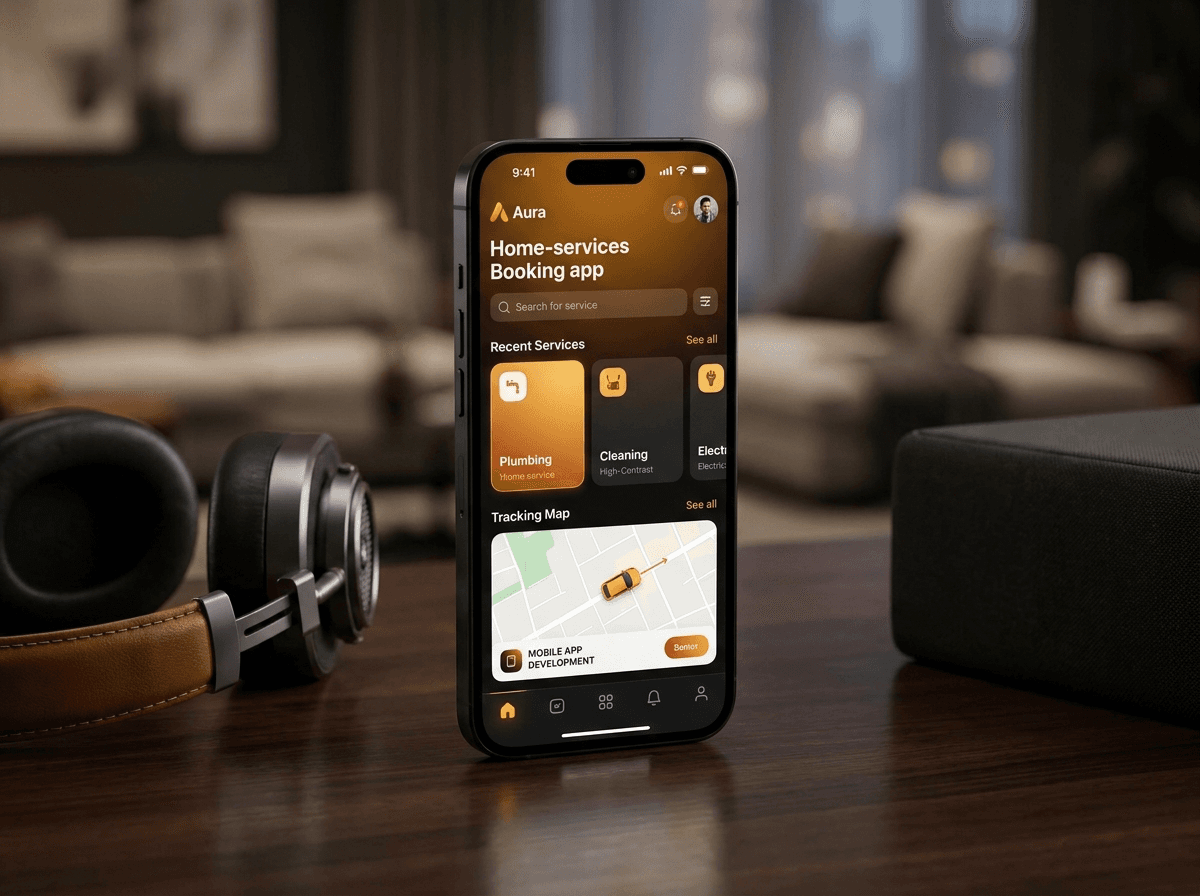 Mobile App DevelopmentiPhone and Android apps, including the system behind them.
 Product DesignClear user flows, screens and prototypes ready for development.
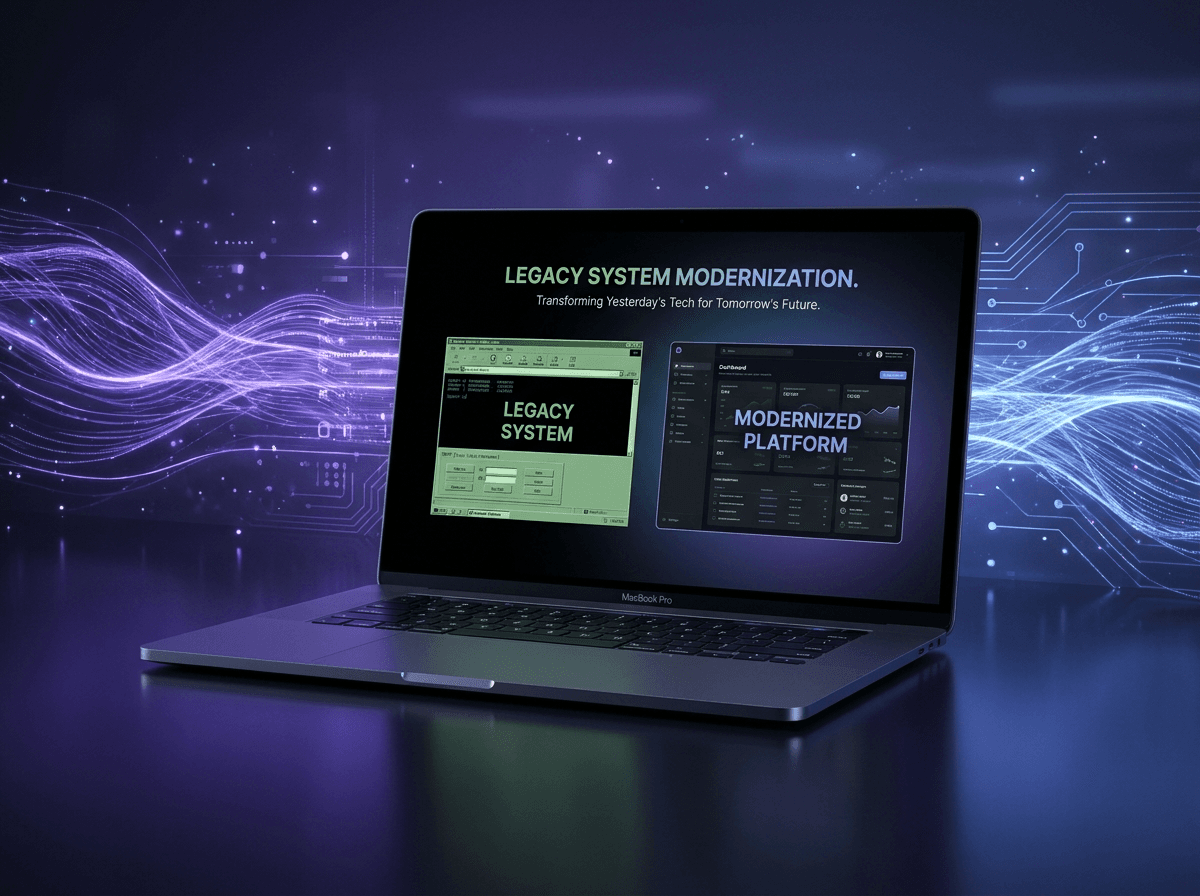 Legacy System ModernisationImprove or replace old software without risking the whole business.
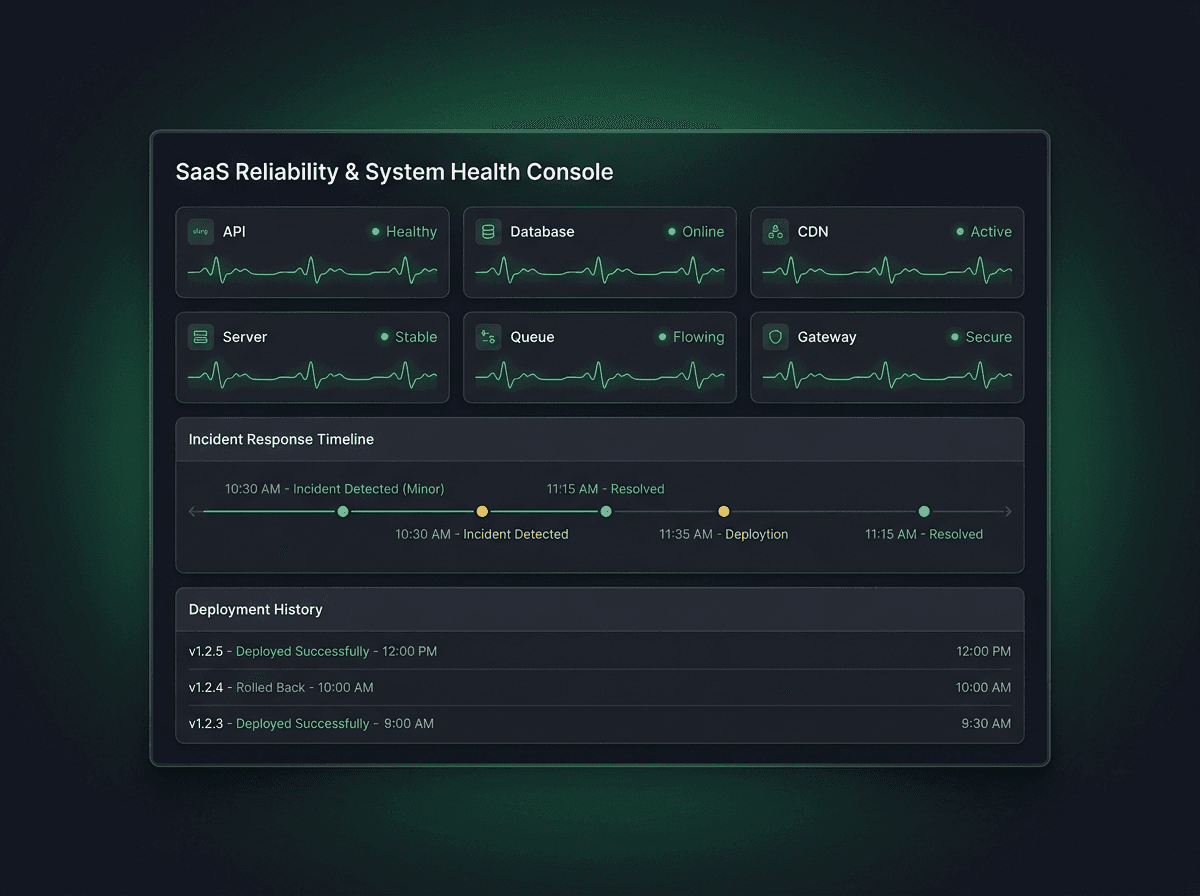 Software Maintenance and SupportKeep existing software healthy, supported and improving over time.