Legacy System Modernisation
Improve old software without risking the business
We look at what the system still does well, where it creates risk and what should change first. The work can be done in stages, with agreed checks before data or users move across.
We assess first, then change the system in agreed stages with checks before switching over.
What’s included
One team from reviewthrough to support
Assessment, risk reduction, migration and support follow one documented plan. The people who assess the system are the same people who change it and look after it afterwards.
System upgrades
Bring old software up to current, supported versions.
Moving off old software
Leave the tool that holds you back, with your data checked across.
Data migration
Move your records with checks agreed first and confirmed before switching over.
Cloud migration
Move off the old server onto supported cloud hosting.
Rebuilds
Rebuild when patching is no longer the sensible option.
Integrations
Connect the old system to the tools you now depend on.
Ongoing support
We keep the updated system healthy after the switch.
What we build
Improve or replace old software in stages, with one team from review to support.
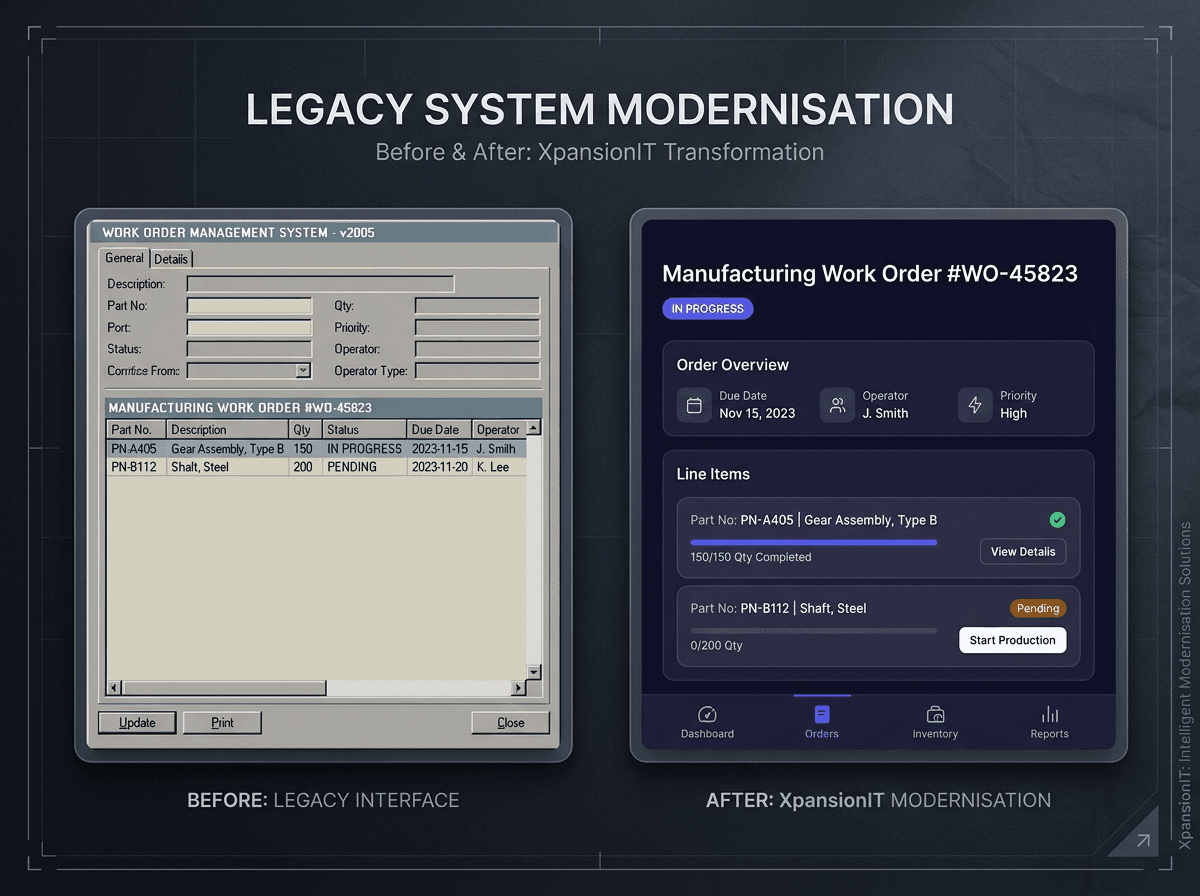 Before & after
A clear assessment before you commit
Written in plain English
How it works, written down
Your business knowledge, recorded
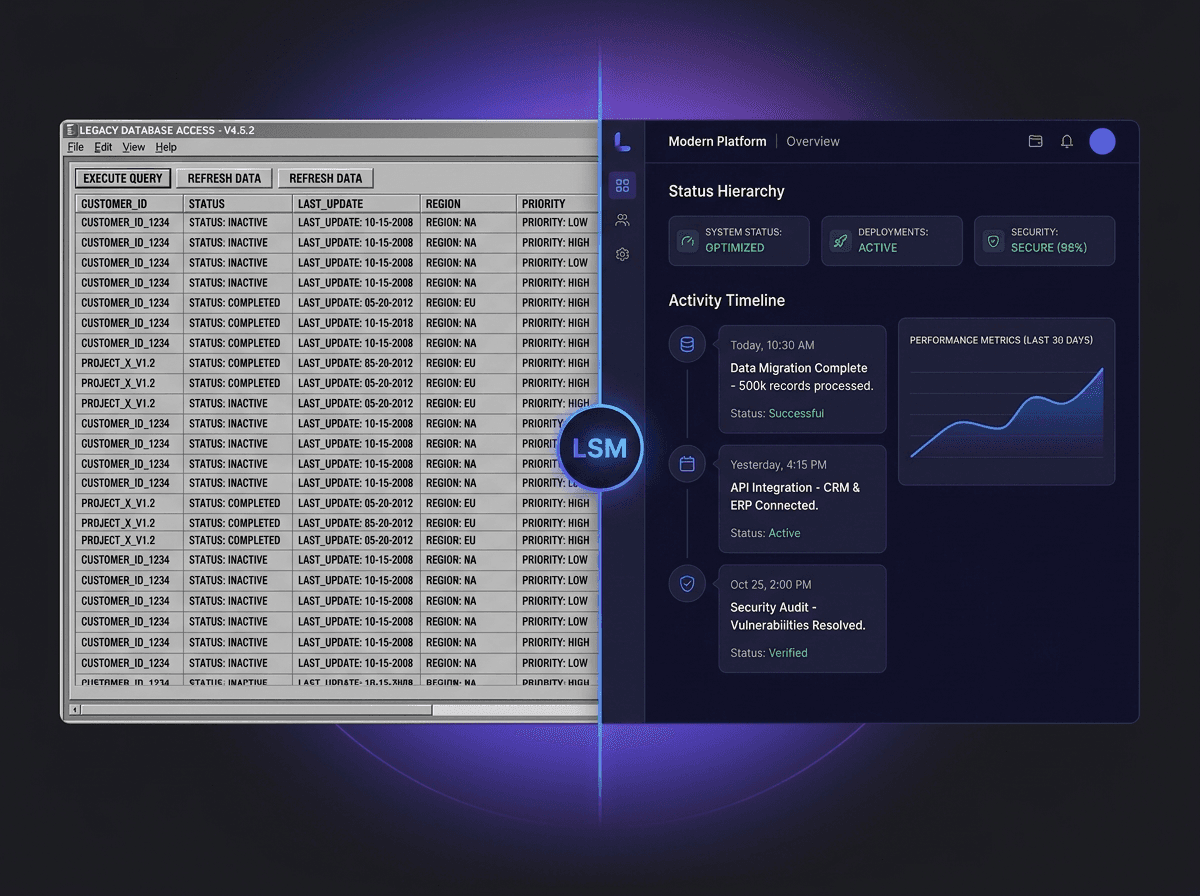 Data moved with checks
A fresher, faster system
Updated one piece at a time
Your data moved with checks
Tested on a copy, totals matched
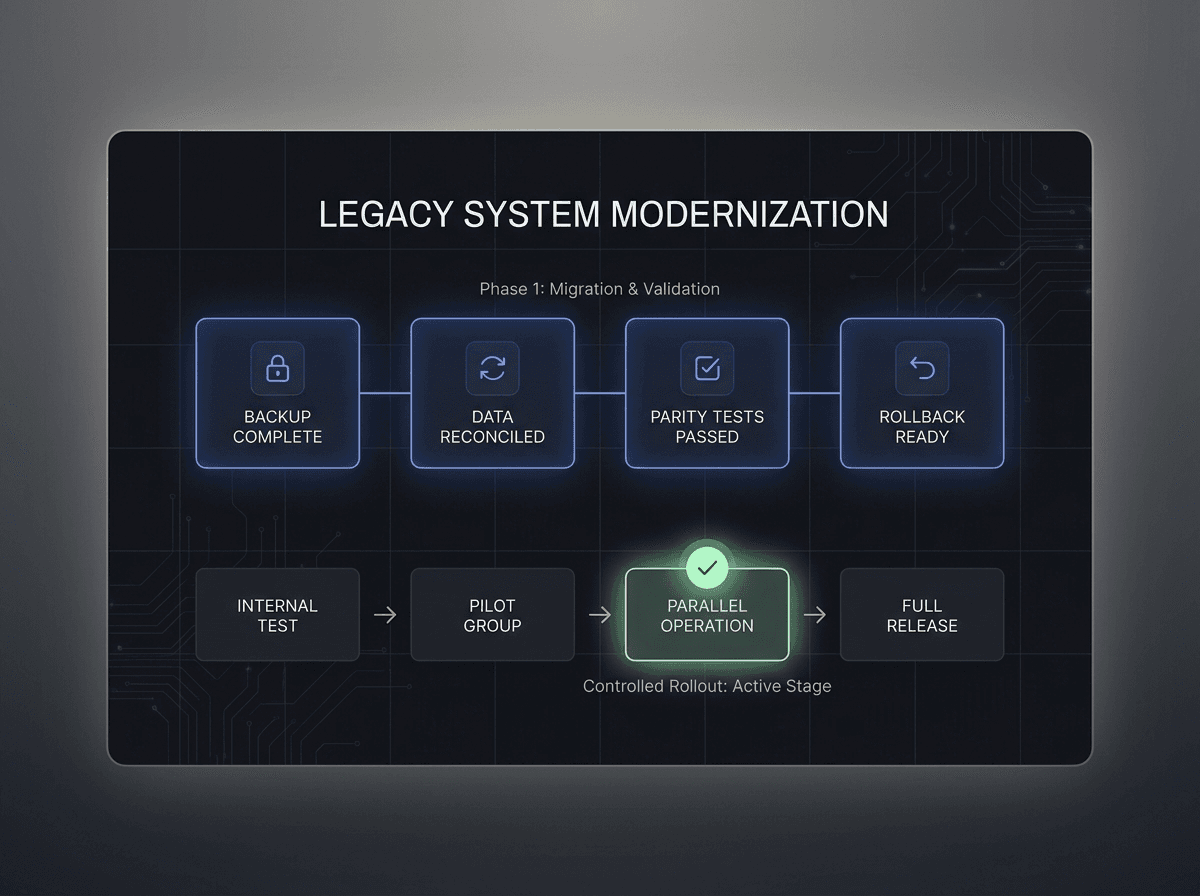 A careful switch-over
Safer and better protected
Fewer known weak points
The free review
What the free review covers
A short conversation about the system, its risks and the possible paths. We tell you whether a deeper assessment is needed. It is not a full code or security audit.
Thinking about a build like this for your business?
Tech stack
The tools we build it on.
We choose tools that fit the job and are easy to maintain.
- TypeScript
- Next.js
- Node.js
- Python
- PostgreSQL
- Docker
- Kubernetes
- Terraform
- Google Cloud
- Zapier
- GitHub Actions
- Grafana
Two ways forward
Patch it, gamble on a big switch, or stage it
Most businesses either keep patching around the old system or replace everything in one risky cutover. We assess first, protect what still works and change the rest in stages, each checked before going live.
Keeping an old system alive with daily workarounds
A system that does the same job without the workarounds your team has learned to live with.
A rip-and-replace that stops everything at once
A staged, documented plan that keeps the business running throughout.
Critical knowledge locked in one person's head
A system documented and owned by you, not held together by one supplier.
Software that cannot keep up with where you are going
A foundation that can be extended as the business changes, with the risks understood first.
How we work
A clear path from first message to launch.
The same process every time, adapted where the work needs it. You see progress at every step.
- 01
Phase 01
Free review
A conversation about the system, its risks and the possible paths. We tell you whether a deeper assessment is needed before proposing changes.
- 02
Phase 02
Assess and make it safe
Where needed, a paid assessment of how the system works and where it is fragile. We close off the biggest risks first.
- 03
Phase 03
Capture how it works
Where nothing was written down, we record what the system does today so each change can be checked against known behaviour.
- 04
Phase 04
Change it in stages
We update one part at a time while it keeps running, with old and new side by side. Each stage is priced before it starts.
- 05
Phase 05
Move and support
We agree the checks first, test the move where possible and confirm the results before switching over. Then we stay on to keep it healthy.
Before you enquire
What owners of old systems ask us first.
If yours is not here, just ask. A real person replies within one business day.
Usually fix what you have. The old system holds years of how your business works, most of it never written down. We only suggest a full rebuild when the assessment shows keeping the old one would cost more, and we show the reasoning first.
In most cases, no. We update the system in stages while it keeps running, often with old and new side by side. If a short pause is unavoidable, we plan and rehearse it in advance.
That is the first thing we deal with. We confirm a working backup exists before anything changes. Then we agree the checks first, test the move where possible and confirm the results before switching over.
Yes, and it is a lot of what we do. We read through it, follow how the information flows and write down what it does, including the quiet things everyone relies on. You are no longer relying on one person.
It depends on the state of the system and how much is written down. Unclear systems start with a paid assessment. After that we agree the work and price for each stage before it starts, and explain any change in cost first.
Yes, that is often where we start. We get to know the system first: reading through it, mapping how it is set up, checking backups work and writing down what we find. The code and documentation remain yours.
Ready when you are
Show us what the old system still does well and where it creates risk.
Tell us what the old system still does well and where it causes trouble. We will help identify the safest next step.
Explore
The rest of what we do.
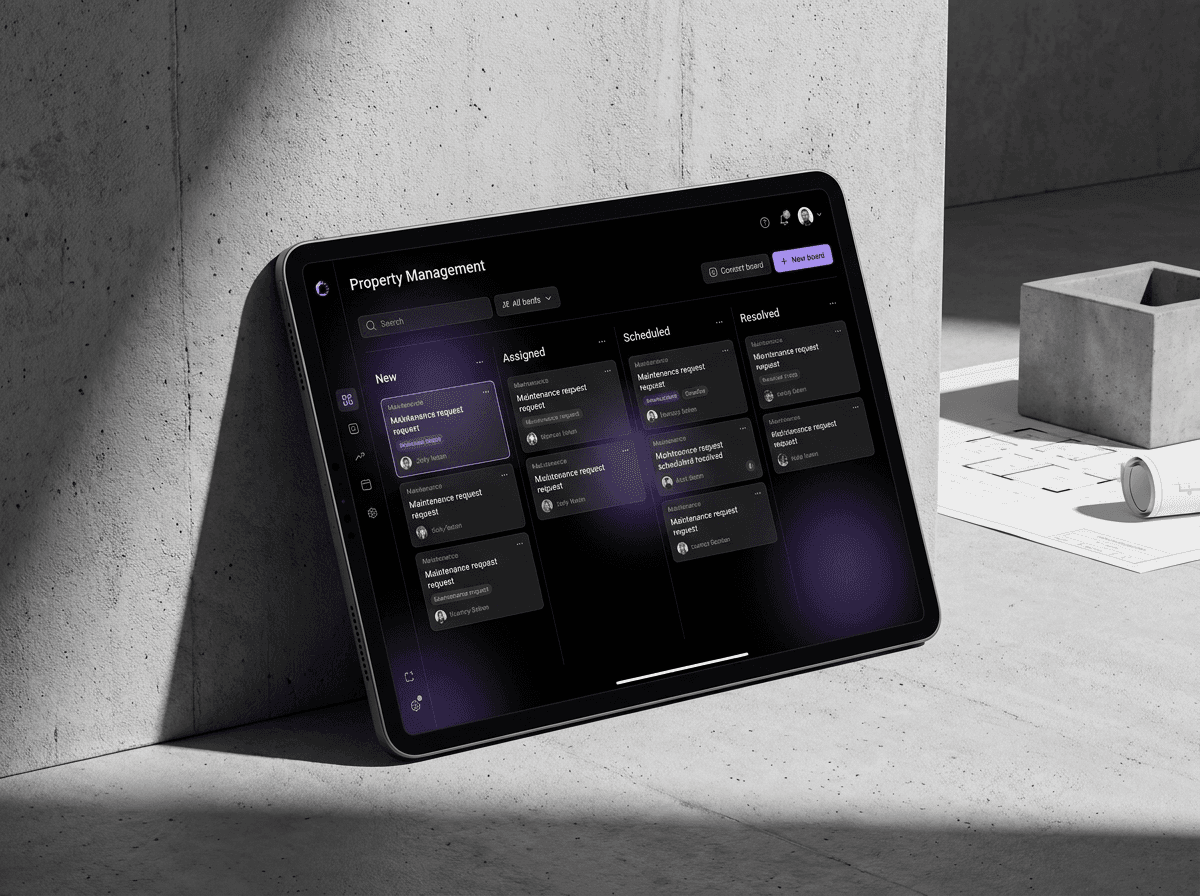 Custom Software DevelopmentSoftware built around a workflow that ready-made tools cannot fit.
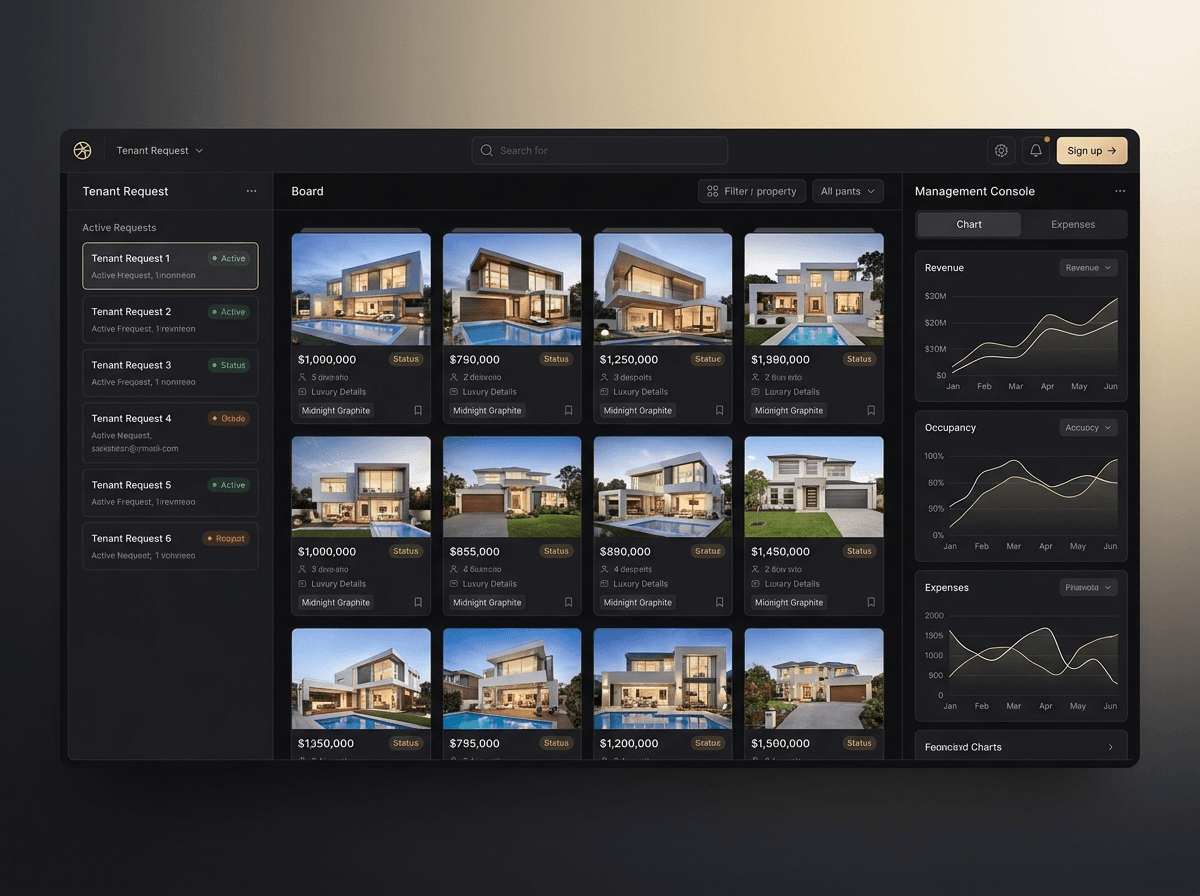 Web Application DevelopmentWebsites, shops, portals and browser-based tools for customers and teams.
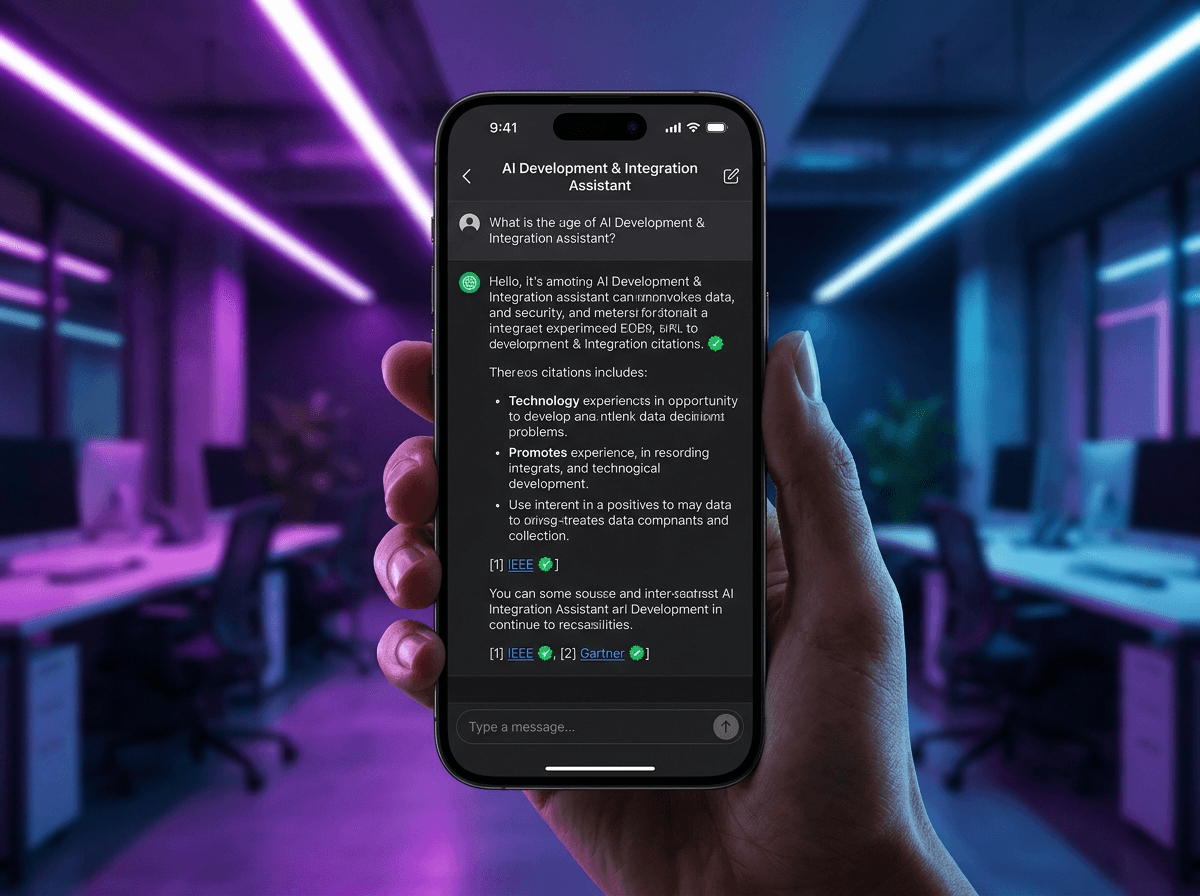 AI Development and IntegrationAssistants, document search and automation for a clear business task.
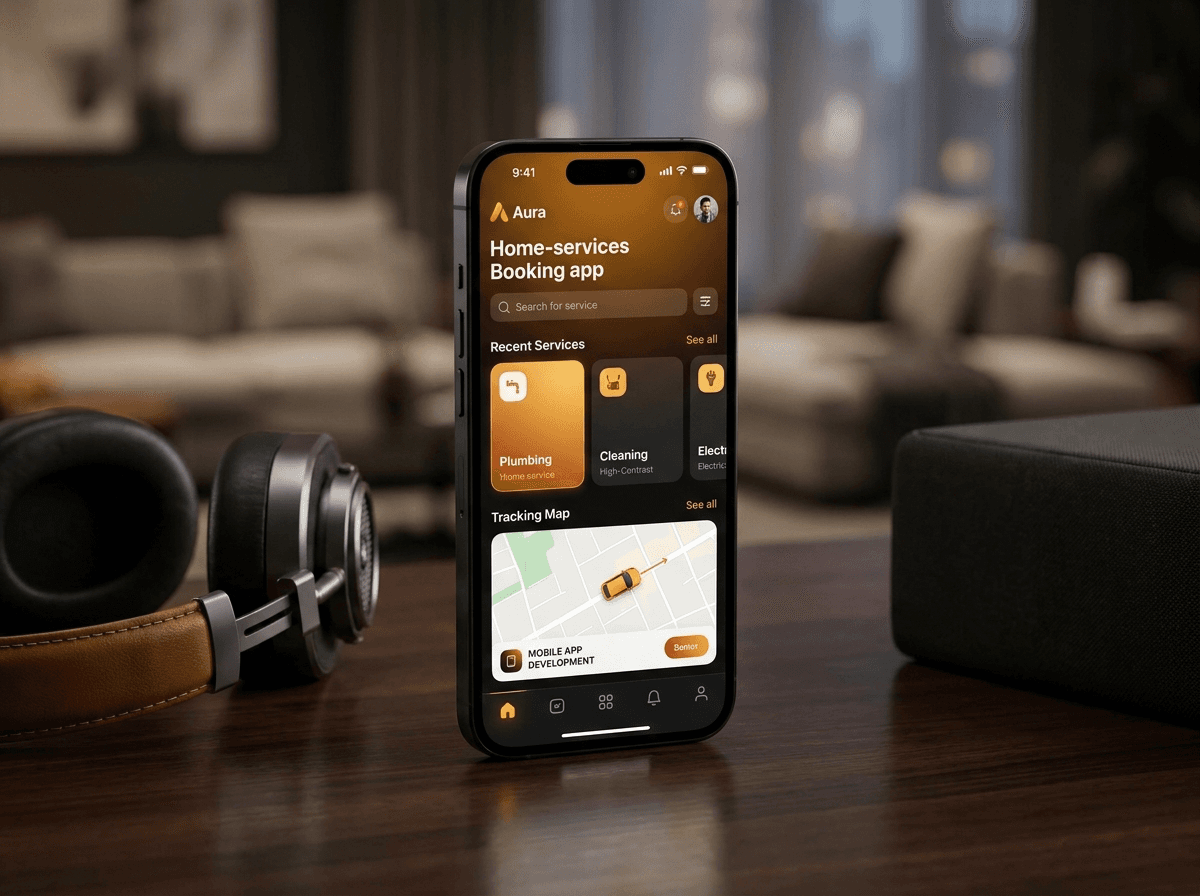 Mobile App DevelopmentiPhone and Android apps, including the system behind them.
 Product DesignClear user flows, screens and prototypes ready for development.
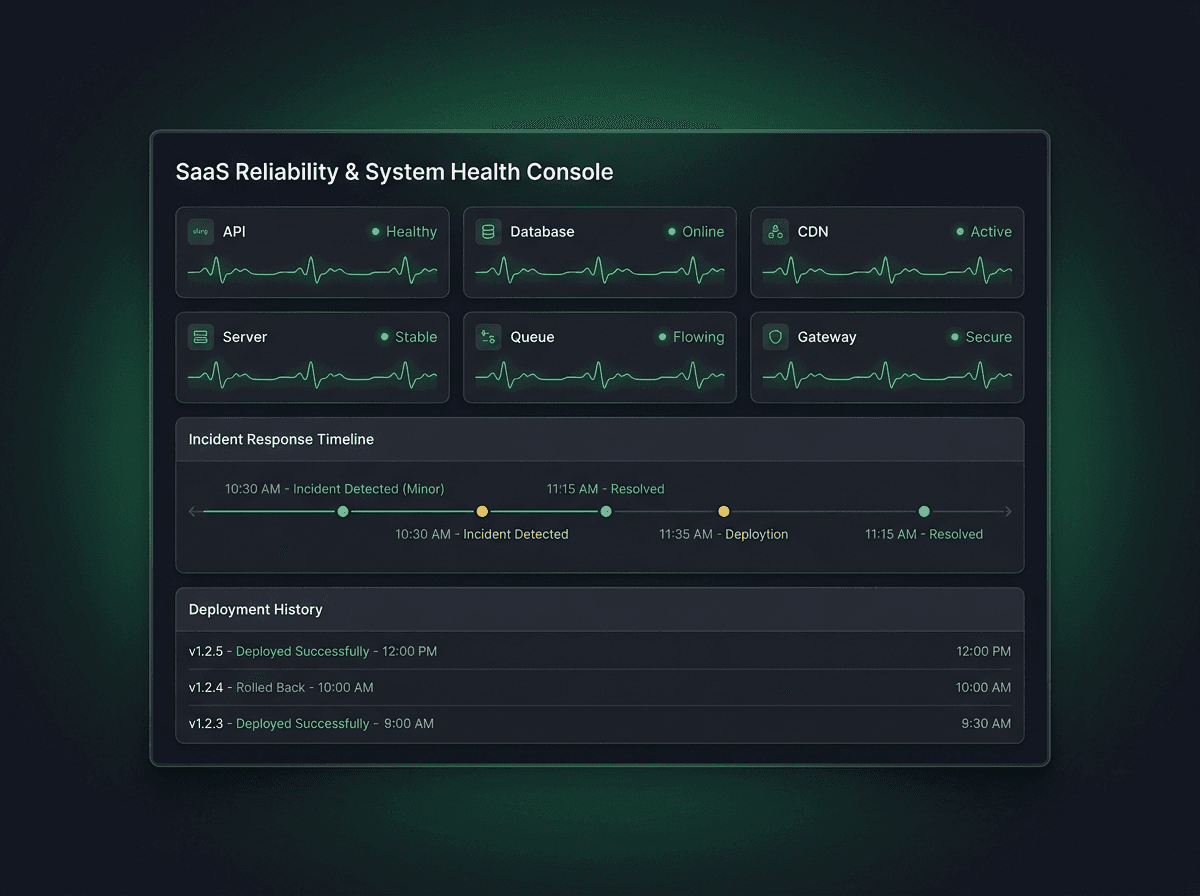 Software Maintenance and SupportKeep existing software healthy, supported and improving over time.