Software Maintenance and Support
Someone to keep your software working
We learn how your website or software works, fix agreed problems, manage updates and help with small improvements. This can include software built by another team if it uses technology we support.
Monitoring, updates, backups, fixes and small improvements for live websites and applications.
What’s included
Fixes, updates and small changesfrom people who know it
We learn how your software works before changing anything. The same people handle updates, backups, fixes and small improvements, so a change in one place does not break another.
Bug fixes
Problems found early, often before anyone reports them, then fixed and explained.
Security updates
Updates applied on a schedule so known weaknesses are closed as fixes appear.
Hosting and monitoring
Automatic checks run all day and night. A person responds in agreed hours.
Speed improvements
Kept quick to load as your visitors and data grow.
Small new features
Improvements added a little at a time, without a big new project.
Backups and recovery
Your data backed up and tested, with a plan if something fails.
Technical SEO upkeep
The site kept healthy so search engines can keep finding it.
What we build
Fixes, updates and small improvements for the software you already rely on.
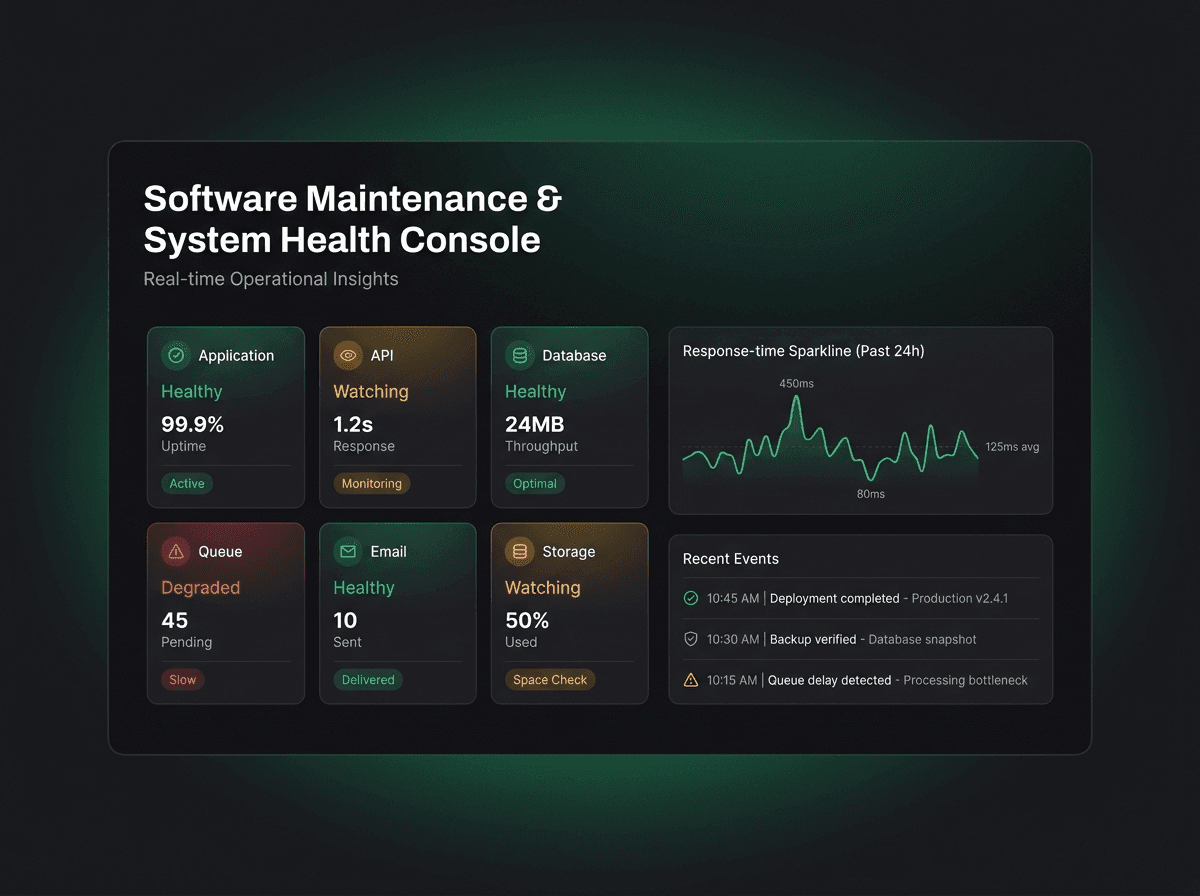 All working
We get to know your system
How it works, who has access, whether backups work
Problems fixed and explained
Reproduce, fix, reduce the chance of it returning
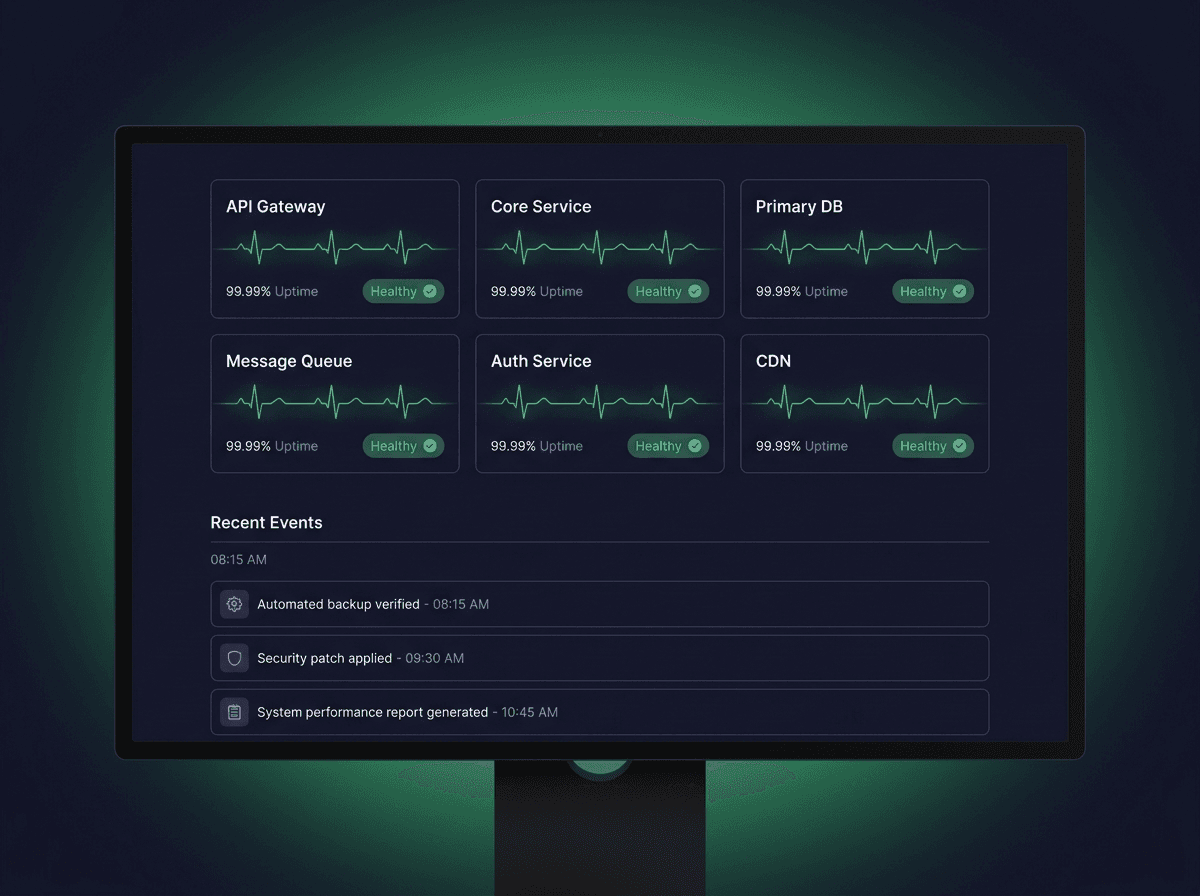 Kept online
Kept up to date
Regular security checks and updates
Automatic checks, all day and night
Is it up, is it fast, is anything failing
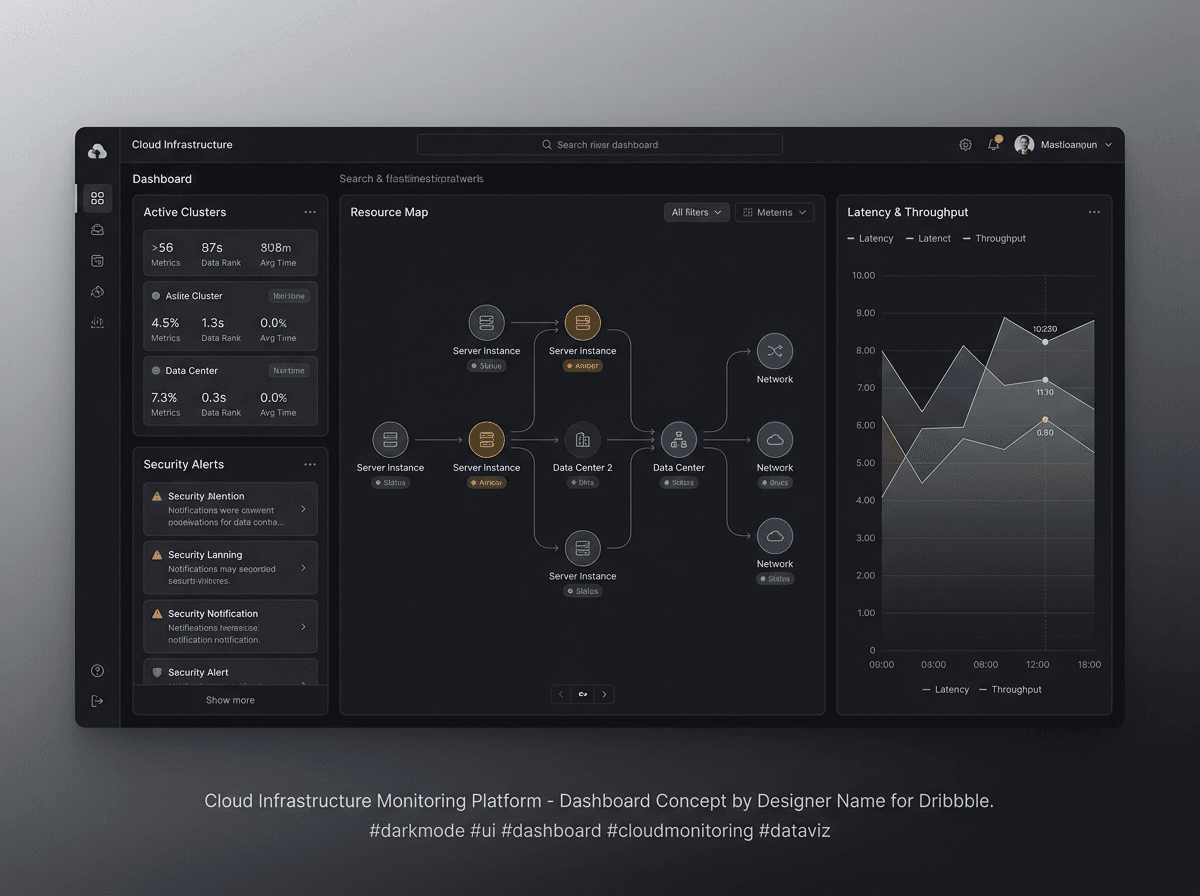 Monitored
Backups that are tested
Backups checked, not taken on faith
Small additions over time
Changes handled from start to finish
Agreed up front
Four things we agree before support starts
What software is covered
Which problems are urgent
When the team responds
What maintenance and small changes are included
Thinking about a build like this for your business?
Tech stack
The tools we build it on.
We choose tools that fit the job and are easy to maintain.
- TypeScript
- Node.js
- PostgreSQL
- Docker
- Snyk
- Sentry
- Grafana
- Datadog
- Cloudflare
- GitHub Actions
- Vercel
How we work
A clear path from first message to launch.
The same process every time, adapted where the work needs it. You see progress at every step.
- 01
Phase 01
Get to know it
We learn how your software works, check the backups can be restored, and tell you plainly what shape it is in.
- 02
Phase 02
Steady it
We deal with the riskiest problems and anything missing first, such as untested backups or overdue updates, so you start on firmer ground.
- 03
Phase 03
Set up the checks
We put automatic monitoring in place for the systems in your plan, if it is not there already, so failures are found early.
- 04
Phase 04
Look after it
Updates, security checks and backups run on a schedule. A person who knows your system responds to problems in the agreed hours.
- 05
Phase 05
Improve it
Small additions and tweaks are delivered steadily, at a pace you can plan around, with each change tested before it goes live.
Before you enquire
The questions business owners usually ask.
If yours is not here, just ask. A person reads every message and replies within one business day.
Yes, that is usually how it starts. We read how it works, check the backups can be restored, and write down what we find. You get that plain picture whether or not you carry on with us.
You do. Code, hosting, domains and accounts stay in your name, and we work with access you grant. If you ever move to another team, everything they need is already yours.
Support is a monthly agreement or agreed one-off work, whichever suits you. We look at what your software needs and set the scope and price with you before anything starts. If the scope changes, we explain the cost before doing the extra work.
Automatic monitoring runs all day and night for the systems in your plan. Our team responds in the agreed hours and priority order. If you need a person outside those hours, that must be written into the agreement.
Yes. Most live software needs a steady trickle of small improvements, and a support arrangement is a sensible way to get them without hiring your own technical staff. Bigger features we scope and quote separately.
Mainly websites and web applications built on common modern tools. If yours is built on something we cannot look after well, we will tell you straight away rather than take on work we cannot do properly.
Ready when you are
Tell us what needs looking after and what keeps going wrong.
We will confirm whether we can support it and what the first review should cover.
Explore
The rest of what we do.
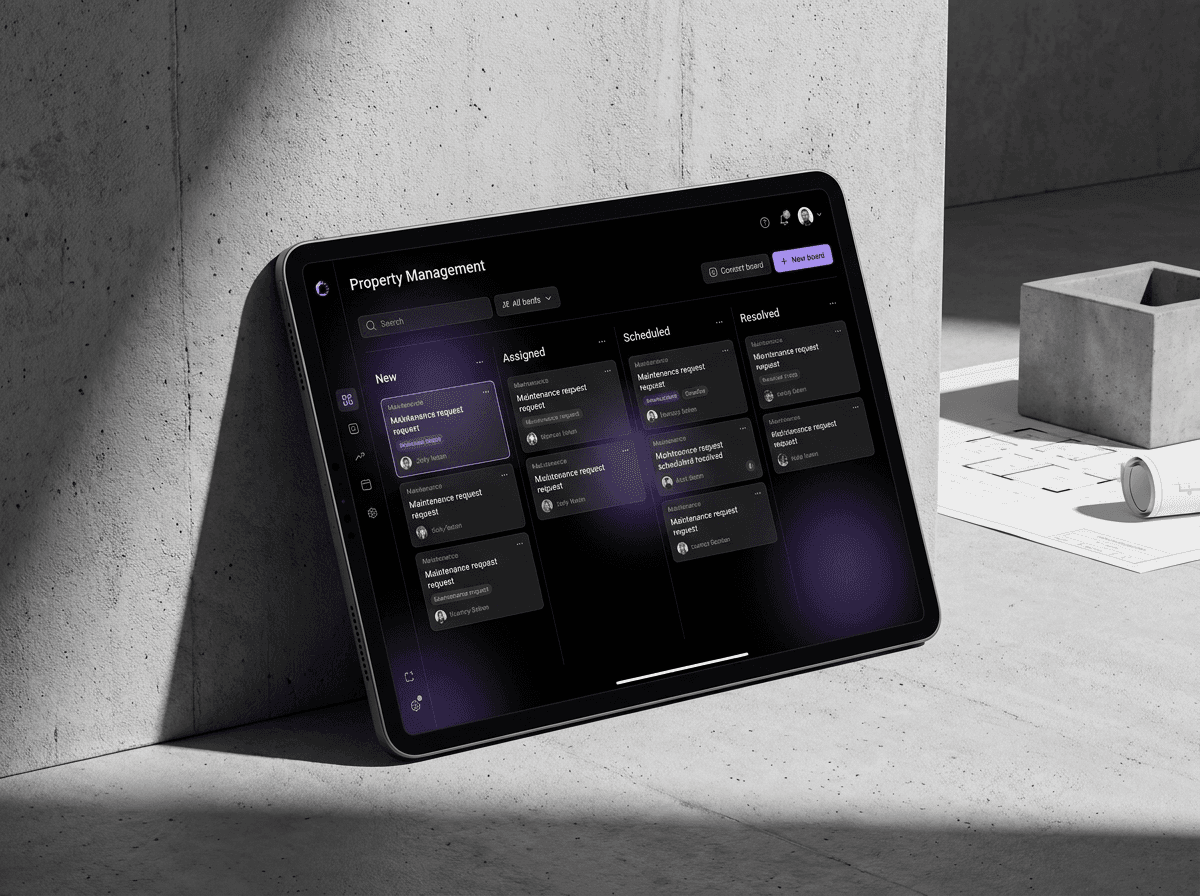 Custom Software DevelopmentSoftware built around a workflow that ready-made tools cannot fit.
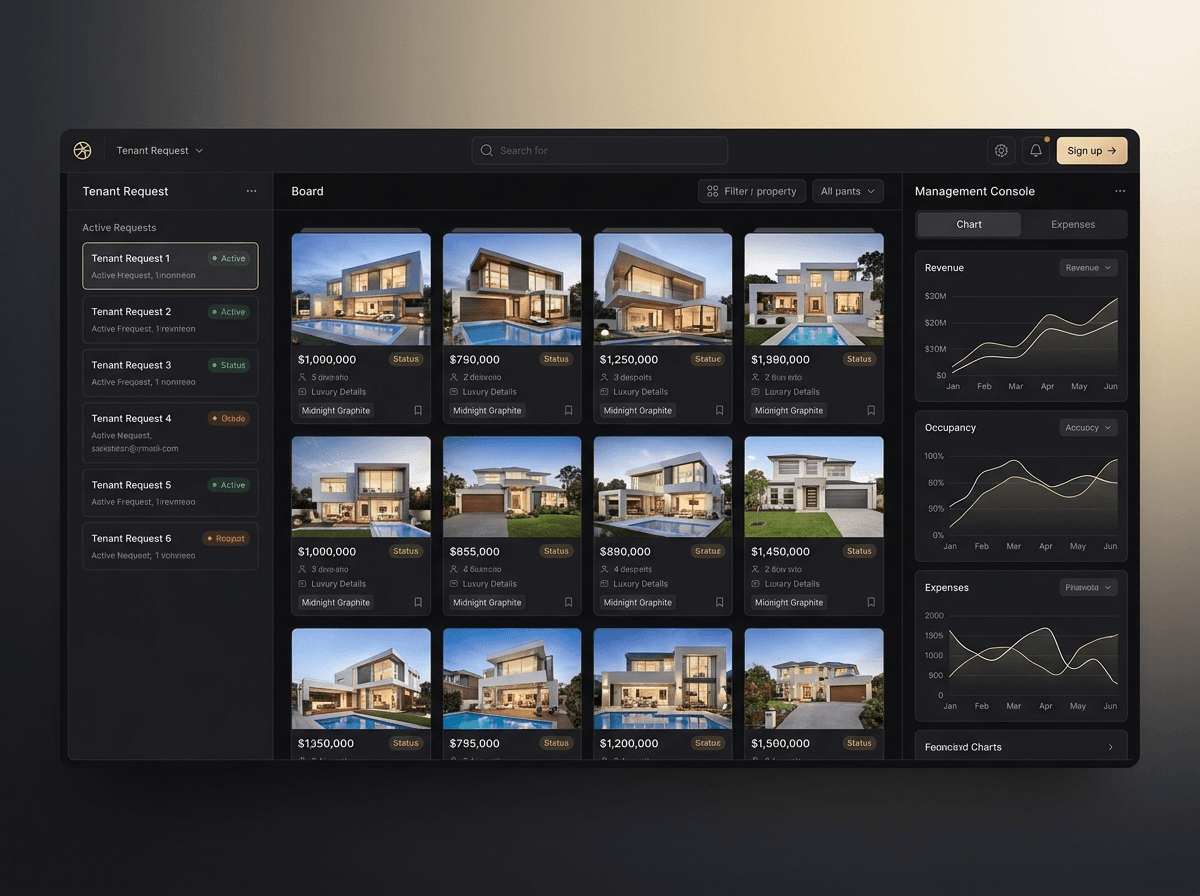 Web Application DevelopmentWebsites, shops, portals and browser-based tools for customers and teams.
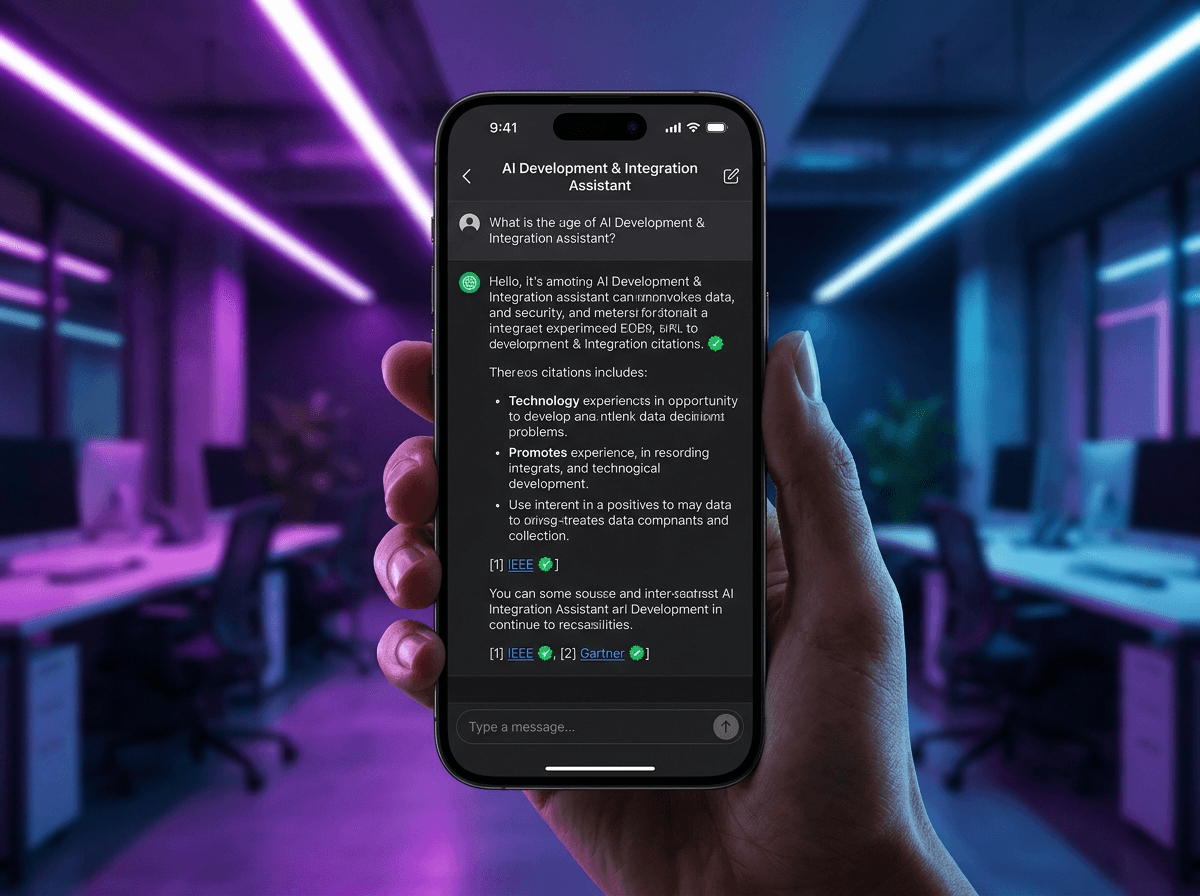 AI Development and IntegrationAssistants, document search and automation for a clear business task.
 Mobile App DevelopmentiPhone and Android apps, including the system behind them.
 Product DesignClear user flows, screens and prototypes ready for development.
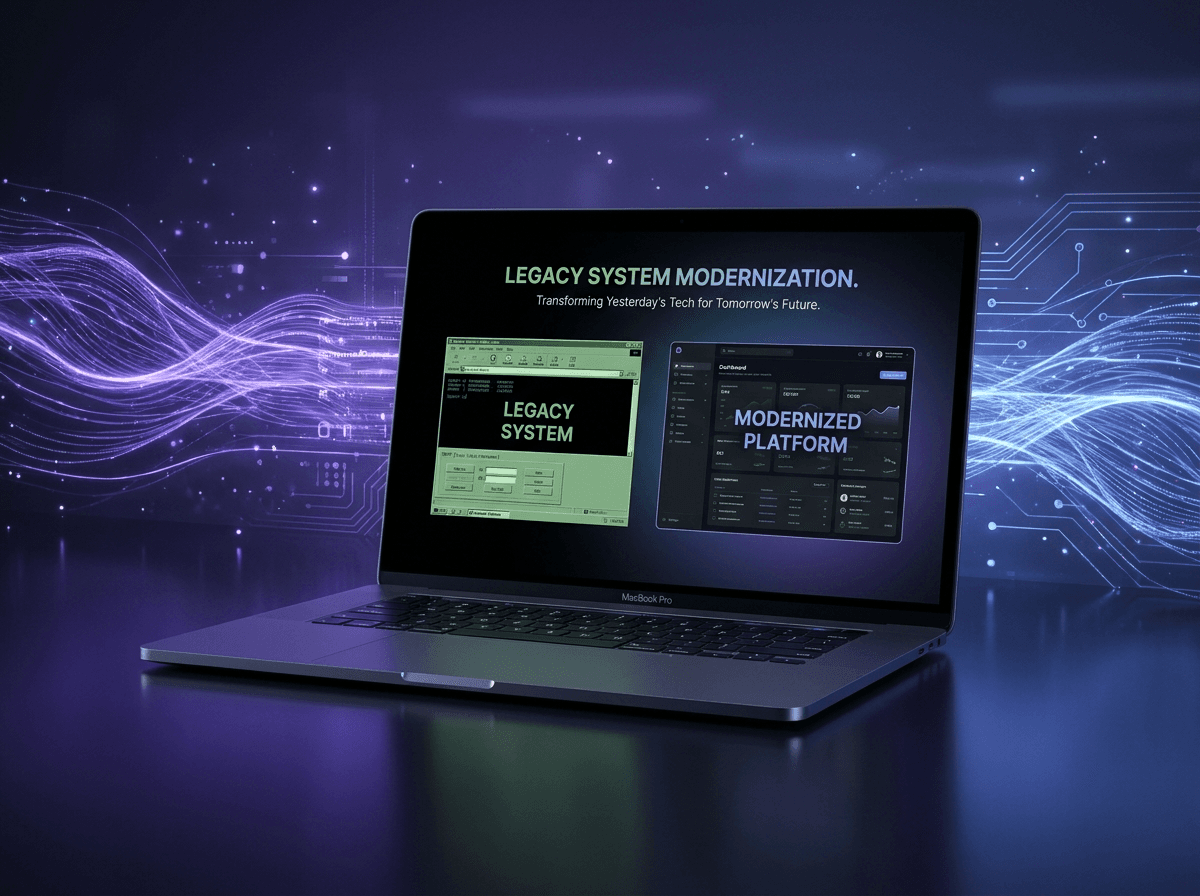 Legacy System ModernisationImprove or replace old software without risking the whole business.