Custom Software Development
Software built to fit how your business works
When ready-made tools cannot do the job, we build software around your workflow. This can include an internal system, customer portal or product you sell. The work is planned, built and supported by one team.
Internal systems, customer portals and software products built for businesses across several industries.
What’s included
What comes withthe build
The people who plan your software also design, build and support it. The reasons behind early decisions stay with the team writing the code, and you deal with the same people throughout.
Business systems
Run the parts of your business that ready-made tools cannot.
Internal tools
Replace the spreadsheets and manual steps your team works around daily.
SaaS products
Turn your idea into a product customers sign up to and pay for.
Workflow automation
Hand repeated jobs to the software, with sign-off kept where it matters.
Integrations
Connect the tools you already use so information is entered once.
Dashboards and reporting
See how the business is doing from live data, at a glance.
Data migration
Move your records off old systems, checked against agreed tests before switching.
Ongoing support
We stay on to keep it running and improve it over time.
What we build
Software built around the way your business works when ready-made tools cannot fit.
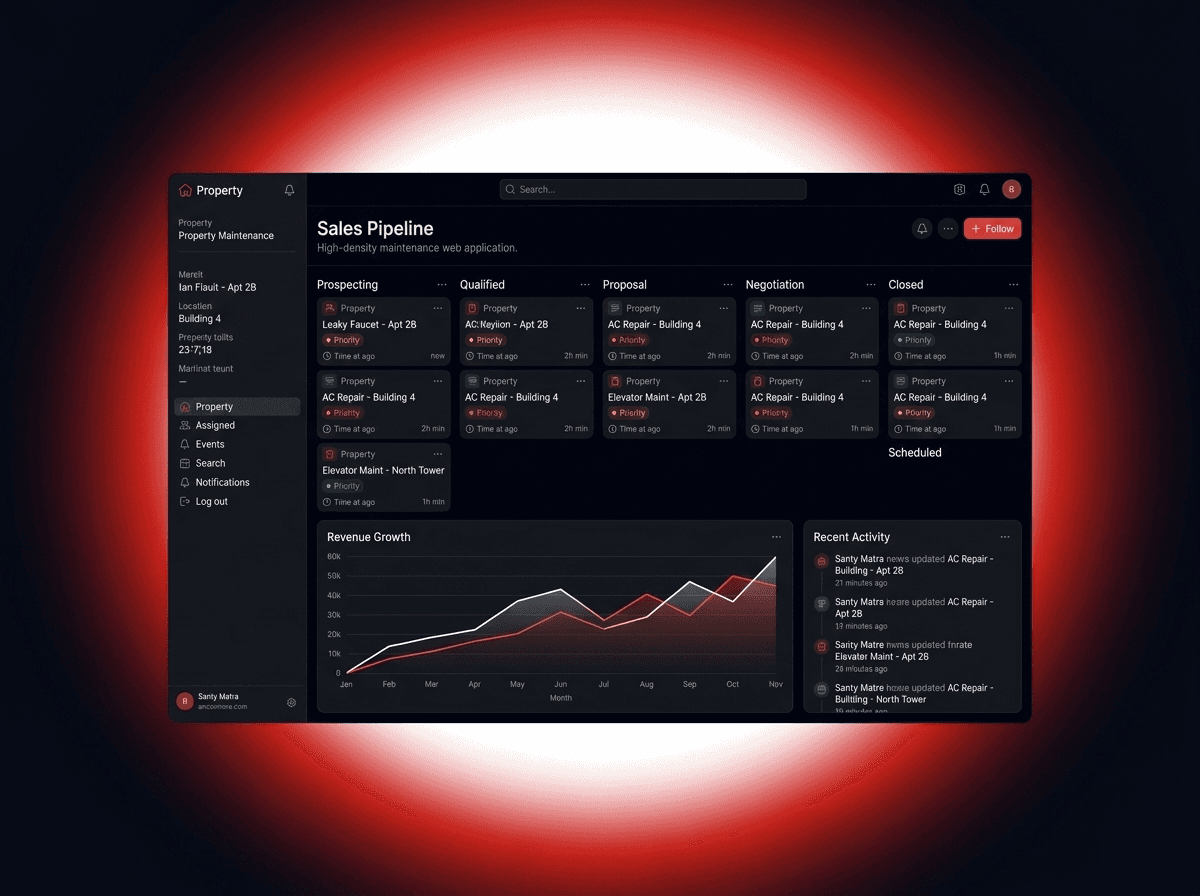 Sales pipeline
Products you can sell to customers
Each customer's data kept private and separate
The system your team runs on
Your workflow, with the right access for each person
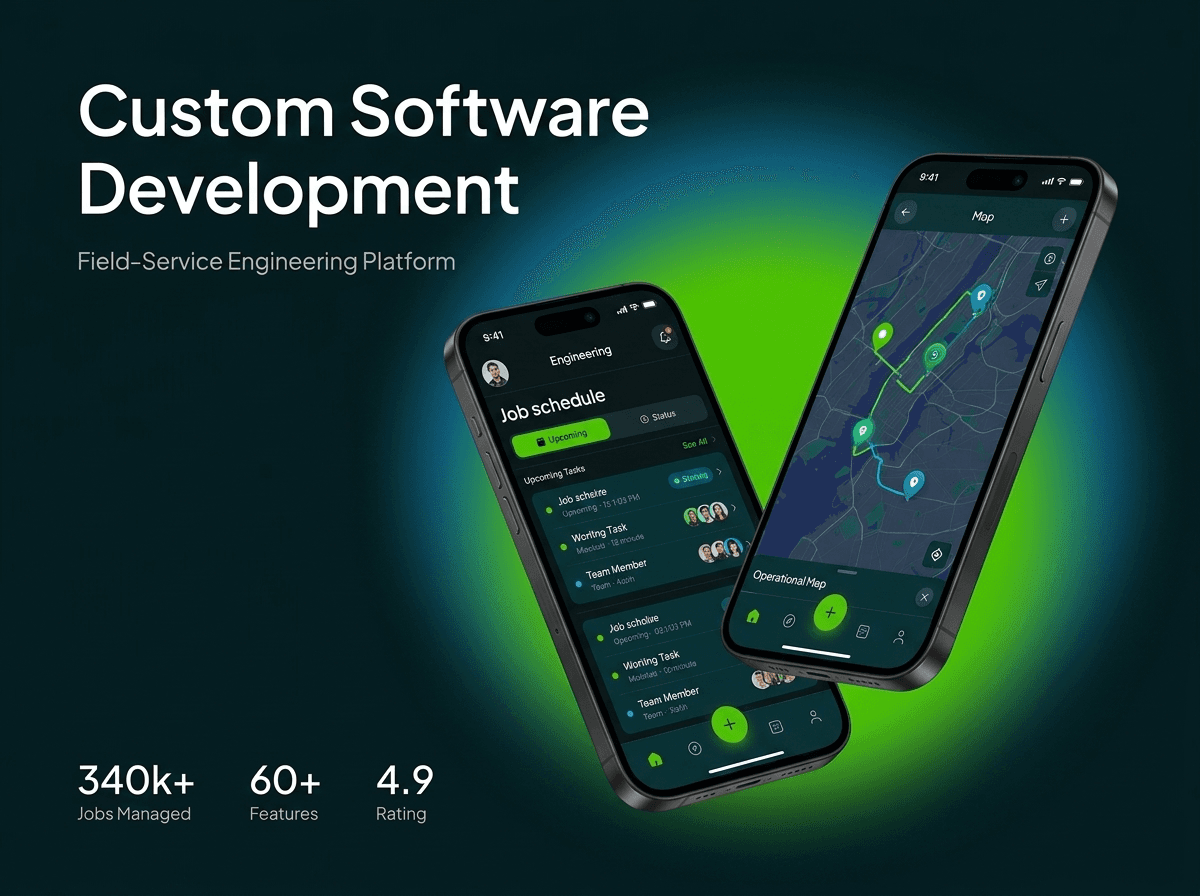 Job scheduling app
A login for your customers
Self-serve updates and requests
Billing that runs on schedule
Subscriptions, deposits, refunds, receipts, tax
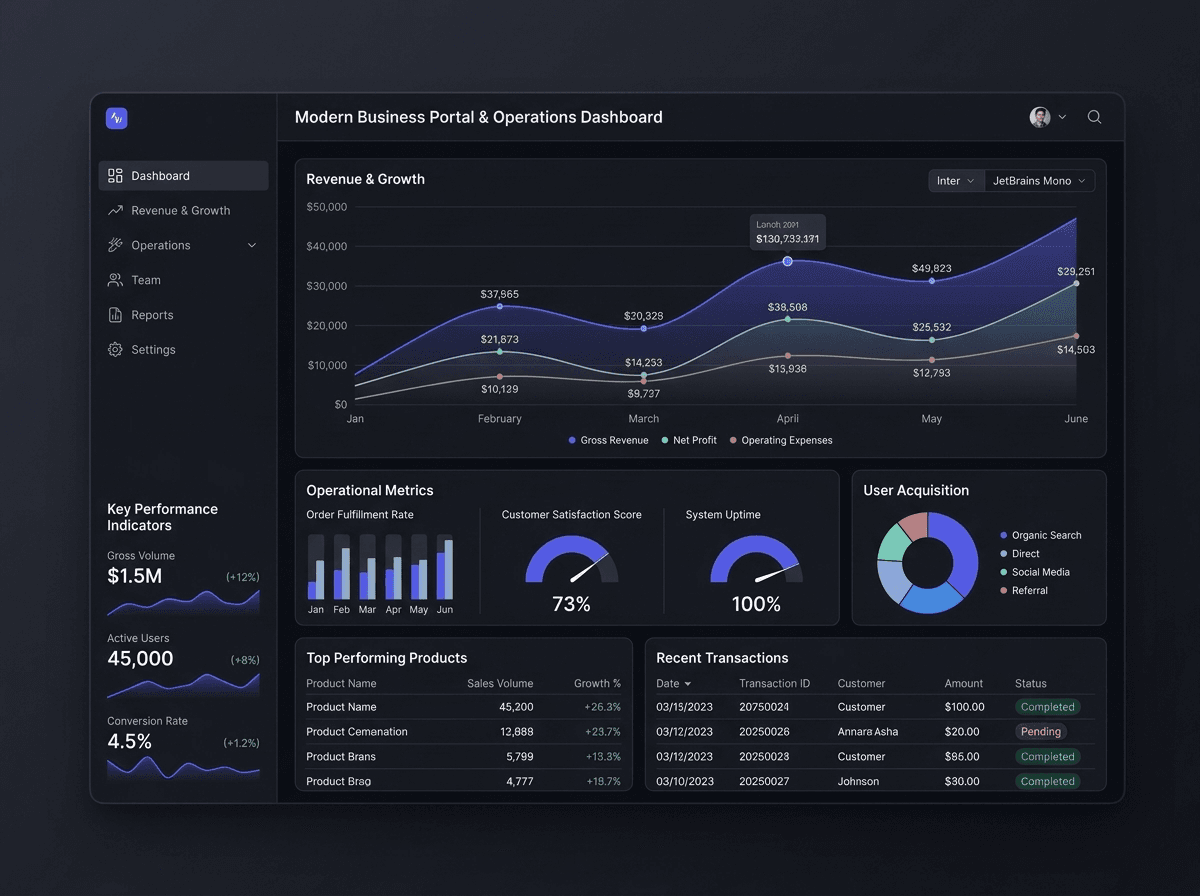 Job board
Your tools, connected
Entered once, shared between systems
Your history brought across
Rehearsed first, checks confirmed
When it makes sense
When custom software makes sense
Your team depends on spreadsheets and repeated manual work.
The same information is copied between several systems.
Customers need a portal built around your service.
You want to launch a software product.
Proof
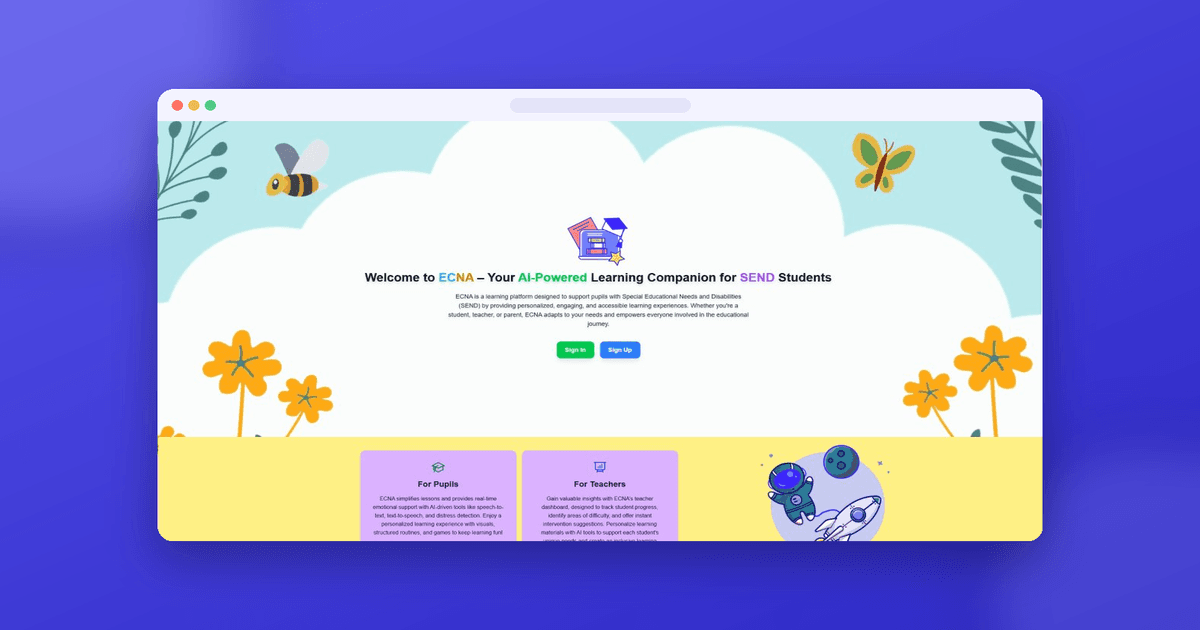 ECNA
ECNAECNA: Adaptive AI Learning Companion
An AI learning platform that adapts the national curriculum to how each SEND pupil learns, communicates, and manages emotion.
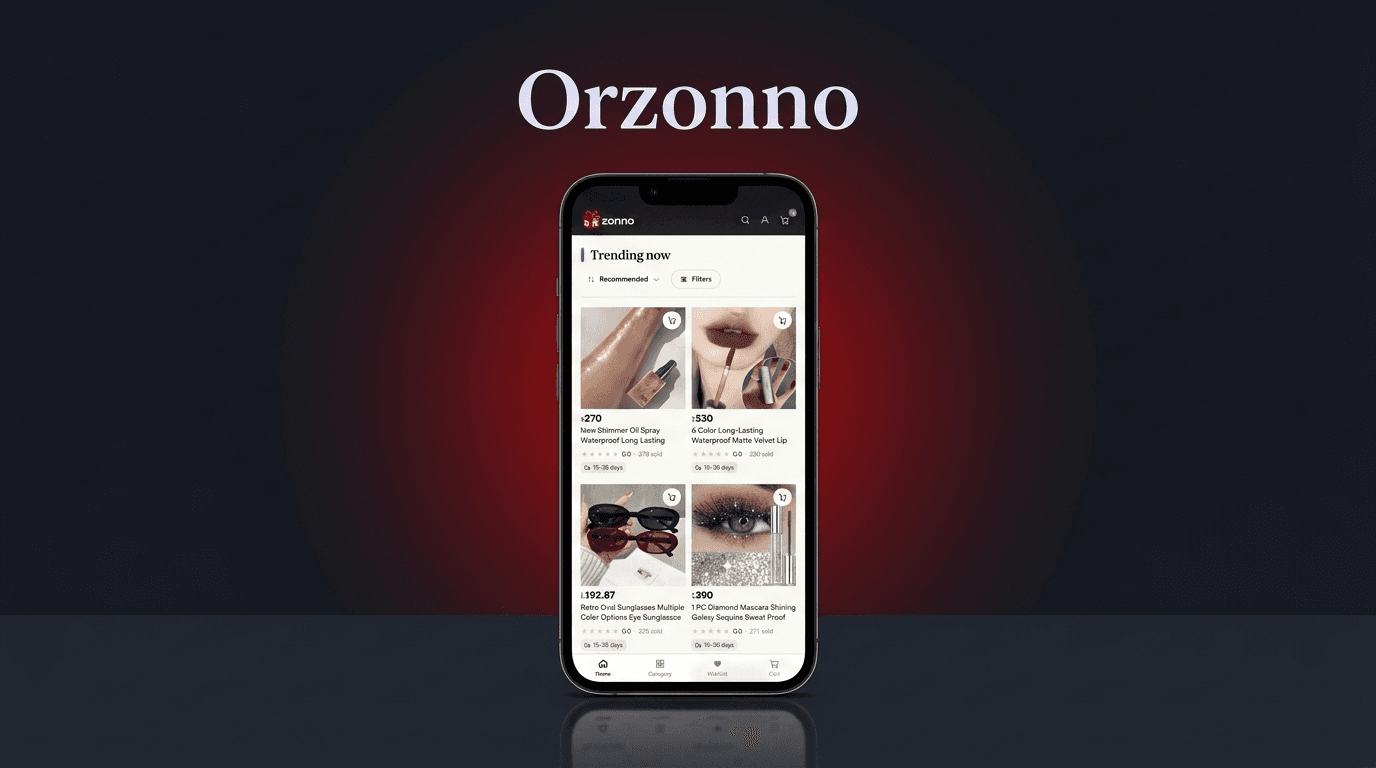 Orzonno
Orzonno: Custom E-commerce Platform
A custom commerce platform connecting product discovery, verified checkout, content management, and order fulfilment.
Thinking about a build like this for your business?
Tech stack
The tools we build it on.
We choose tools that fit the job and are easy to maintain.
- TypeScript
- Next.js
- React
- Node.js
- Python
- PostgreSQL
- Prisma
- GraphQL
- n8n
- Grafana
- Stripe
- Vercel
Ready-made or custom
Where ready-made software stops and custom begins
Most businesses run on subscriptions, spreadsheets and workarounds, and for many that is the right answer. This comparison is for when the workaround has become the job.
Bending your business to fit rigid ready-made software
Software shaped around how you already work, so your team stops fighting the tool.
Paying every month for hundreds of features you never touch
Only the features your workflow needs, each designed for its job in your business.
Exporting to a spreadsheet every time you need a real report
The exact reports and views your business runs on, ready when you need them.
Waiting on a vendor's roadmap for the change you need
Changes made when your business needs them, not when someone else decides.
How we work
A clear path from first message to launch.
The same process every time, adapted where the work needs it. You see progress at every step.
- 01
Phase 01
First chat
We sit with the people who will use the software every day, so the real needs surface before anyone talks about screens.
- 02
Phase 02
Scope and price
A written scope of what we build and the price, agreed before development starts. If requirements are unclear, we first work them out with you.
- 03
Phase 03
Design
You see the real screens early, drawn with your real information, and can react before anything is built.
- 04
Phase 04
Build
You click through working software at regular checkpoints, so progress is something you can see rather than a report.
- 05
Phase 05
Launch and support
We move your data across, check it against agreed tests, put the system live with a way back if needed, then keep it running.
Before you enquire
The questions business owners usually ask.
If yours is not here, just ask. A real person reads and answers every message.
When the way you work is a real advantage, or no ready-made product does the job without workarounds that cost more than the tool itself. If a standard tool fits, we will tell you so.
It depends on what the software needs to do, how many people use it and what it connects to. We agree the work and price before development starts, and if the scope changes we explain the cost before doing the extra work.
Usually that is the smart move. A smaller first version (often called an MVP) does the core job first. We build it so it will not need throwing away later, and we are clear about what is kept simple on purpose.
You do, all of it, handed over with plain instructions. If you ever want to move to your own team or another company, nothing in the contract or the software stops you.
Usually, yes. Modern tools are straightforward to connect. Older ones we check first before promising anything. When we move your data across, we rehearse the move and check the records against agreed tests before switching over.
We stay on to keep the software running, fix problems and make improvements as your business changes. The level of support is agreed with you in writing before launch, and there is no lock-in.
Ready when you are
Show us the process that no longer fits your tools.
You do not need a technical plan. Tell us what is slow, repeated or difficult, and we will help define the next sensible step.
Explore
The rest of what we do.
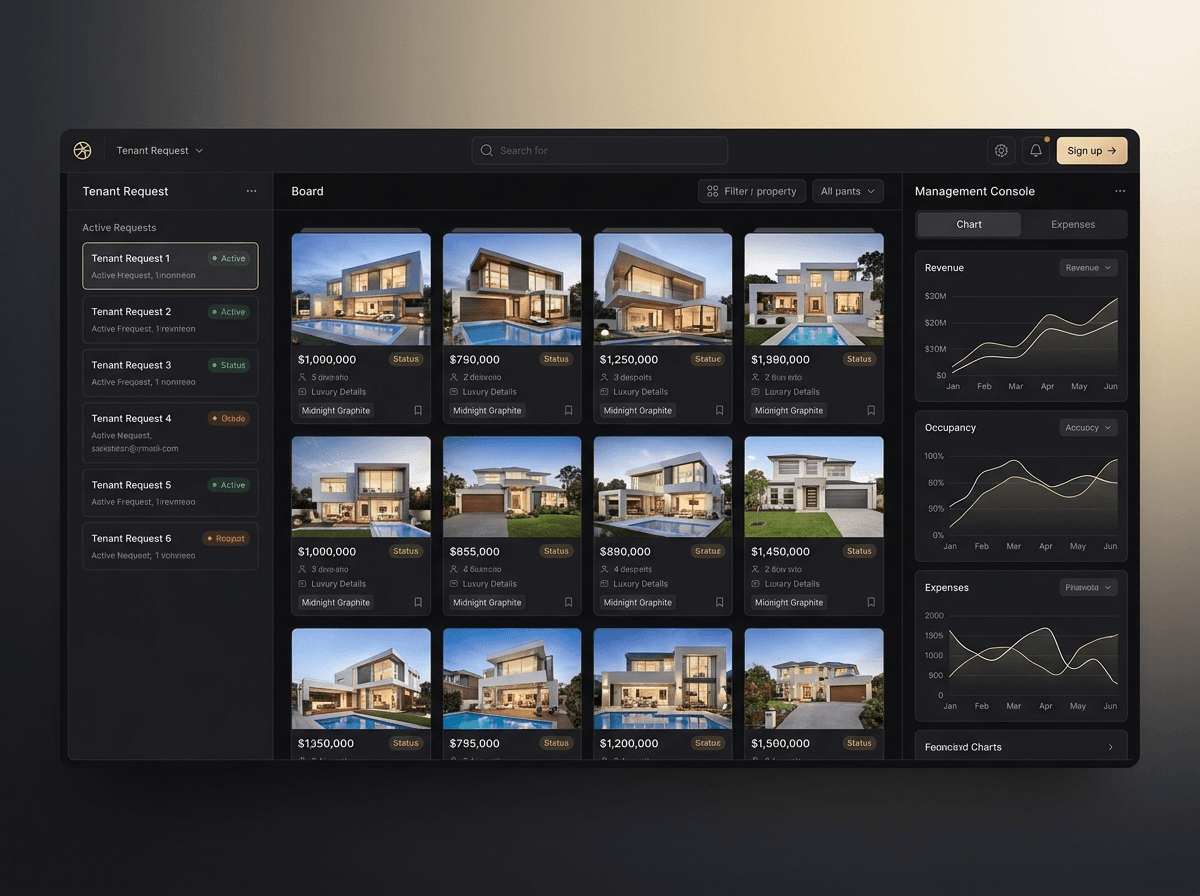 Web Application DevelopmentWebsites, shops, portals and browser-based tools for customers and teams.
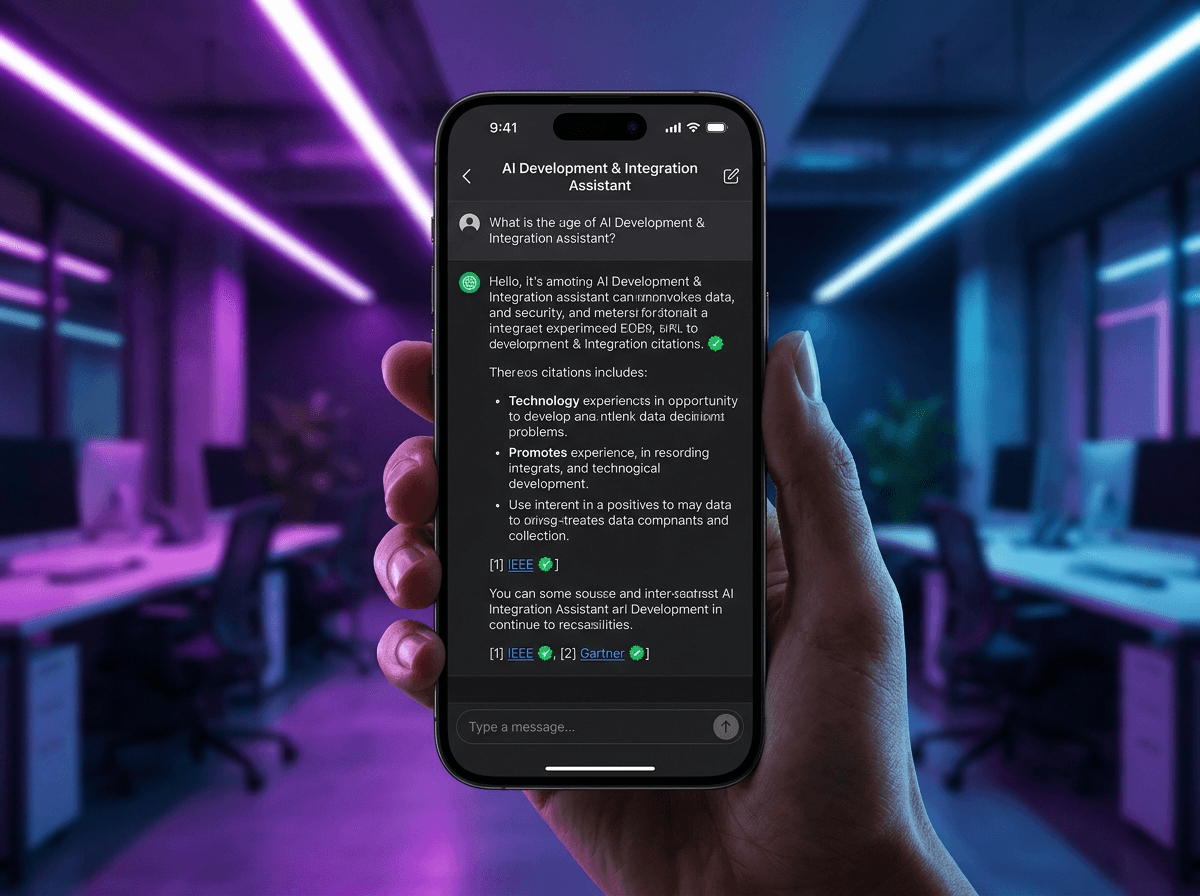 AI Development and IntegrationAssistants, document search and automation for a clear business task.
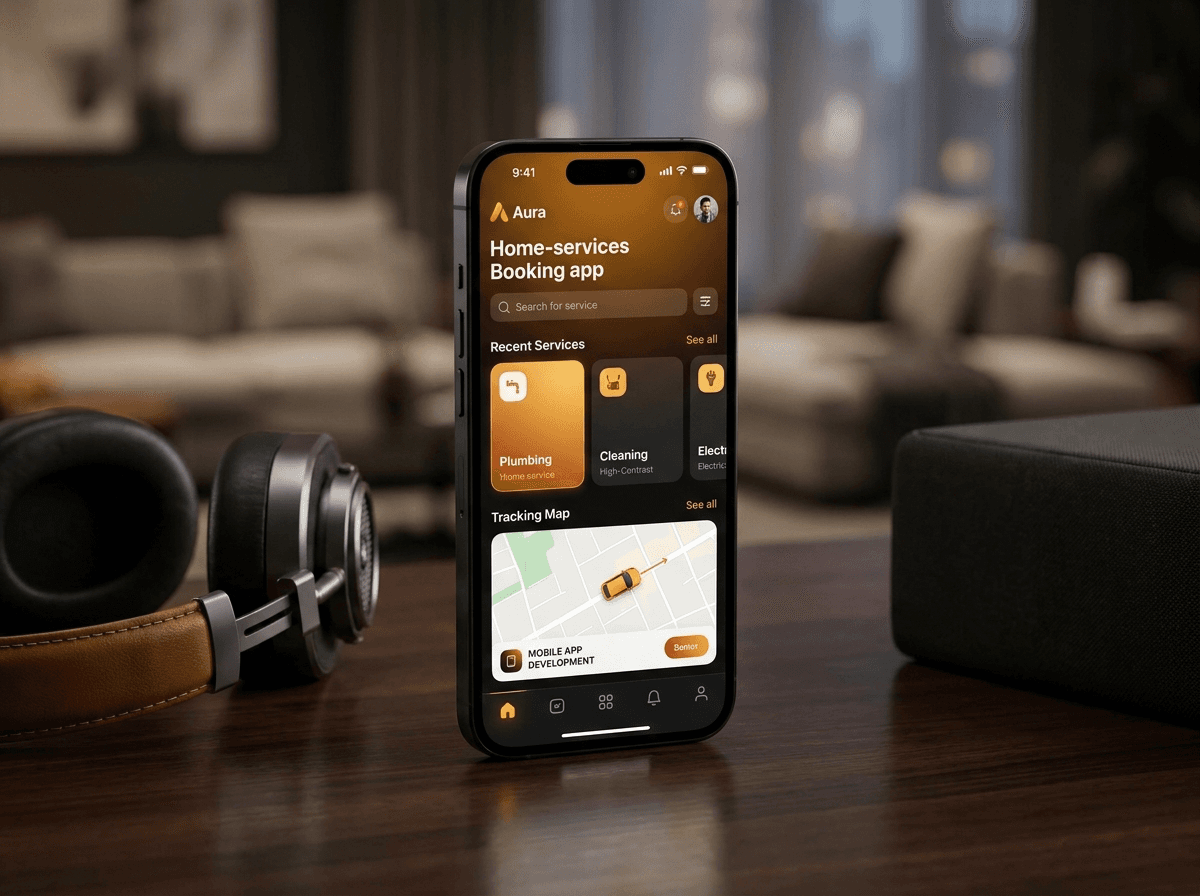 Mobile App DevelopmentiPhone and Android apps, including the system behind them.
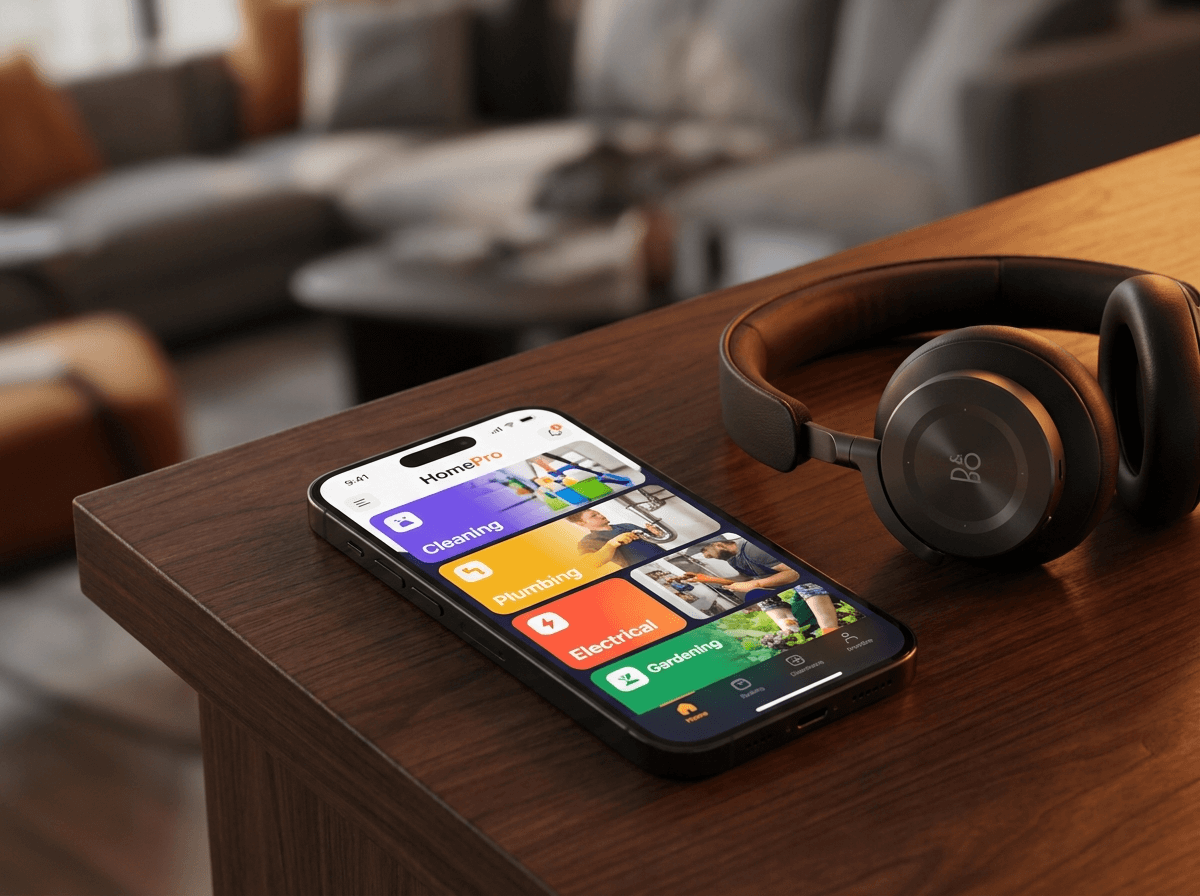 Product DesignClear user flows, screens and prototypes ready for development.
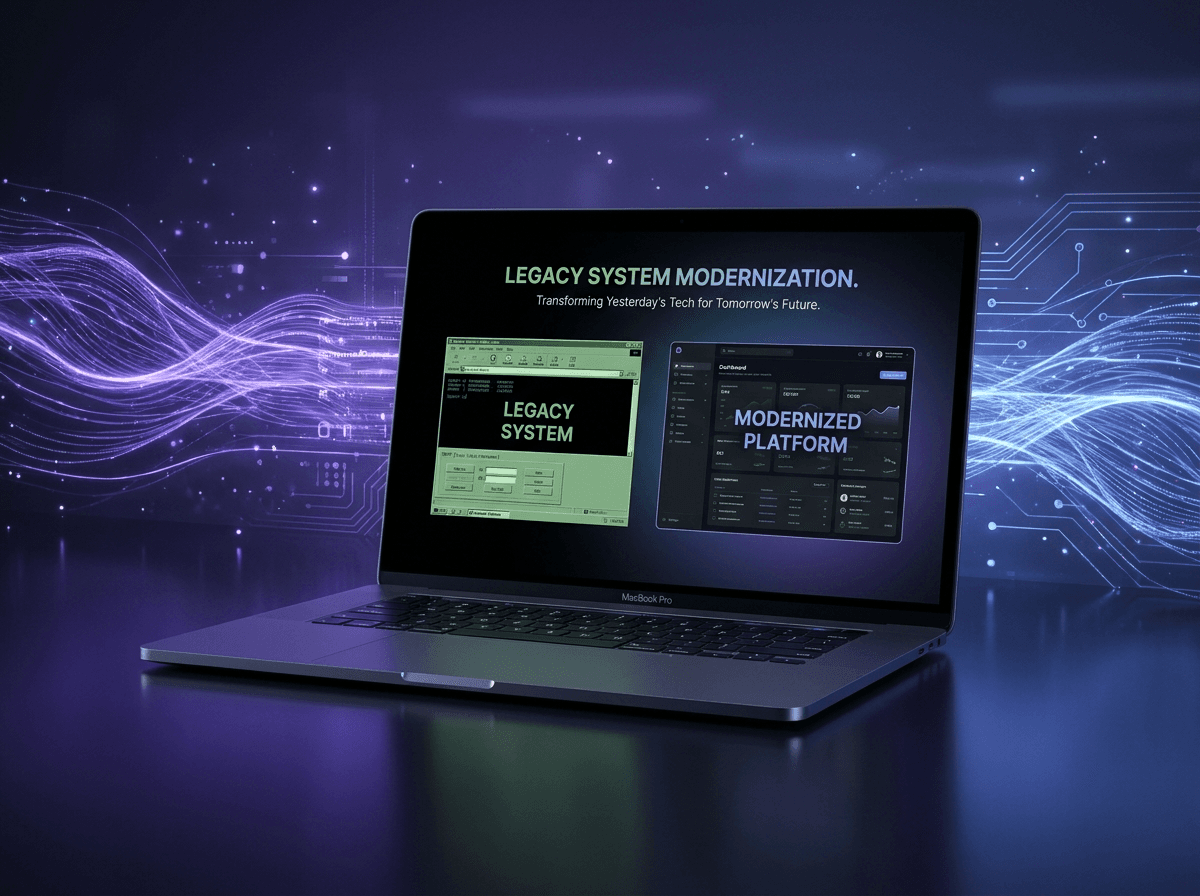 Legacy System ModernisationImprove or replace old software without risking the whole business.
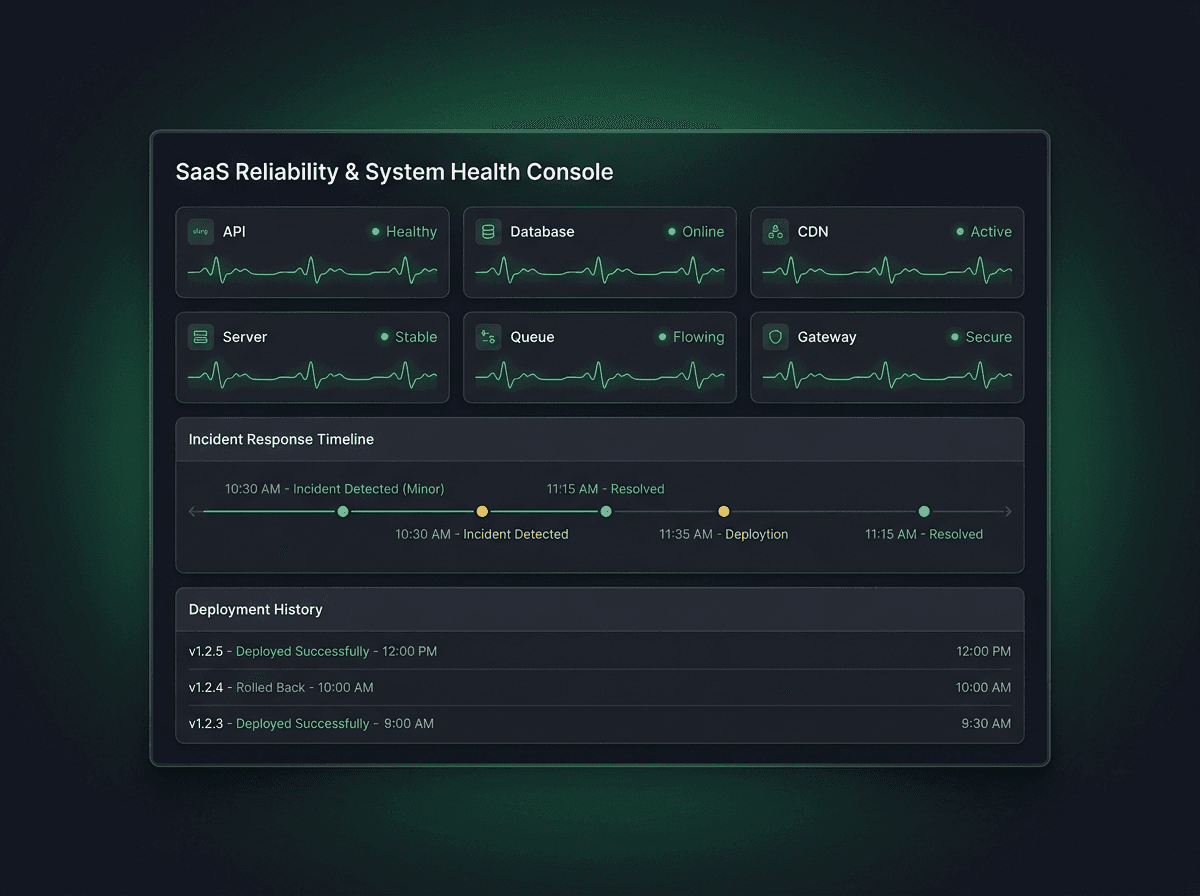 Software Maintenance and SupportKeep existing software healthy, supported and improving over time.