AI Development and Integration
AI built for one clear job
We build tools that can answer from your documents, sort routine requests or help with repeated office work. We set clear limits and keep a person involved where mistakes could matter.
Assistants, document search and automation, each built for one job and connected to your tools.
What’s included
One team from the first questionto a tool in daily use
We define the job, connect your information, test the result and keep watching it after release. You are not handed a tool and left to work out where it fits.
AI assistants and chatbots
Answer customer and staff questions from approved information. Unclear ones go to a person.
Document and knowledge search
Find the relevant answer in your files and show where it came from.
Workflow automation
Handle repeated steps that follow clear rules inside a process you already have.
Insights and predictions
Spot patterns in your own data. Results depend on the data you hold.
Adding AI to your tools
Bring AI into the apps and systems your team already works in.
Ongoing support
We watch accuracy and running costs, and adjust the tool as your needs change.
What we build
Assistants, document search and automation built for one clear job, connected to your tools.
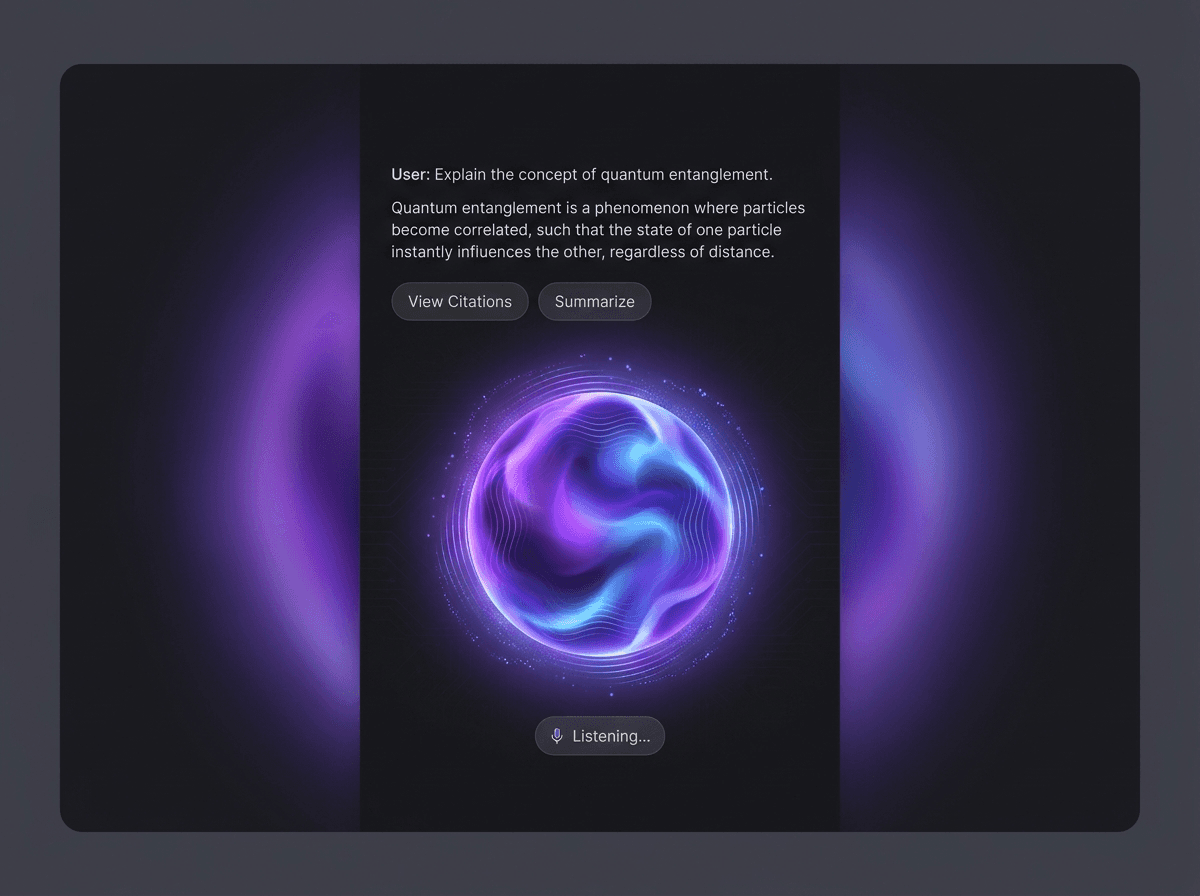 Answers from your files
Answers from your own files
Answers with the source shown
AI inside the tools you already use
No new logins to learn
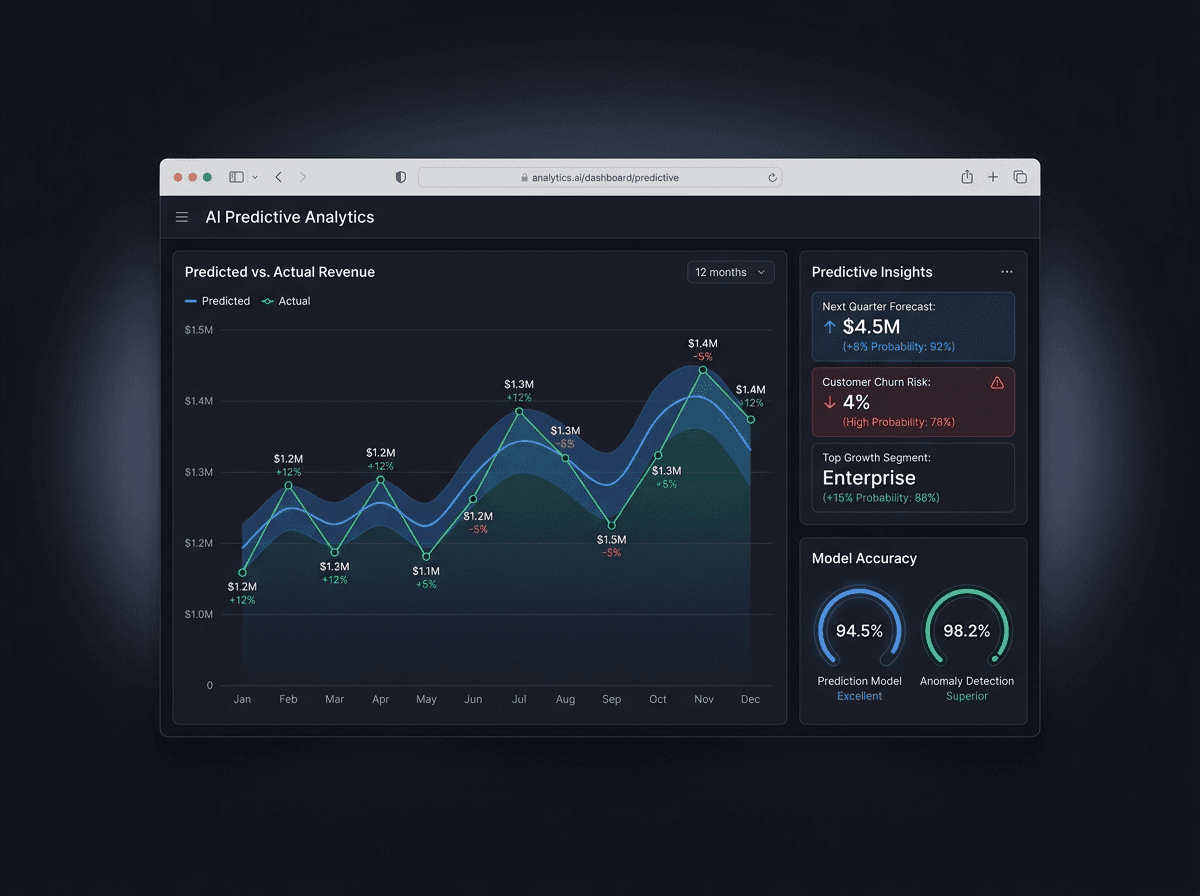 Trends and predictions
Assistants with a clear job
Does the job, then stops
Paperwork and calls, handled
Unsure items go to a person
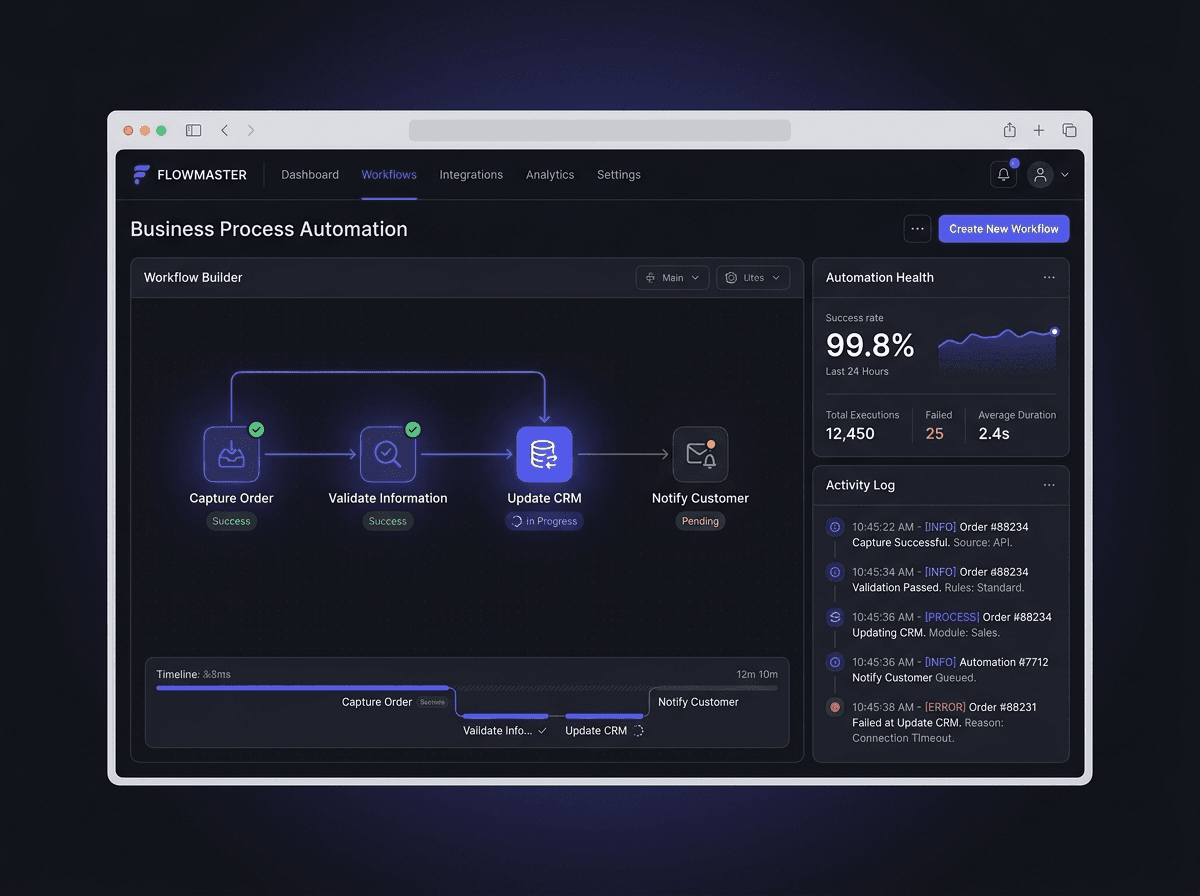 Automating the busywork
Costs kept in check
Usage limits set with you
Where it helps
Four jobs AI does well
AI is not right for every task. If simple software or a clear rule will work better, we will say so.
Find answers in approved company documents.
Draft replies for a person to check.
Sort and send requests to the right team.
Add useful assistance inside software you already use.
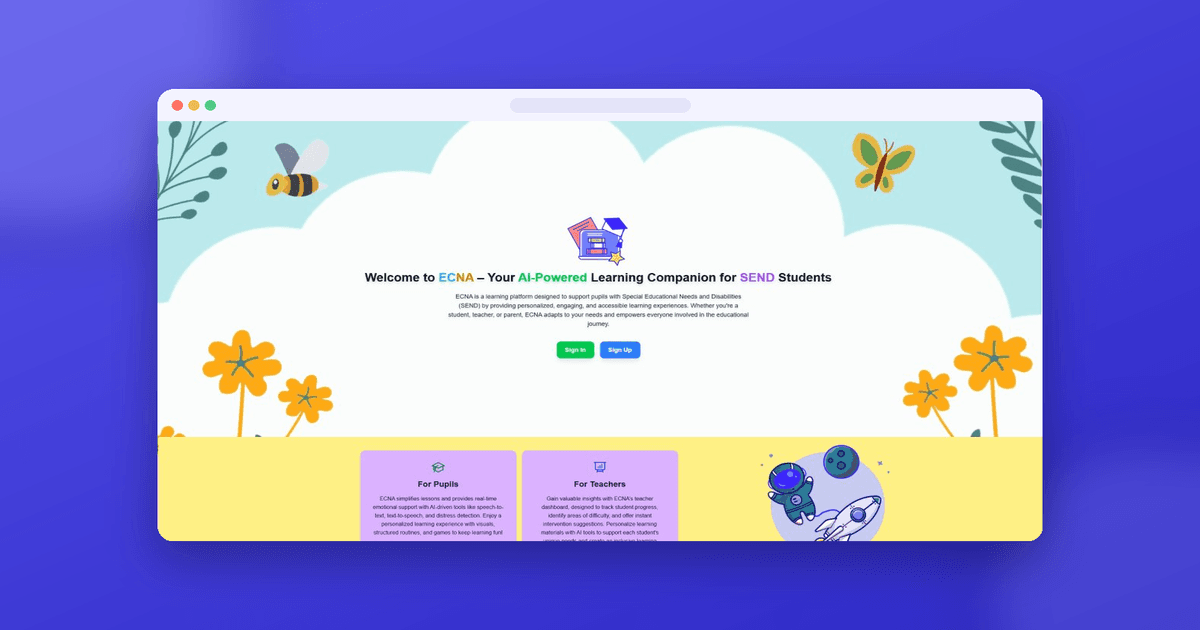
Thinking about a build like this for your business?
Tech stack
The tools we build it on.
We choose tools that fit the job and are easy to maintain.
- Python
- TypeScript
- OOpenAI
- Claude
- LangChain
- FastAPI
- PostgreSQL
- Ppgvector
- scikit-learn
- n8n
- PyTorch
Inside the work
A chatbot on the side, or AI inside the work
A public AI tool with your data pasted in can look like progress for a week. AI built into your own process, with your limits and a person checking what matters, keeps being used.
A generic chatbot answering from a script it was handed
AI that knows your business, your products and how your customers ask for things.
Copy-pasting between a public AI tool and the systems you use
AI built straight into the tools your team already works in, doing the task in place.
A one-size AI subscription pointed at everything
AI aimed at the specific jobs that take your team's time each week.
Sending your data through tools you do not control
AI set up with agreed data controls and your information kept out of AI training.
How we work
A clear path from first message to launch.
The same process every time, adapted where the work needs it. You see progress at every step.
- 01
Phase 01
First conversation
We look at the job you have in mind, whether AI is a sensible fit, and what a good result looks like for you.
- 02
Phase 02
Check your information
Good answers come from tidy information. We look at what you have, confirm what may be used, and note what needs cleaning up first.
- 03
Phase 03
Agree what right looks like
We write down real questions and their correct answers together, so the finished tool can be tested against them rather than assumed to work.
- 04
Phase 04
Build and test
We build it, then check it against those real questions, including the awkward ones, before anyone outside the project sees it.
- 05
Phase 05
Go live and support
With limits and review steps in place, we release it carefully, then keep watching accuracy and running costs afterwards.
Before you enquire
The questions business owners usually ask about AI.
If yours isn't here, just ask. A real person reads every message and replies within one business day.
Usually, and that is the better way to do it. We look at your information and systems, then build the AI into the app your team already opens. People use it when there is no second system to learn.
Yes. It runs in accounts you own, your information is kept out of AI training, and processing can stay in Australia where that matters. If a job cannot be done while keeping your data protected, we tell you before we build it.
We base answers on your own documents and show the source, and build it to say it does not know rather than guess. No system is perfect, which is why a person reviews the answers that matter.
Not always, but tidier information gives better answers. We look at what you already have, tell you plainly what is worth cleaning up first, and can often start with one focused area rather than everything at once.
We agree the work and price for each phase before it starts, and explain any extra cost before doing extra work. Running costs are kept steady with usage limits, and we show you what each part costs.
No, and checking everything would remove most of the benefit. We set the line by how much is at stake: everyday questions run on their own, and anything touching a customer's money or entitlements goes to a person first.
Ready when you are
Start with the task, not the model.
Tell us which task takes too much time or information is hard to find. We will help you decide whether AI is useful there.
Explore
The rest of what we do.
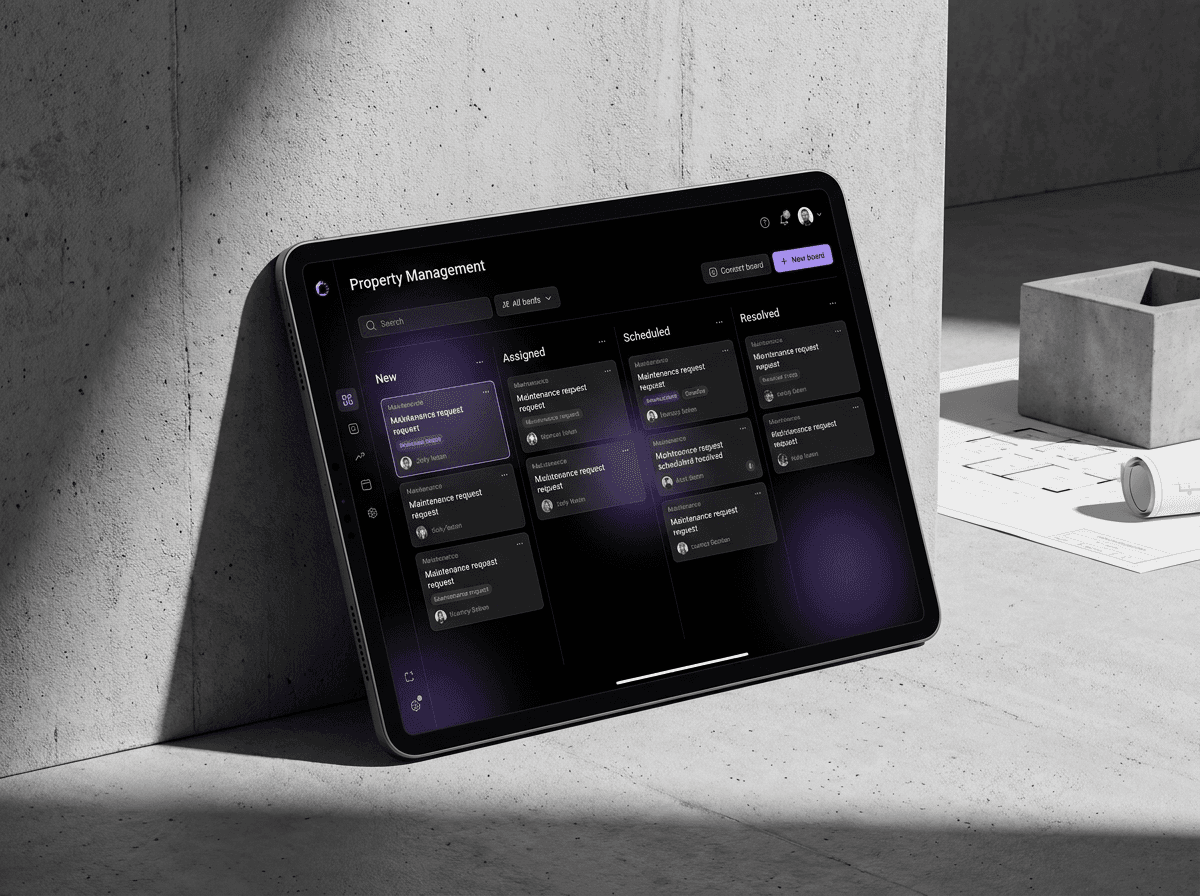 Custom Software DevelopmentSoftware built around a workflow that ready-made tools cannot fit.
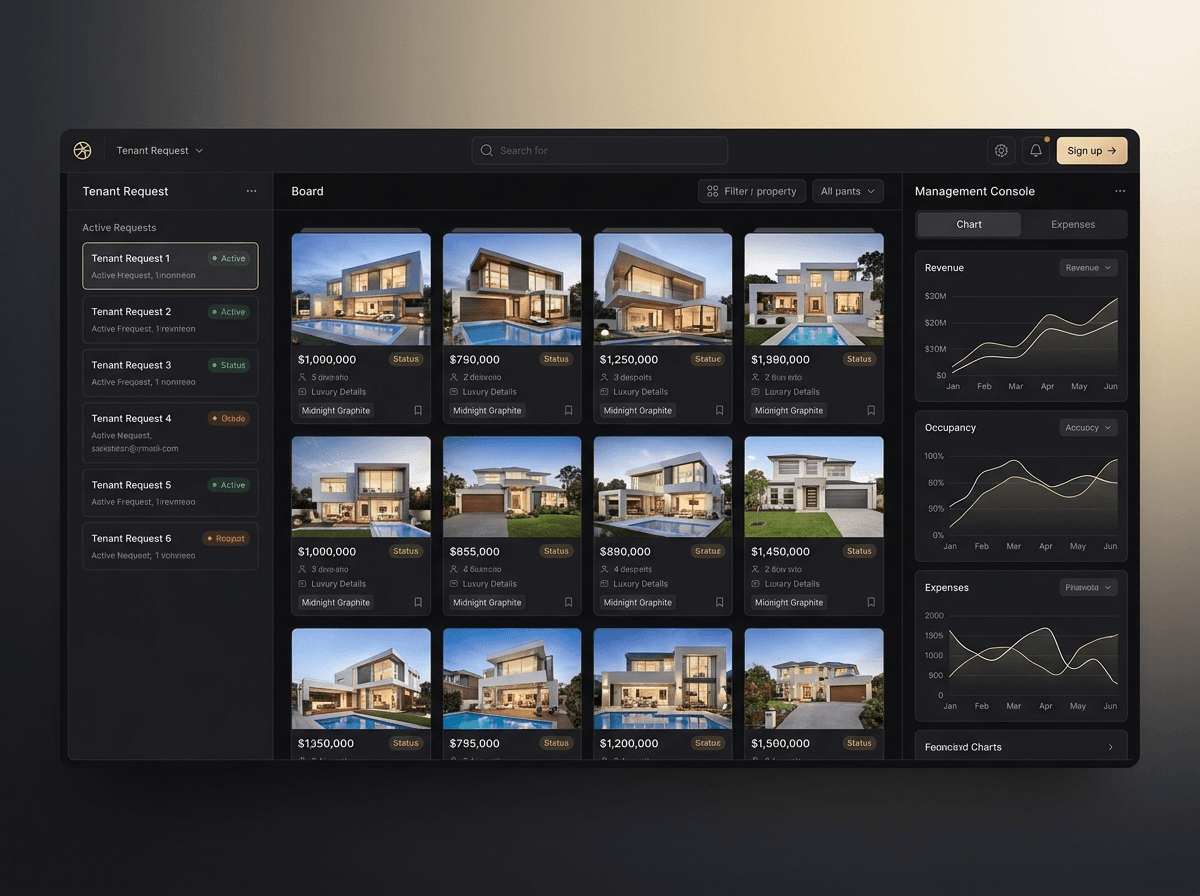 Web Application DevelopmentWebsites, shops, portals and browser-based tools for customers and teams.
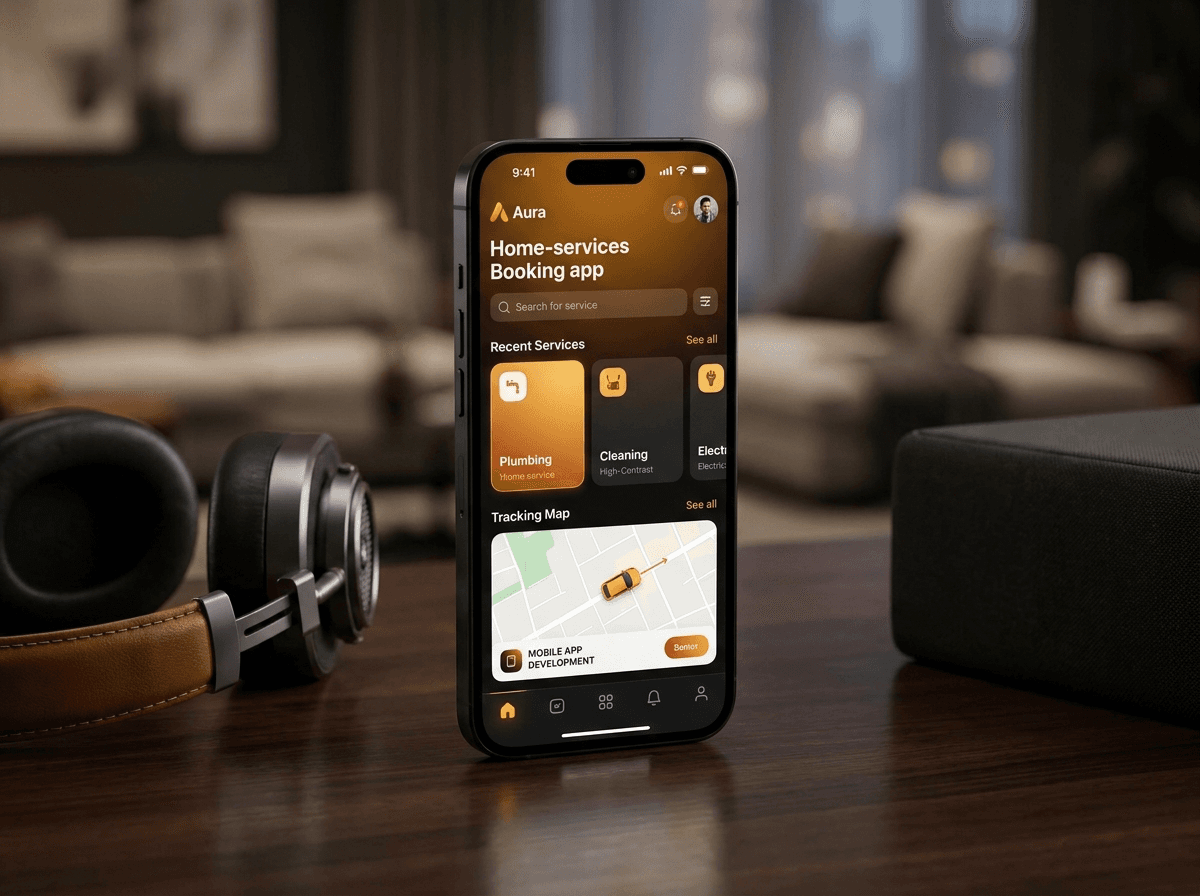 Mobile App DevelopmentiPhone and Android apps, including the system behind them.
 Product DesignClear user flows, screens and prototypes ready for development.
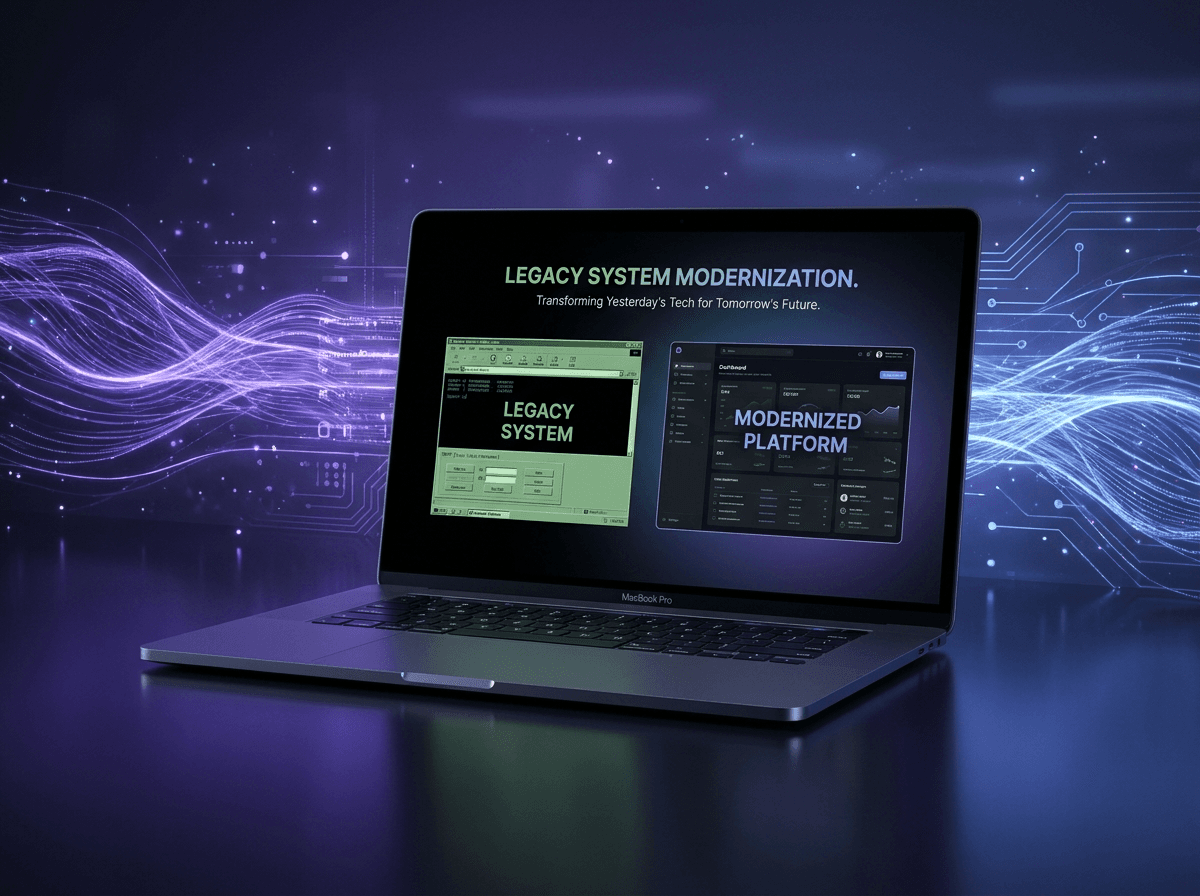 Legacy System ModernisationImprove or replace old software without risking the whole business.
 Software Maintenance and SupportKeep existing software healthy, supported and improving over time.