Why Payroll Is the Riskiest System to Leave on Legacy
If you run payroll for a large Australian workforce on a system that is more than a few years old, you are carrying a risk most boards do not see until it lands. The wage underpayment scandals that keep making headlines are not usually fraud. They are old software quietly misinterpreting modern awards, one shift loading at a time, across thousands of pay runs. We at XpansionIT modernise business systems for Australian companies, and payroll is the one where the compliance stakes are highest. This is not legal advice, and it is not a ranking of vendors we resell, we resell none. It is how to think about payroll platforms when you are modernising, and where the money and the risk really sit.
This is general information, not legal, tax, or industrial-relations advice. Get proper advice for your obligations.
What Payroll Platform Should a Large Australian Business Choose?
There is no single best platform. The right choice depends on your award complexity, your workforce size, and how many other systems payroll has to talk to. The real differentiator in 2026 is not basic reporting, which every platform does, it is automated award interpretation, because that is where underpayment risk lives. For a large or multi-entity business, integration and configuration matter more than the logo on the software.
The Problem Is Rarely the Feature List
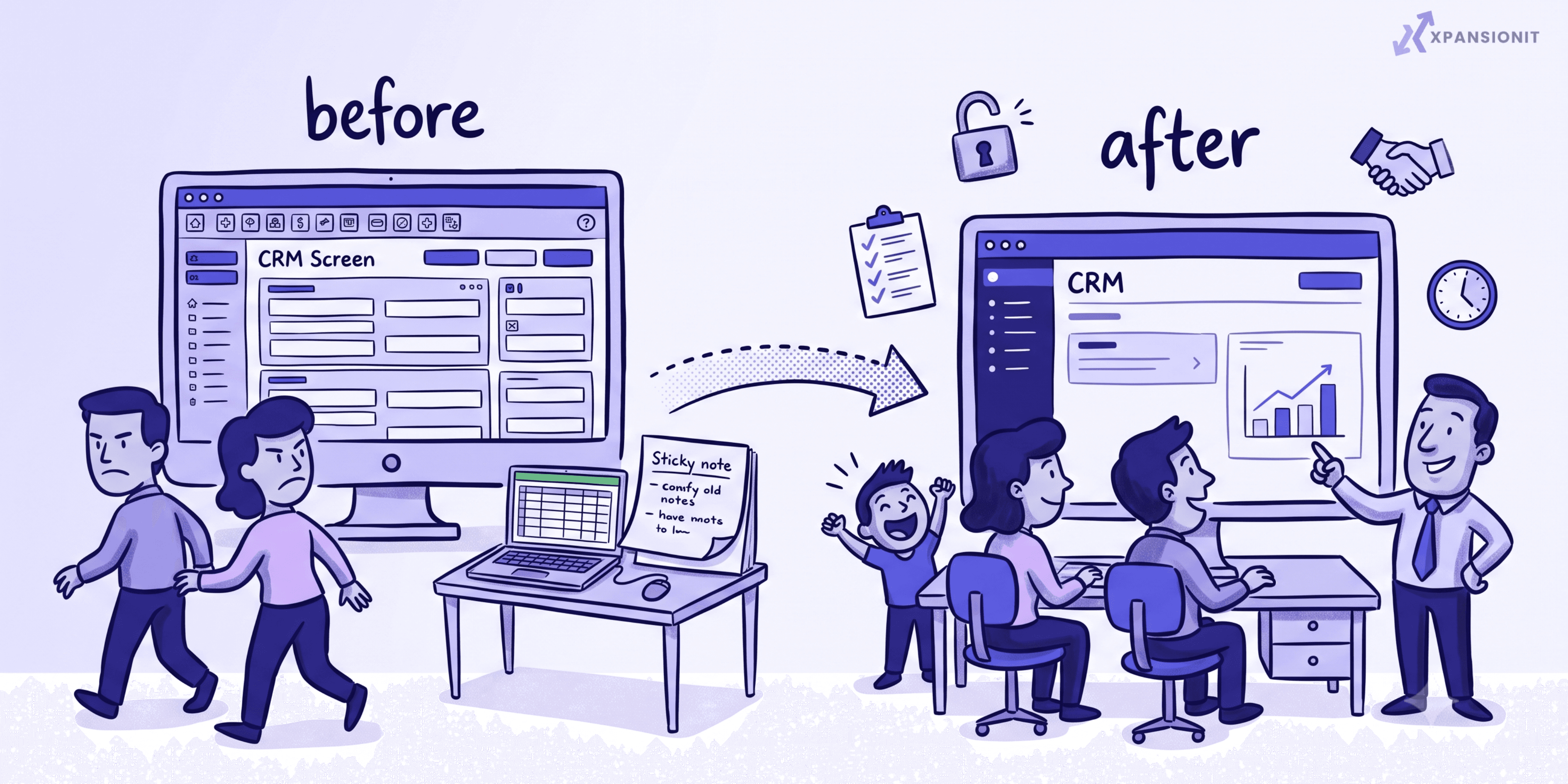
Most payroll comparison guides hand you a table of tick boxes. That is not where large businesses come unstuck. The named legacy systems that keep appearing in wage-compliance stories, platforms like Preceda, Chris21, Aurion, and PayGlobal, were not built for the complexity of today's awards and flexible work arrangements. They lean on manual workarounds, spreadsheets bolted to the side, and inconsistent configurations that hide errors until an audit, a union, or a regulator finds them.
So the question a large business should ask is not "which platform has the most features," it is "which platform, configured and integrated properly for our workforce, will interpret our awards correctly every single pay run." Those are very different questions, and the second one is the one that keeps you off the front page.
The One Capability That Matters Most: Award Interpretation
Australia has more than 120 modern awards, each dictating minimum rates, penalties, allowances, and loadings, and misinterpreting them is the single most expensive payroll error a business can make. This is the capability that separates a genuine payroll platform from an accounting tool with a payroll bolt-on. A strong platform applies awards, penalty rates, split shifts, higher duties, and overtime automatically. A weak one leaves that interpretation to whoever runs the pay, which is exactly how underpayments accumulate unnoticed.
For a large workforce spread across multiple awards, states, or enterprise agreements, this is not a nice-to-have, it is the entire point. When you evaluate platforms, this is the feature to stress-test with your own hardest cases, not the demo's tidy examples.
The Compliance Floor Everyone Has to Clear
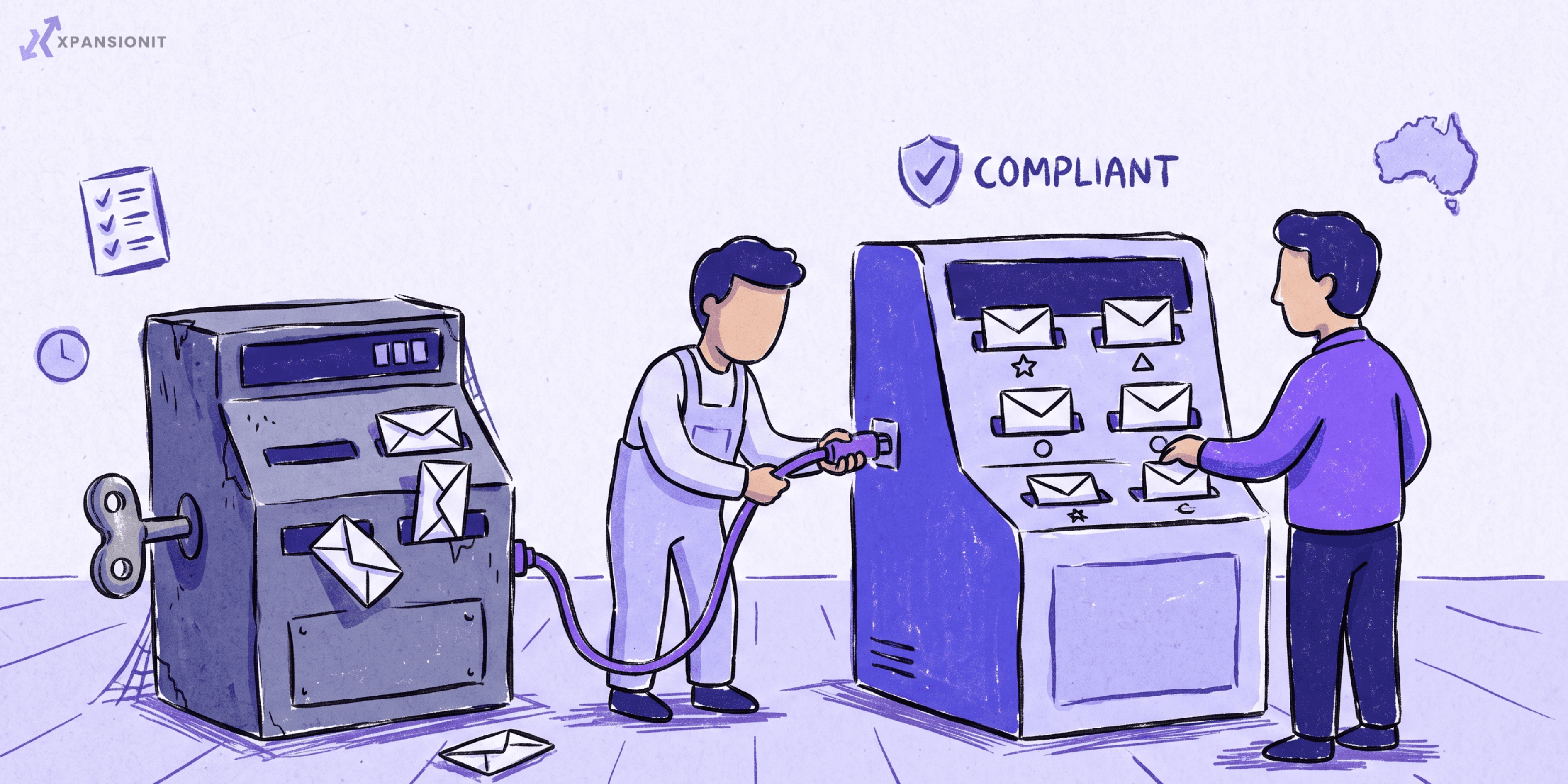
A few obligations are now non-negotiable for any platform you consider. Single Touch Payroll Phase 2 reporting, which disaggregates income into separate components rather than lumped totals, is standard rather than a differentiator, but confirm it is implemented correctly. Superannuation is at 12% in 2026, and Payday Super reforms are changing when contributions must be paid, so the platform needs to be ready for that shift rather than catching up to it. Payroll tax across multiple states brings different thresholds and grouping rules that trip up businesses operating across borders. None of these are optional, and a platform that treats any of them as a future roadmap item is not ready for a large business.
The Categories, Without the Brand Noise
Rather than name a winner, it helps to understand the shapes on the market. There are all-in-one accounting suites that include payroll, which suit smaller and simpler workforces but tend to have lighter award interpretation. There are dedicated employment platforms built around a pay-conditions engine, which exist specifically to automate complex award interpretation and are usually the stronger fit for award-heavy industries like hospitality, healthcare, and retail. And there are enterprise workforce systems for very large or highly complex operations, which offer depth at the cost of implementation effort.
For most large Australian businesses modernising off a legacy system, the honest answer is one of the dedicated employment platforms, chosen for how well its award engine handles your specific complexity, and then integrated properly with the rest of your stack. The choice between building your own and buying one of these is almost always buy, for the same reasons we set out in low-code versus custom software: payroll compliance is a moving target maintained by a vendor, and you do not want to own that.
Where the Real Work Is: Migration and Integration
Here is what the vendor demos gloss over, and where large modernisations succeed or fail. Choosing the platform is maybe a third of the job. The rest is getting your historical data across cleanly, configuring the award rules to match your real workforce rather than the defaults, and integrating payroll with the systems around it: your rostering and time-and-attendance, your finance and general ledger, your HR records, and your reporting. A payroll platform that cannot see accurate hours from your rostering system will produce confident, precise, wrong numbers.
This is the part that has nothing to do with the vendor and everything to do with the modernisation being done properly, and it is exactly the work we describe in legacy system modernisation. Do it in phases, run the old and new in parallel until you trust the new one, and treat data migration as its own carefully tested project rather than a switch you flip. A rushed payroll cutover is how a business ends up underpaying people while believing everything is fine.
Where AI Fits, and Where It Must Not
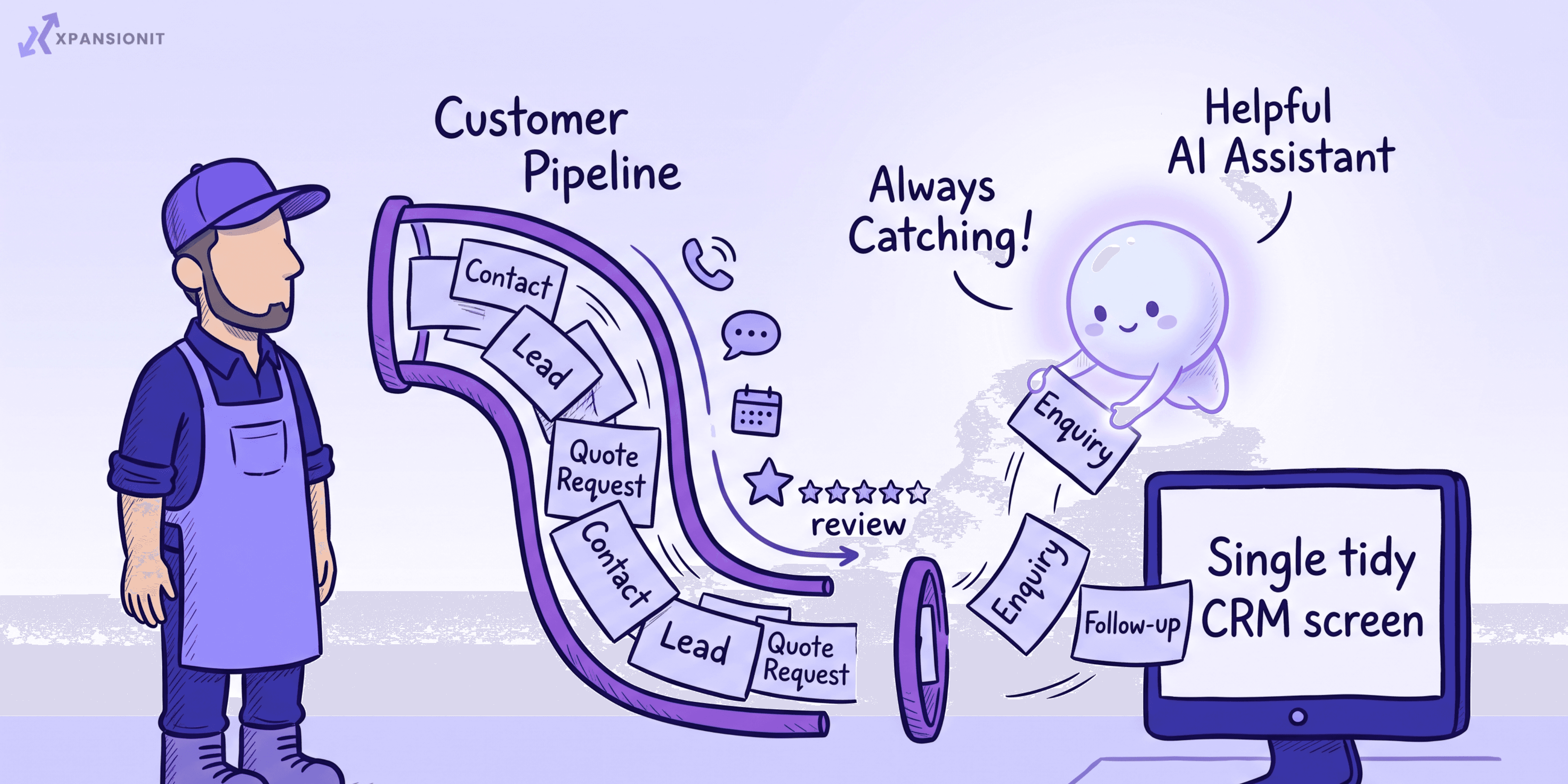
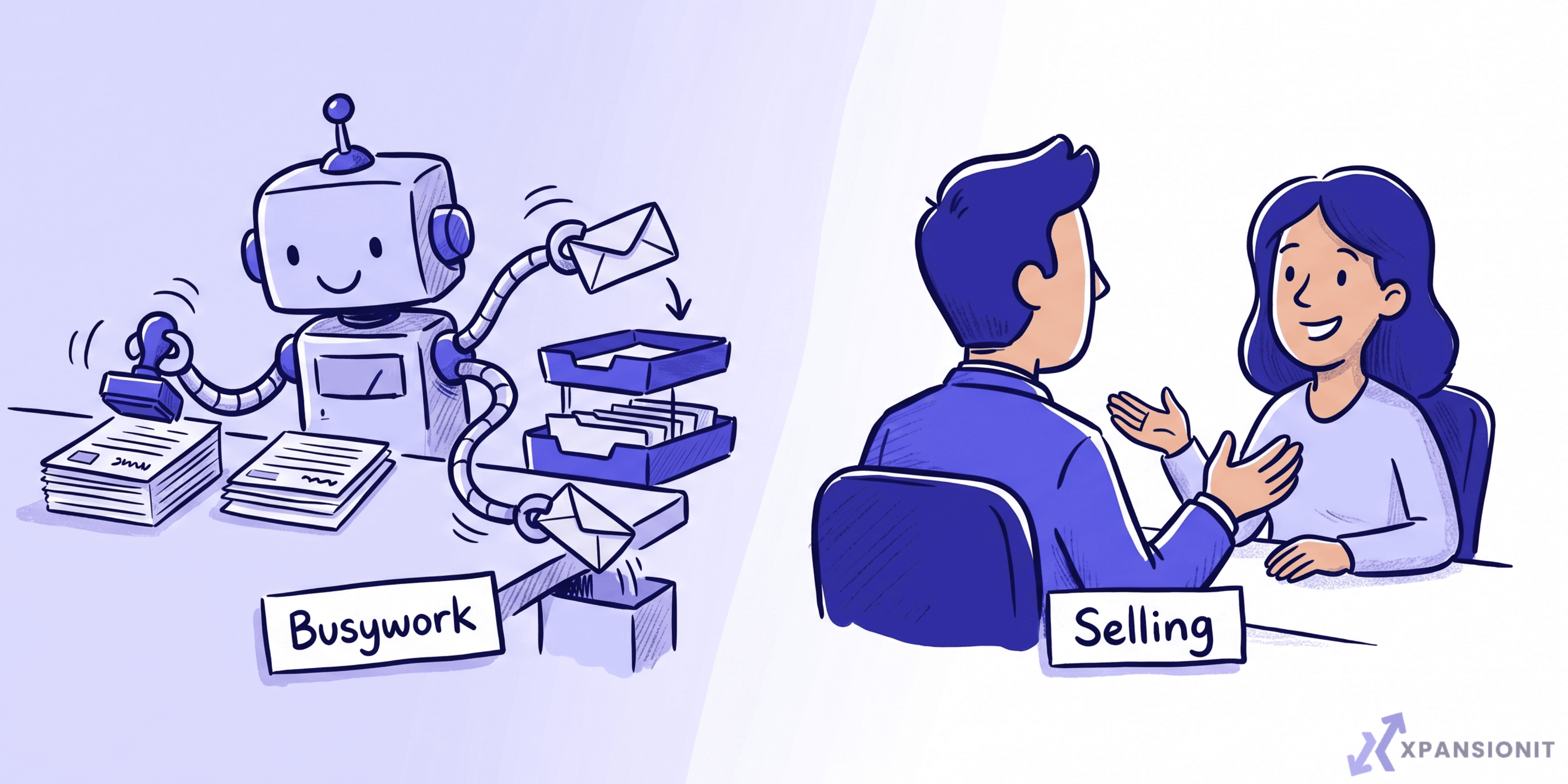
AI is creeping into payroll, and the safe uses are around the edges: flagging anomalies before a pay run, answering routine employee pay questions, and surfacing likely misconfigurations for a human to check. What AI must not do is quietly make the final call on someone's pay. Payroll is a domain where a confident wrong answer has legal consequences and real human cost, so the rule is the same one we apply everywhere, set out in responsible AI in Australia: AI assists, a person remains accountable for what is paid.
When You Should Not Rip and Replace
Since we do modernisation work, we could tell you to replace everything. Do not, if you do not have to. If your current platform interprets your awards correctly, clears STP Phase 2 and Payday Super, and your frustrations are about reporting or user experience rather than compliance, the right move may be integration and configuration rather than replacement. Full payroll replacement for a large workforce is a serious, months-long undertaking, and the trigger for it should be genuine compliance or capability risk, not a nicer interface. The audit that tells you which situation you are in is far cheaper than either mistake.
Why This Matters to Us
We are a small Adelaide team, and payroll is a system we treat with respect, because getting it wrong does not mean a slow page, it means real people underpaid and a business exposed to real penalties. We are not a payroll vendor and we have nothing to sell you off a shelf, which means we can be straight about the platform question and focus on the part we do own: making sure whatever you choose is migrated, configured, and integrated so it calculates the right number, every run, for every award. Slow and correct wins this one every time.
What Do the Numbers Say?
The pressure sits at the intersection of award complexity and ageing software, and the businesses most exposed are the large ones still running payroll on systems that predate today's rules.
`
© xpansionit.com
A Quick Word From Our Own Playbook
"Old payroll software does not fail loudly. It underpays quietly, correctly formatted, one award clause at a time."
Want to know more? Read our guide to legacy system modernisation in Australia.
Talk to Us
If you are modernising payroll for a large workforce and want a straight, vendor-neutral read on the platform choice and, more importantly, on getting the migration and award configuration right, we are happy to help. Call us on +61 420 883 221 or tell us about your setup, and we will tell you plainly whether you need a new platform or a better integration of the one you have.
Whether it is a full modernisation or wiring your payroll cleanly into rostering, finance, and HR, we work in phases so pay never misses a beat. Take a look at everything we do at XpansionIT, get to know who we are, or browse our services. If an ageing payroll system is the risk, start with our legacy system modernisation work or our custom software development service, and when you are ready, get in touch.