
We Take Over Stalled Software Projects
If your development vendor has stalled, disappeared, or left you with a half-finished build and a deadline that has not moved, you are in the situation we are built for. We take over existing software projects from another developer or agency: we start with a proper code review, stabilise what is there so it stops breaking, and then continue development so your project finally ships. You do not have to start again from scratch, and in most cases you should not. If that is where you are right now, the fastest next step is simple: tell us about your project, and we will assess it before you commit to anything.
The rest of this page explains how a takeover works, what it costs you to wait, and what to check, so you can move with confidence rather than panic.
Does This Sound Like You?
Takeover projects usually arrive in one of these states, and we have handled all of them.
The vendor went quiet. Your agency or freelancer stopped responding, slowed to a crawl, or priced their next phase out of reach, and now the project is stuck with no clear owner.
The build is half-finished. Someone got it most of the way, then the relationship ended. It is too far along to throw away and too incomplete to use.
The last developer left. One person built it, they have moved on, and the knowledge left with them. Nobody remaining can safely change it.
The code is fragile. It works, sort of, but every change breaks something else, and you have lost confidence that anyone understands it.
The deadline is still real. Whatever went wrong upstream, your customers, your board, or your launch date do not care. You still have to deliver.
If one of those is you, the good news is that a stalled project is almost always recoverable. The question is not whether it can be saved, it is which parts are worth keeping, and that is what an assessment tells us.
How a Takeover Works
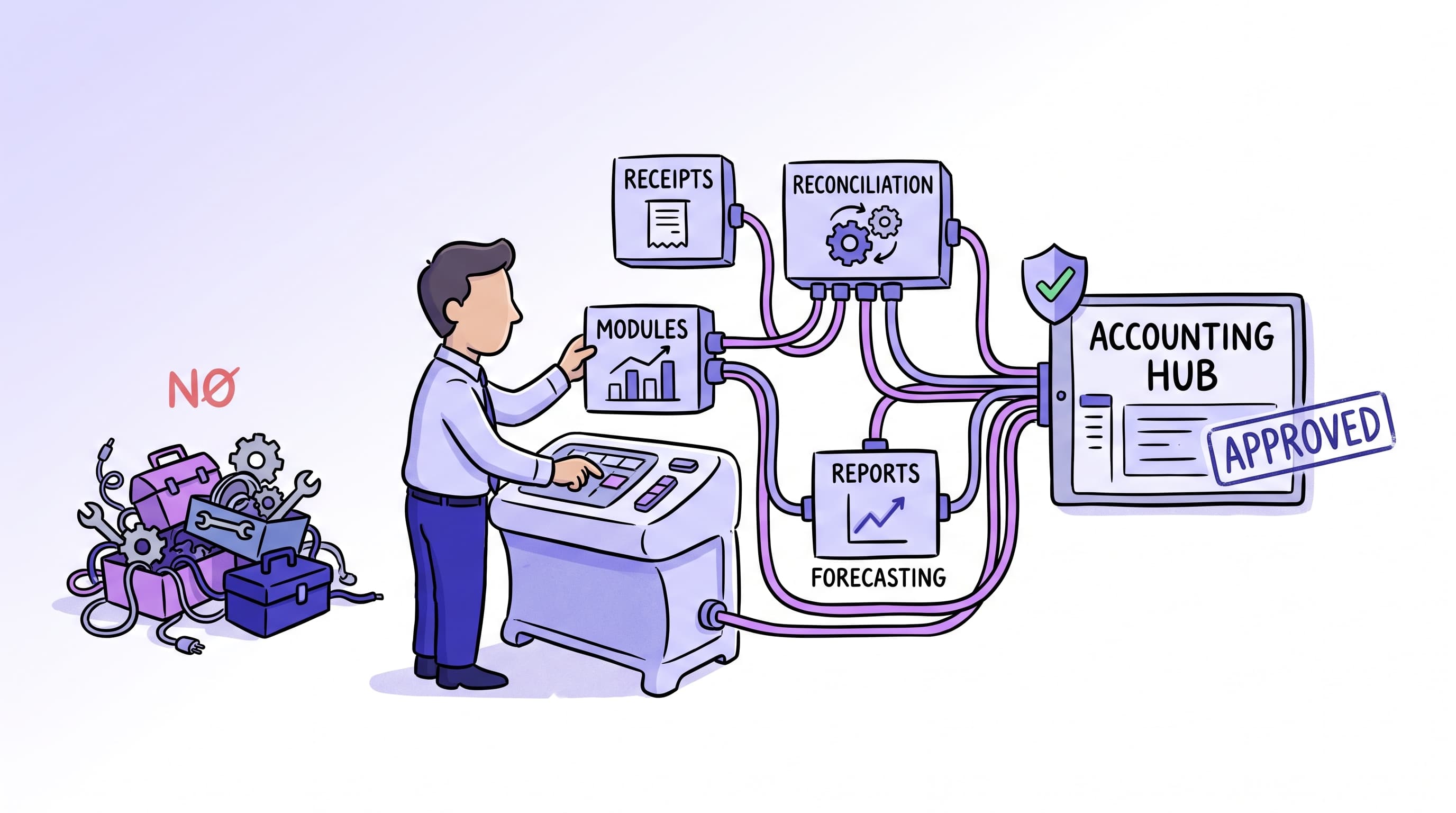
We keep the process deliberately calm and staged, because a rushed rescue makes things worse. It runs in three phases.
Phase one, the assessment. Before we quote a full price, we get access to the code and accounts and review what really exists: the code quality, the documentation, the security, how it is deployed, and how much of it is salvageable. This is the step that lets us give you an honest number instead of a guess. A developer who skips it and quotes blind is guessing, and you would pay for the guess later.
Phase two, stabilisation. We make the existing system safe to work on: fix what is broken, document the critical business logic, secure the obvious risks, and get it into a state where changes stop causing new failures. This can feel like paying for no new features, but it is what makes everything after it fast and safe.
Phase three, continuous development. Once it is stable, we carry on building toward your goal, shipping improvements in steady, testable steps, so the project moves again with a team that now understands it.
For the full technical checklist we run during phase one, our guide on taking over a software project from another developer walks through exactly what we look at.
The Cost of Waiting
Every week a stalled project sits untouched, it gets a little more expensive to rescue, for a few reasons. Access can get harder if the previous developer still controls the accounts and drifts further out of reach. The people who understood the code keep forgetting it, or moving on. And your own deadline pressure builds, which pushes you toward the rushed decisions that cause the most damage. None of this means panic, it means the sensible move is to get an assessment now, while the trail is warm, rather than after another month of hoping the original vendor comes back. Doing nothing is itself a decision, and usually the costliest one.
What We Check First
If you want to be ready before you even call, gather these. Having them makes your assessment faster and your quote sharper.
- Access to the source code, ideally with its full history, not just the latest files.
- Control of the accounts: hosting, domain, database, third-party services, and any app store logins.
- Every password, key, and credential the system needs to run.
- Any documentation, design files, or written specifications that exist.
- A way to reach the original developer, even for a short paid handover, if that is still possible.
- A plain description of what the software is meant to do and what is left to finish.
If some of these are missing, that is not a dealbreaker, it is common, and sorting out access and ownership is part of what we handle. But the more you have, the faster we can move.
Rescue, Not Rebuild
One thing worth saying plainly, because it protects you from a common and expensive mistake: taking over is usually far cheaper than starting again. Some developers instinctively want to rebuild everything, because working with someone else's code is harder for them, not because it is better for you. We start from the opposite assumption, that most of what exists can be saved, and we only recommend rebuilding the specific parts that cannot be trusted. Here is how the options compare.
| Situation the assessment finds | What we recommend | Why |
|---|---|---|
| Code is sound, just needs an owner | Continue development | Fastest, cheapest path |
| Works but fragile or undocumented | Stabilise, then continue | Makes future work safe |
| Some parts good, some beyond saving | Rescue the good, rebuild the worst | Keeps your existing value |
| Cannot be understood or trusted | Rebuild incrementally | Last resort, never big-bang |
Most projects land in the first three rows. A full rebuild is rare, and we will tell you plainly if that is where yours sits, but we will not reach for it just because it is easier for us.
Why Businesses Trust Us With This
We are a small Adelaide team, and being the second or third team on a project is a real part of what we do, which means we have learned to do it without drama. We slow down at the assessment, tell you the truth about what you have even when it is not what you hoped, and then move steadily toward shipping. We would rather give you a clear-eyed plan and a fair number than win the work with false confidence and disappoint you later. A good rescue is calm, staged, and honest, and that is exactly how we run them. When your project is live and moving again, keeping it that way is what our software maintenance and support work is for.
Talk to Us
If a software project has stalled on you, the sooner we look, the more options you have. Call us on +61 420 883 221 or tell us what happened with your project, and we will assess where it stands and tell you plainly whether it needs a new owner, a stabilisation phase, or something more, and what that would realistically involve.
Whether it is a half-finished build, an inherited codebase nobody understands, or a system that keeps breaking, our software maintenance and support and legacy system modernisation work is built for taking on software someone else started and getting it safely across the line. When you are ready, get in touch.