How to Scope a Software Project Before Requesting Quotes
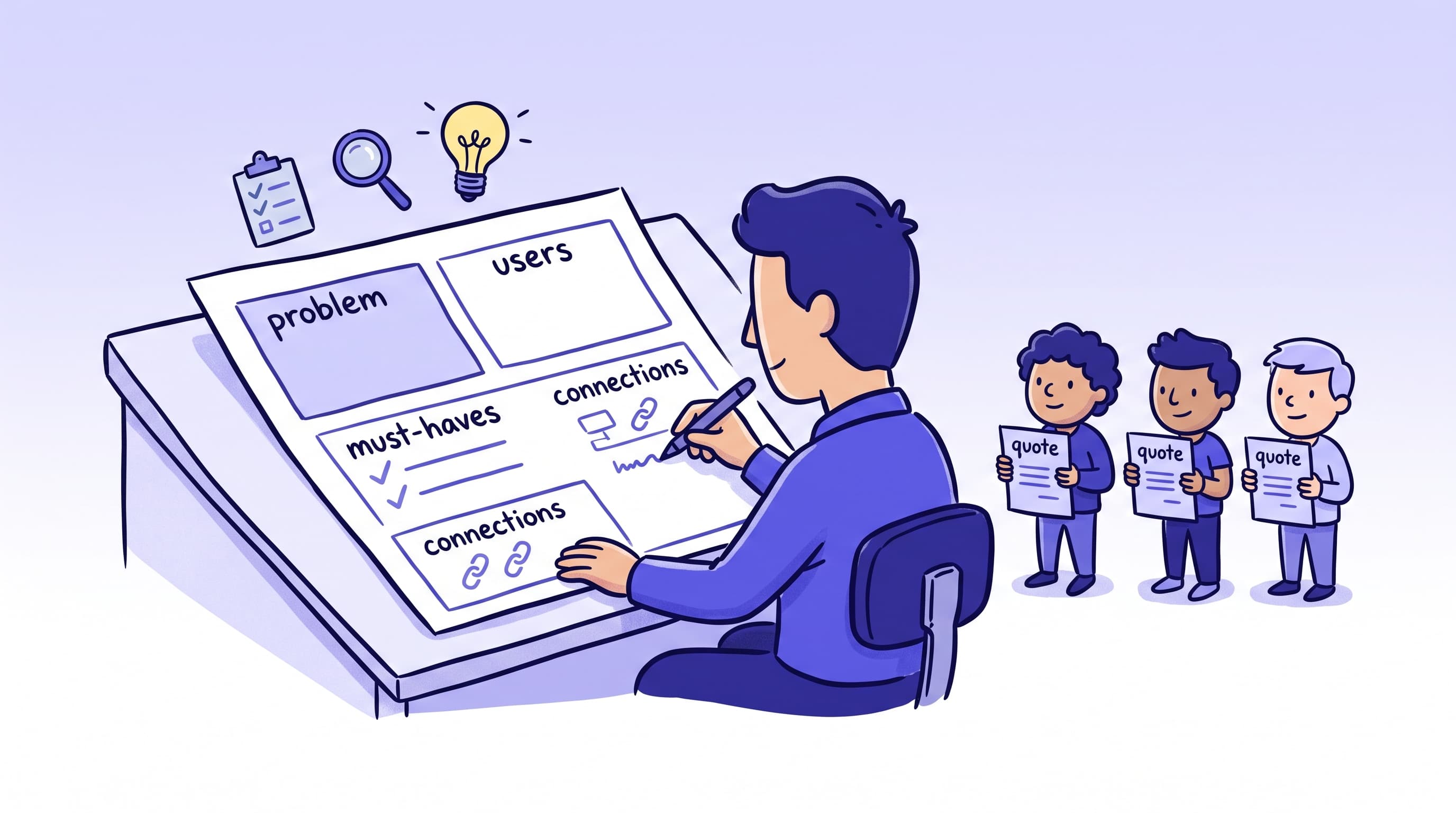
The short version: before you contact a single developer, write down the problem you are solving, who will use the software, the handful of things it absolutely must do, what it needs to connect to, and how you will know it worked. That one page turns a vague idea into something a developer can price, and it lets you compare quotes that are describing the same thing. We at XpansionIT quote custom projects every week, and the difference between a brief that gets a sharp, honest number and one that gets a padded guess is almost always how well the buyer scoped it first. Here is how to do that, even if you are not technical.
A Situation You Might Recognise
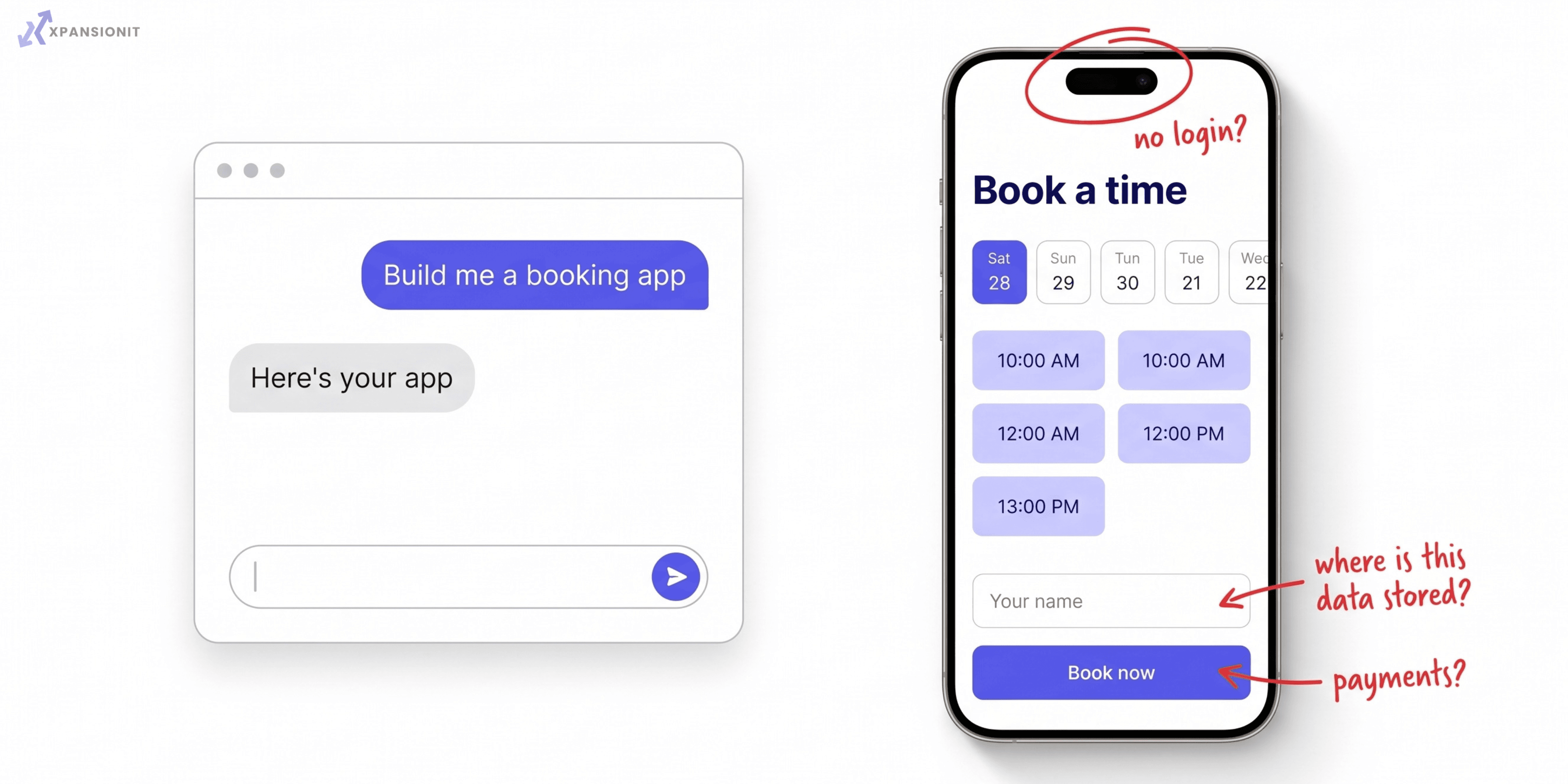
You have an idea for a piece of software, or a problem you know software could fix. So you email a few development companies, describe it in a paragraph or two, and ask "roughly what would this cost." The answers come back wildly different: one is a fraction of another, one is weeks and another is months, and the descriptions do not seem to be about the same project at all. Now you are more confused than when you started, and you cannot tell whether the cheap one is a bargain or a trap. This is not because developers are dishonest. It is because you handed each of them a different amount of guesswork, and they each filled the gaps differently. The fix is to remove the guesswork before you ask.
Why a Vague Brief Costs You
A quote is really a developer's estimate of everything you did not tell them plus the things you did. When your brief is thin, they have two choices: pad the number to cover the unknowns, or quote low to win the work and renegotiate later when the unknowns surface. Neither is good for you. A padded quote means you overpay. A low quote means you get the dreaded "that's out of scope" conversation halfway through, when you have no leverage left. A clear scope protects you from both, because it shrinks the guesswork and makes every quote comparable. It also does something quieter and more valuable: the act of writing it forces you to decide what you really need, which is the single biggest driver of cost in any software project.
What to Put in Your Scope
You do not need technical language. You need clarity on these things, in plain English.
The problem. One or two sentences on what is wrong today and what "fixed" looks like. Not the solution, the problem. "Our team re-enters the same order into three systems" is worth more than "we want an integration platform."
The users. Who will use this, and roughly how many. An internal tool for five staff and a customer-facing product for thousands are different projects even if they sound similar.
The must-haves. The handful of things the software absolutely has to do to be worth building at all. Keep this list short and honest. Everything you add here, you pay for.
The nice-to-haves. A separate list of things you would like eventually but could launch without. Separating these from the must-haves is what makes a phased, affordable build possible.
The connections. What it needs to talk to: your accounting system, your CRM, a payment provider, an existing database, a spreadsheet. Integrations are often where the real cost hides, so name them early.
The constraints. Anything non-negotiable: a deadline that matters, a budget ceiling, a rule that data must stay in Australia, a device it has to run on.
The definition of done. How you will know it worked. "Staff stop double-entering orders" or "customers can book without calling us." This becomes the yardstick everyone measures against.
The Pre-Quote Checklist
Run through this before you send anything to a developer. If you can tick most of it, your quotes will come back tight and comparable.
- You can state the core problem in two sentences without describing a solution.
- You know who the users are and roughly how many.
- You have a short must-have list, separate from a nice-to-have list.
- You have listed every system the software needs to connect to.
- You have written down any hard constraints: deadline, budget range, data location, devices.
- You have a plain-English definition of what success looks like.
- You have a rough sense of your budget range, even privately, so you can react sensibly to quotes.
- You are ready to give every developer the exact same brief, so you are comparing like for like.
Your Options for Getting to a Scope
Not everyone arrives at a clear scope the same way, and that is fine. Here are the honest routes.
Do it yourself. Write the one-pager above. For a straightforward project, this is often enough to get useful quotes. It costs nothing but your time.
Run a paid discovery. For anything complex or high-stakes, pay a developer for a short, defined discovery engagement that produces the scope as a deliverable you own. Yes, you pay for it, but you get a document you can take to anyone, and it usually saves far more than it costs by preventing a mis-scoped build.
Quote from a rough brief anyway. The default most people fall into. It is fast, but it produces the incomparable-quotes mess described above, and it front-loads risk onto the part of the project where you can least afford it.
Here is how those compare.
| Approach | Best when | Trade-off |
|---|---|---|
| Write it yourself | The project is fairly clear and contained | Depends on how well you know the problem |
| Paid discovery | The project is complex, novel, or high-stakes | Upfront cost, but you own a reusable scope |
| No real scope | You only want a ballpark, not a real quote | Quotes you cannot trust or compare |
For most businesses, the honest answer is the first for simple work and the second for anything serious. Our guide on the software development options in Australia covers the build routes those quotes will describe, and what custom software costs explains the drivers behind the numbers you get back.
What Can Go Wrong
A few scoping mistakes recur often enough to name.
The everything list. Treating every feature as a must-have, so the scope balloons and the quotes with it. The discipline of separating must-haves from nice-to-haves is what keeps a first version affordable. If everything is essential, nothing is.
The hidden integration. Forgetting to mention that the software has to sync with an existing system. Integrations are frequently the most expensive part, and a quote that did not know about one is not a real quote. Name every connection up front.
The solution disguised as a brief. Describing the software you imagine instead of the problem you have, which locks developers into your guess and stops them proposing a simpler, cheaper answer they can see and you cannot.
The moving target. Changing the brief between developers, so each is quoting a slightly different thing. Freeze the brief, send the same one to everyone, and compare the answers.
The silent budget. Refusing to share any budget range at all. You do not have to reveal a number, but having one in mind stops you wasting time on proposals that were never in reach.
Why This Matters to Us
We are a small Adelaide team, and we would far rather receive a clear brief than a vague one, even though vagueness lets a less scrupulous shop pad a number. A good scope means the number we give you is honest, the project runs the way we both expected, and nobody has an awkward conversation three months in. We are happy to help you write that scope before you go and get other quotes with it, because a well-scoped project is a better project no matter who ends up building it. Clarity at the start is the cheapest insurance in software.
Talk to Us
If you have an idea but are not sure how to turn it into something developers can price, we are happy to help you scope it, and you are free to take that scope to anyone you like. Call us on +61 420 883 221 or tell us about the problem you are trying to solve, and we will help you shape a clear brief before you request a single quote.
And when you are ready to see what a properly scoped build looks like, our custom software development work starts exactly here, with the problem, the users, and the must-haves, not with a guess. When you are ready, get in touch.